
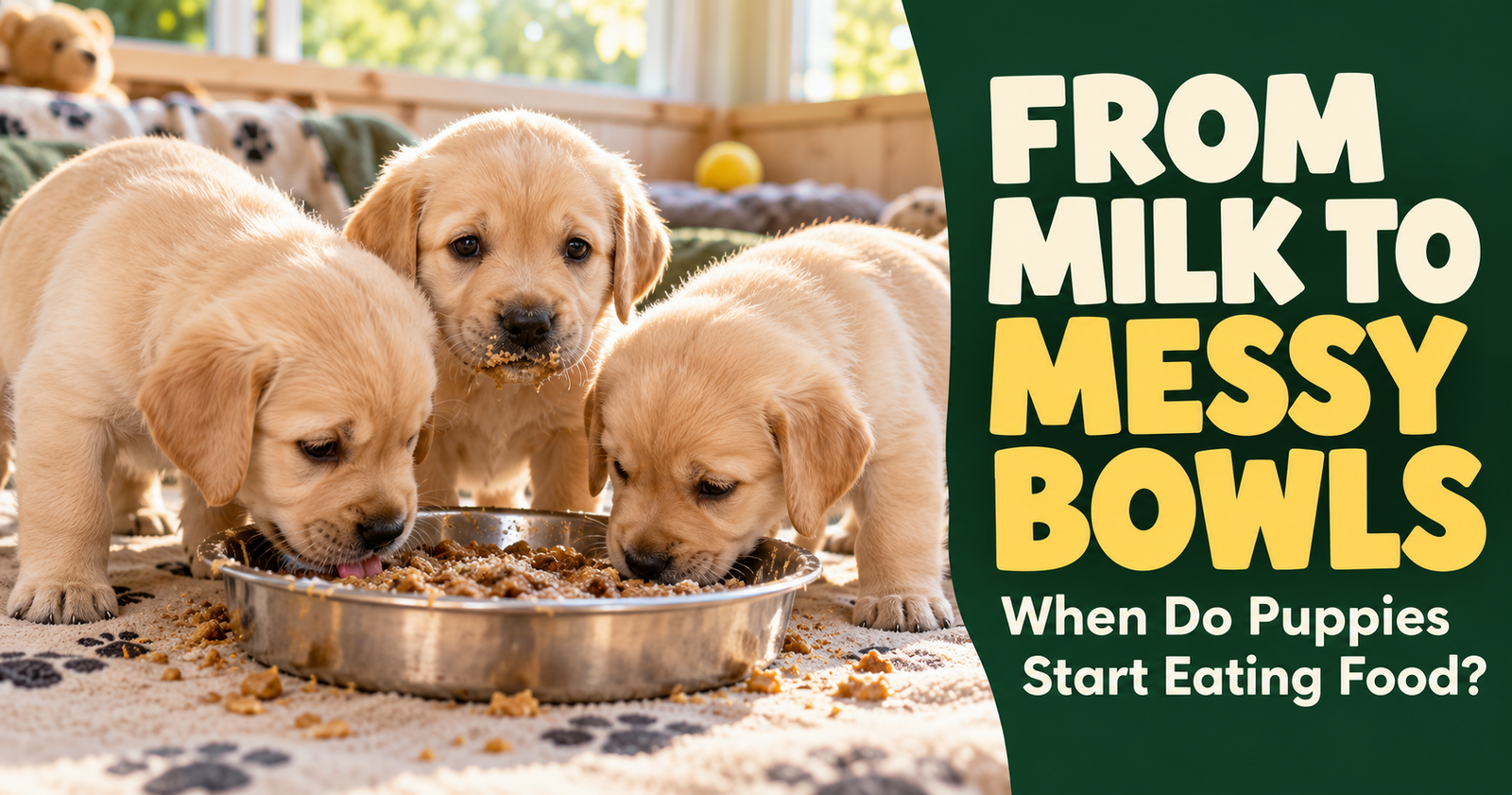
Puppies usually start trying soft puppy food around three to four weeks old, while continuing to nurse or receive puppy milk replacer. Their first meals should be easy to lap and swallow, with the texture gradually becoming thicker as they learn.
Starting food and being fully weaned are different milestones.
A puppy licking a little mush off a dish still needs reliable nutrition. You don’t stop milk just because it has discovered the food bowl.
I’m a licensed breeder with 14 dogs total and many years of experience. My advice is to watch what each puppy actually eats instead of treating a birthday on the calendar as proof that the whole litter is ready.
And yes, those first meals may involve more food on paws than in mouths.
Three to Four Weeks Is a Starting Point
Around this age, many puppies become ready to explore a shallow dish of softened food.
North Carolina State University’s veterinary hospital identifies three to four weeks as an appropriate time to begin introducing gruel, a soft mixture of puppy food and milk replacer.
That doesn’t mean every puppy starts confidently on the same day.
Look for the Ability to Participate
The puppy should be able to hold itself in a suitable position and begin lapping from a dish.
Interest helps, but interest alone isn’t enough.
A puppy mouthing a sibling’s food-covered paw hasn’t necessarily eaten a useful meal.
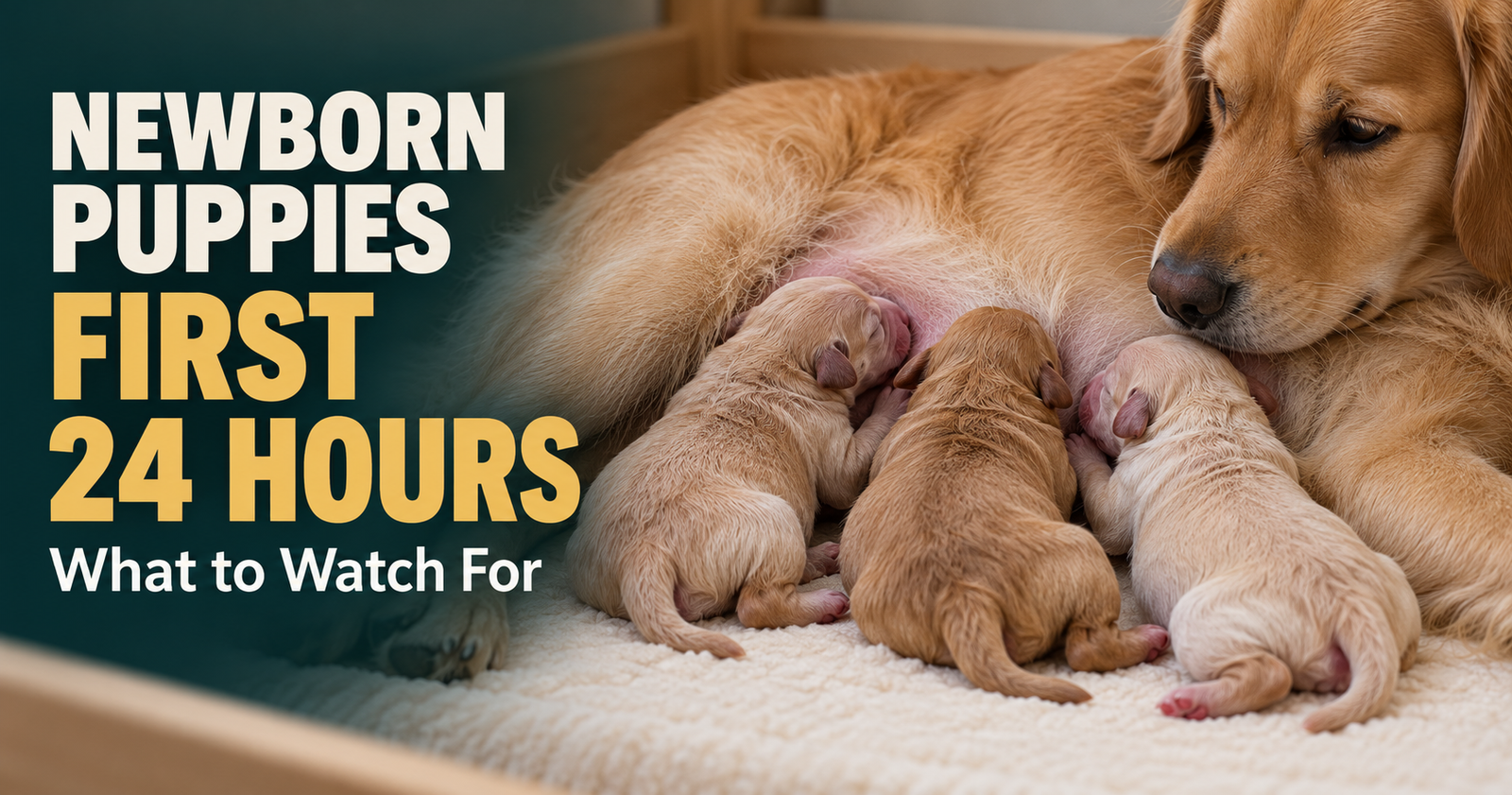
Don’t Rush a Struggling Newborn Onto Food
A younger puppy that isn’t nursing needs an appropriate milk-feeding plan and veterinary assessment.
Puppy mush isn’t a shortcut around a newborn feeding problem.
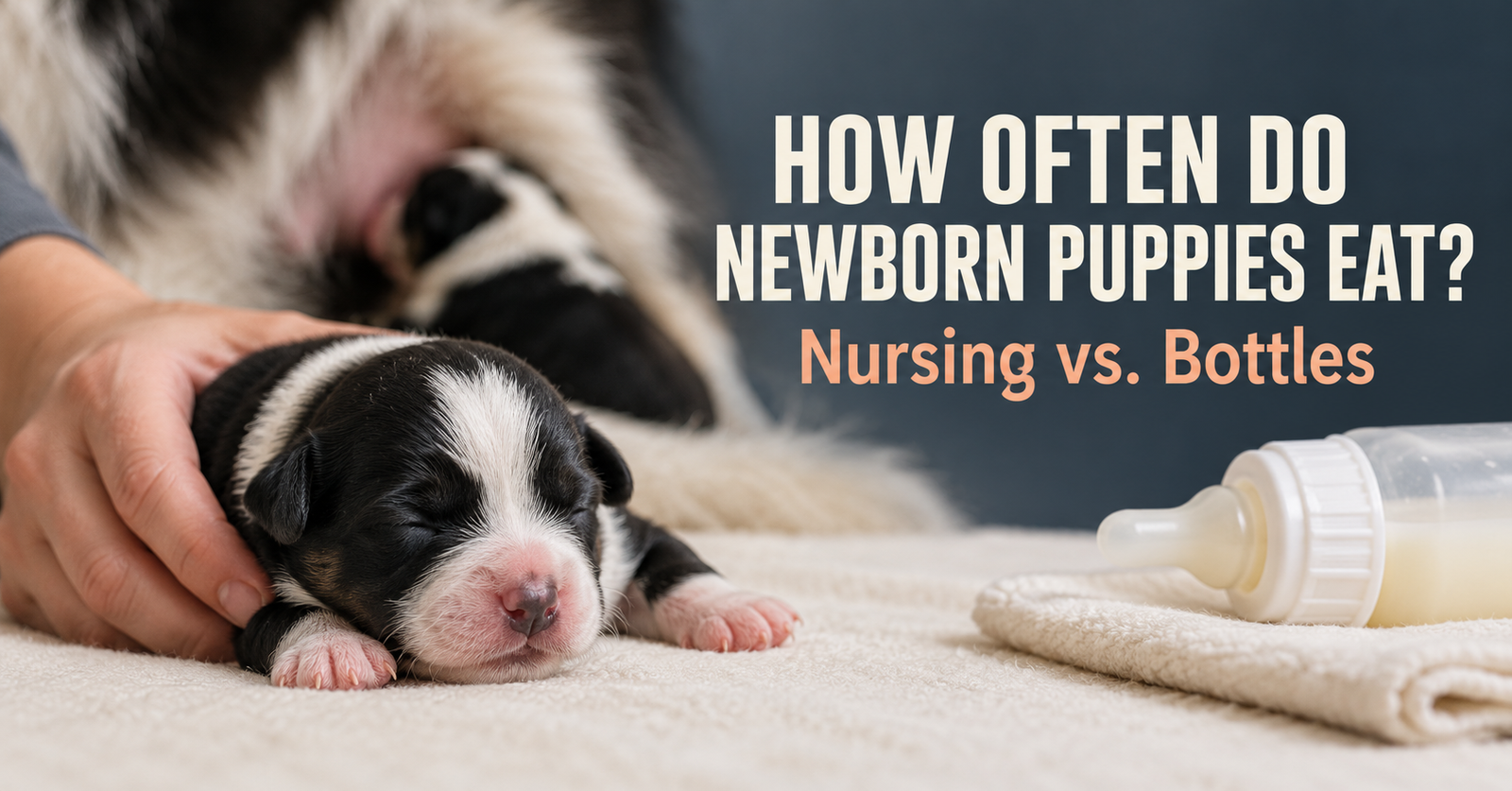
My guide to nursing and bottle-feeding newborn puppies covers those earlier feeding needs.
What Should Their First Food Be?
Start with a complete and balanced puppy food appropriate for growth.
That can be softened dry puppy food or a suitable canned puppy food mixed to an easy-to-lap consistency.
The point is to introduce the diet that will nourish them as they grow, rather than build their meals around treats or table scraps.
Use a Food Appropriate for Their Expected Size
Ask your veterinarian to confirm the formula, especially for large- and giant-breed puppies.
Their growth nutrition deserves particular attention.
The right food for a nursing mother and the right food for her growing large-breed puppies are not always the same formula.
Keep the First Ingredient List Simple
By that, I mean the meal you prepare.
You don’t need puppy food, cereal, eggs, yogurt, meat, and several supplements in the same bowl.
An appropriate complete puppy food softened with warm water, or combined with properly prepared puppy milk replacer, gives you a straightforward starting point. AKC describes softened puppy food and warm water as one practical weaning approach.
How to Make Puppy Mush
“Puppy mush” and “gruel” describe the soft mixture offered during early weaning.
You’re aiming for something puppies can lap, rather than chew through.
Start With a Small Amount
Prepare a modest portion of the chosen puppy food.
A giant bowl makes it harder to judge what the litter ate and creates more leftovers.
Soften It Thoroughly
For kibble, add warm water and allow enough time for the pieces to soften completely.
Mash or blend as needed so there aren’t hard centers hiding inside.
Canned puppy food may need only a little warm water to reach the right texture.
Add Milk Replacer Only as Directed
If you use puppy milk replacer, prepare it according to its instructions before combining it with food, unless the manufacturer or veterinarian directs otherwise.
Don’t guess at powder concentration.
Cow’s milk and goat’s milk are not equivalent to a complete canine milk replacer.
Check the Temperature
Offer the mixture comfortably warm, never hot.
Stir it and check for hot spots before bringing it to the puppies.
Adjust Texture Gradually
Begin with a soft, loose mixture that is easy to lap.
As puppies eat more confidently, reduce the added liquid gradually.
VCA describes gradually moving from gruel toward thicker puppy food as intake improves.
Use a Shallow Dish
A low, stable dish makes the first attempts easier.
Puppies shouldn’t have to climb over a tall rim or push their faces down into a deep bowl.
Give Everyone Room
One small dish can become crowded quickly.
Use enough feeding space that a stronger puppy cannot block the others from participating.
You may need more than one dish.
Supervise the Whole Meal
Stay nearby.
New eaters can step into the food, lose their footing, or become more interested in exploring than eating.
A puppy standing in the bowl is participating in the mess. It may not be participating in the meal yet.
Don’t Push Their Faces Into Food
You can offer a tiny taste at the lips with a clean finger and let the puppy investigate.
Don’t dunk its nose, smear food over its nostrils, or force a mouthful.
They need to learn to lap and swallow voluntarily.
Keep Milk Available During the Transition
This is where it’s easy to move too quickly.
Trying food is the beginning of weaning, not the end.
Nursing Puppies Still Need Mom
As solid-food intake increases, nursing generally decreases gradually.
Don’t abruptly remove their main source of nutrition because a few puppies seemed interested in a dish.
Bottle-Fed Puppies Still Need Their Feeding Plan
Orphaned puppies may learn to lap and eat on a different timetable.
Reduce milk replacer as meaningful food intake increases, following your veterinarian’s plan.
Don’t count a few licks as a replacement for a full feeding. VCA emphasizes a gradual transition from formula to puppy food.
Don’t Make Hunger Do All the Teaching
Offer food when puppies are awake and ready to participate.
A brief, supervised meal away from mom may help keep her from eating it first.
But don’t withhold necessary milk for long periods to force a reluctant or underweight puppy to try food.
How Often Should You Offer Puppy Food?
Several small opportunities work better than expecting a new eater to consume one large meal.
Around four small meals daily is a common weaning routine, adjusted for the litter and veterinary guidance.
Best Friends Animal Society recommends offering gruel four times daily while gradually thickening the mixture as puppies learn.
The First Attempts May Be Small
A puppy may lick a little, step away, and try more later.
That can be part of learning, provided milk intake remains adequate and the puppy is doing well.
Watch the Individual Eaters
The dish being empty doesn’t prove every puppy ate.
One or two enthusiastic puppies may account for much of what disappeared.
Notice which puppies actually lap and swallow, not just which ones arrive at the bowl.
Keep Portions Connected to the Food’s Calories
The amount needed depends on the puppy’s size, age, food, and remaining milk intake.
A cup of thin mush and a cup of mostly solid food don’t provide the same nutrition.
Use the food’s feeding guidance and your veterinarian’s advice rather than a universal scoop size.
Expect a Mess, but Clean Them Up Gently
Food on faces and feet is common during early attempts.
That doesn’t mean you should leave puppies coated in it.
Use a Warm, Damp Cloth
Gently remove food from the face, paws, and coat.
Keep water out of the nose and avoid chilling the puppy during cleanup.
Dry it afterward.
Change Wet Bedding
A litter walking through mush can leave damp patches in its resting area.
Keep food preparation and feeding surfaces clean, and replace wet bedding.
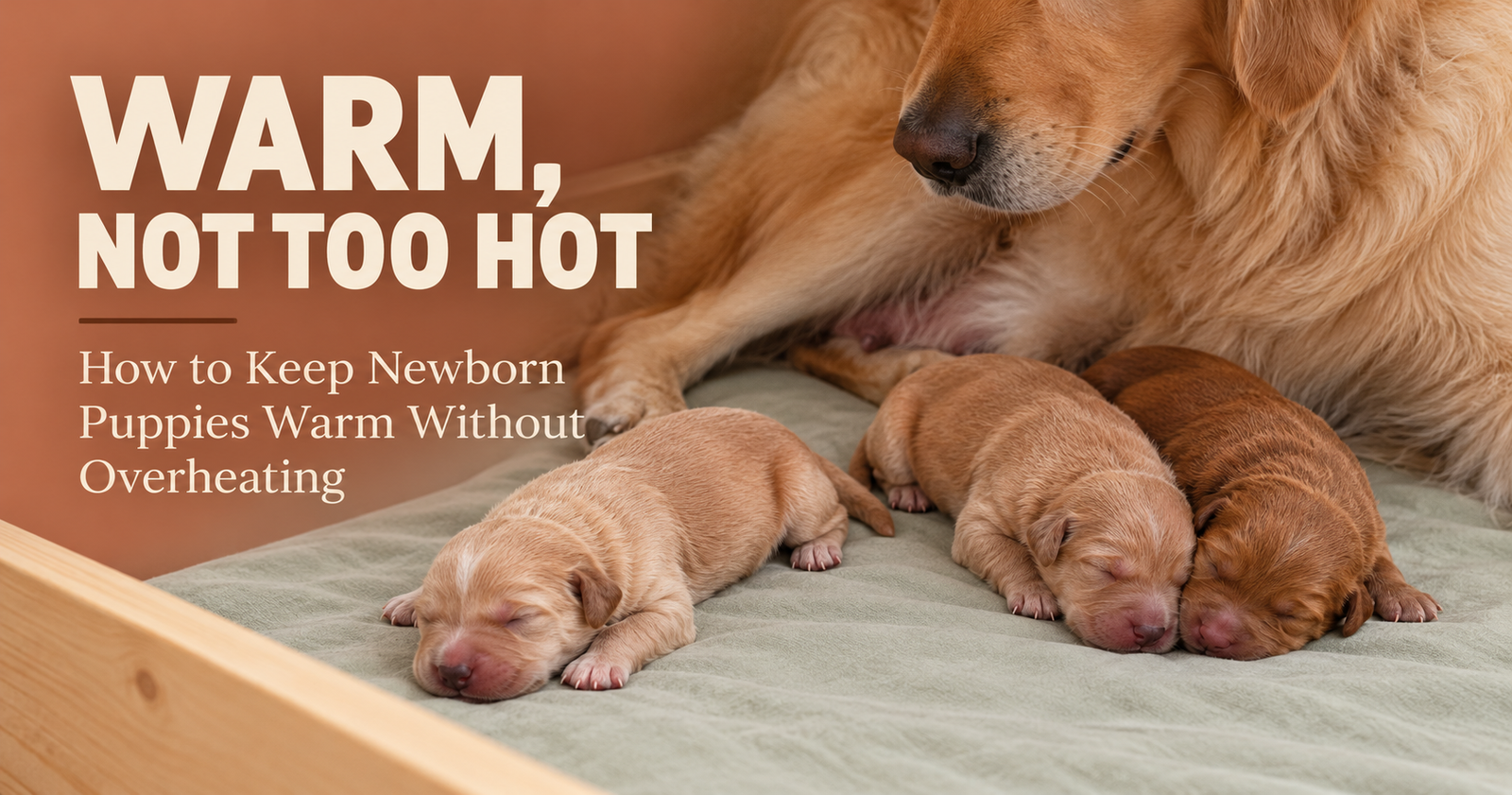
From my experience, warmth still matters throughout care. Older puppies learning to eat should not be left damp after a messy meal.
Remove Leftovers
Don’t leave softened food sitting around in a warm room between meals.
Follow the food and milk replacer’s handling instructions.
Wash dishes and prepare fresh portions as needed.
Offer Drinking Water as They Learn
When puppies begin eating food, provide access to fresh water in an age-appropriate setup.
Use a shallow, stable dish and supervise early attempts.
Avoid deep containers that puppies could climb or fall into. Best Friends recommends a small, tip-resistant water dish during this stage.
Water Doesn’t Replace Milk for a Newborn
Introducing drinking water during weaning is different from giving plain water instead of milk to a very young puppy.
If a puppy is too young or unable to eat appropriately, it still needs its proper milk-feeding plan.
Keep the Water Clean
Paws and food will find their way into it.
Check it regularly rather than assuming a bowl set out in the morning stays suitable all day.
Keep Watching Their Weights
The move to food should support growth.
A puppy seeming enthusiastic at the dish isn’t enough if its weight stops progressing.
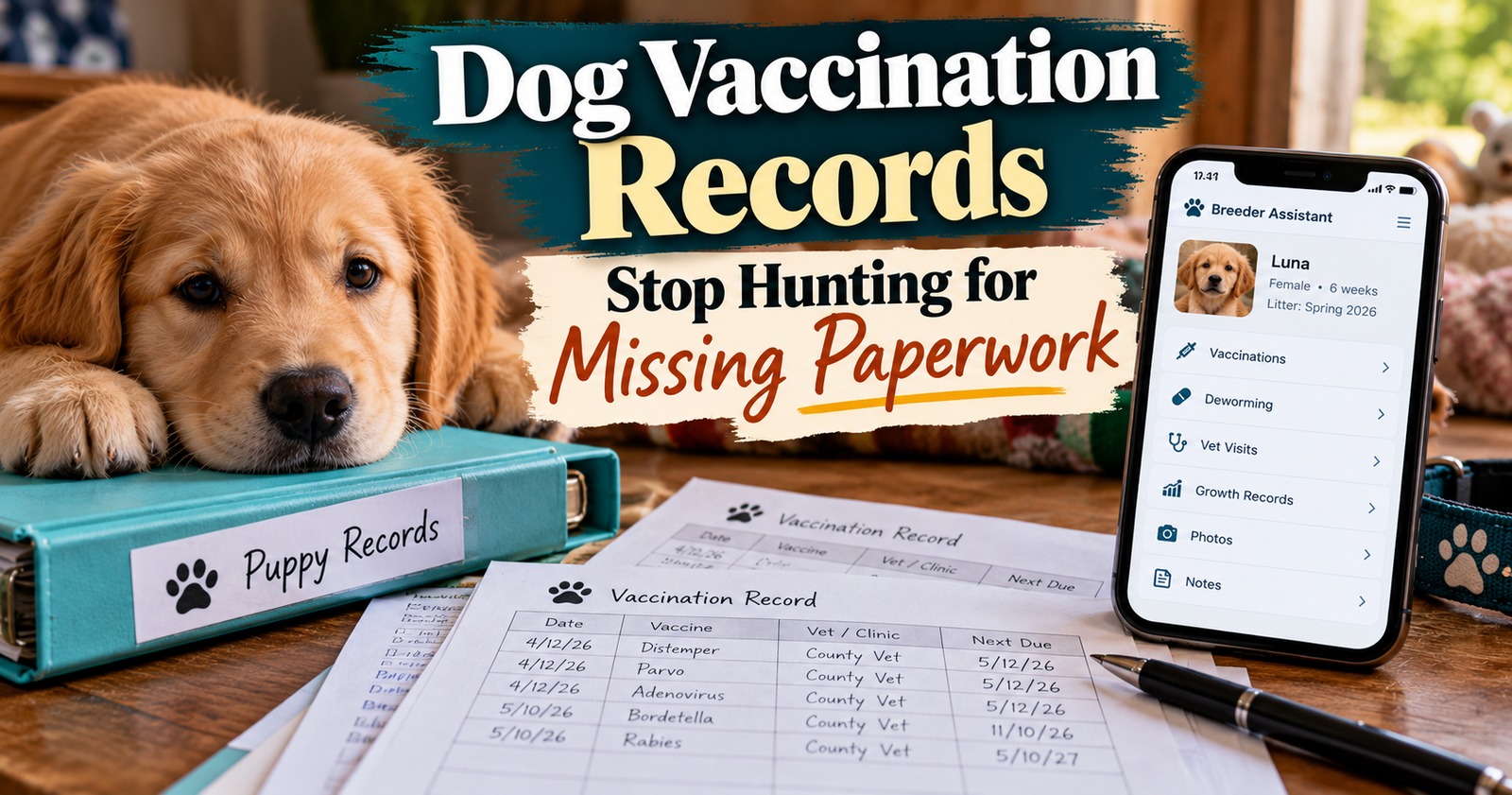
Keep Your Existing Record Going
Use the same puppy identification, scale, and units.
Note when food was introduced and whether the puppy is eating meaningful amounts.
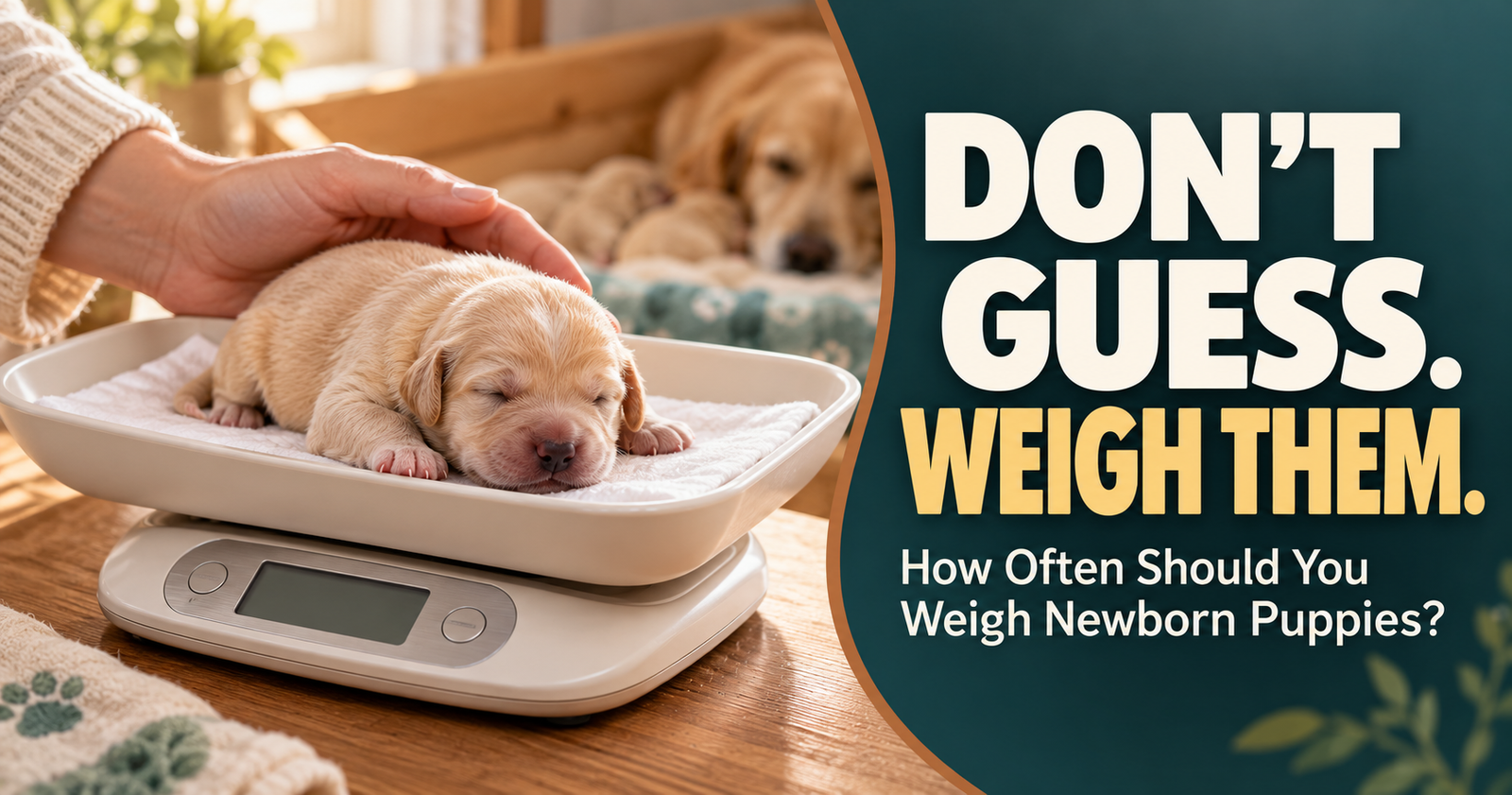
My guide to weighing newborn puppies explains how to make measurements useful rather than confusing.
Don’t Ignore a Puppy Falling Behind
Poor intake, weight loss, weakness, vomiting, or diarrhea needs veterinary advice.
Don’t assume every setback is simply “the food change.”
A puppy may need an adjustment to the feeding plan or an examination.
What if One Puppy Won’t Try the Food?
First, look at its age and overall condition.
A comfortable puppy nursing well and gaining is a different situation from one refusing both milk and food.
Try a Quieter Opportunity
The puppy may do better without littermates crowding it.
Offer a small portion at a calm moment and give it time to investigate.
Check the Texture and Temperature
Hard pieces or an awkwardly thick mixture may make the first attempts difficult.
Make sure it is soft and comfortably warm.
Don’t Keep Changing Everything
Switching foods repeatedly and adding new ingredients makes it harder to identify what helped or caused an upset.
Keep the approach consistent and ask for advice if the puppy isn’t progressing.
Get Help if Milk Intake Is Also Poor
A puppy not getting enough nutrition needs attention.
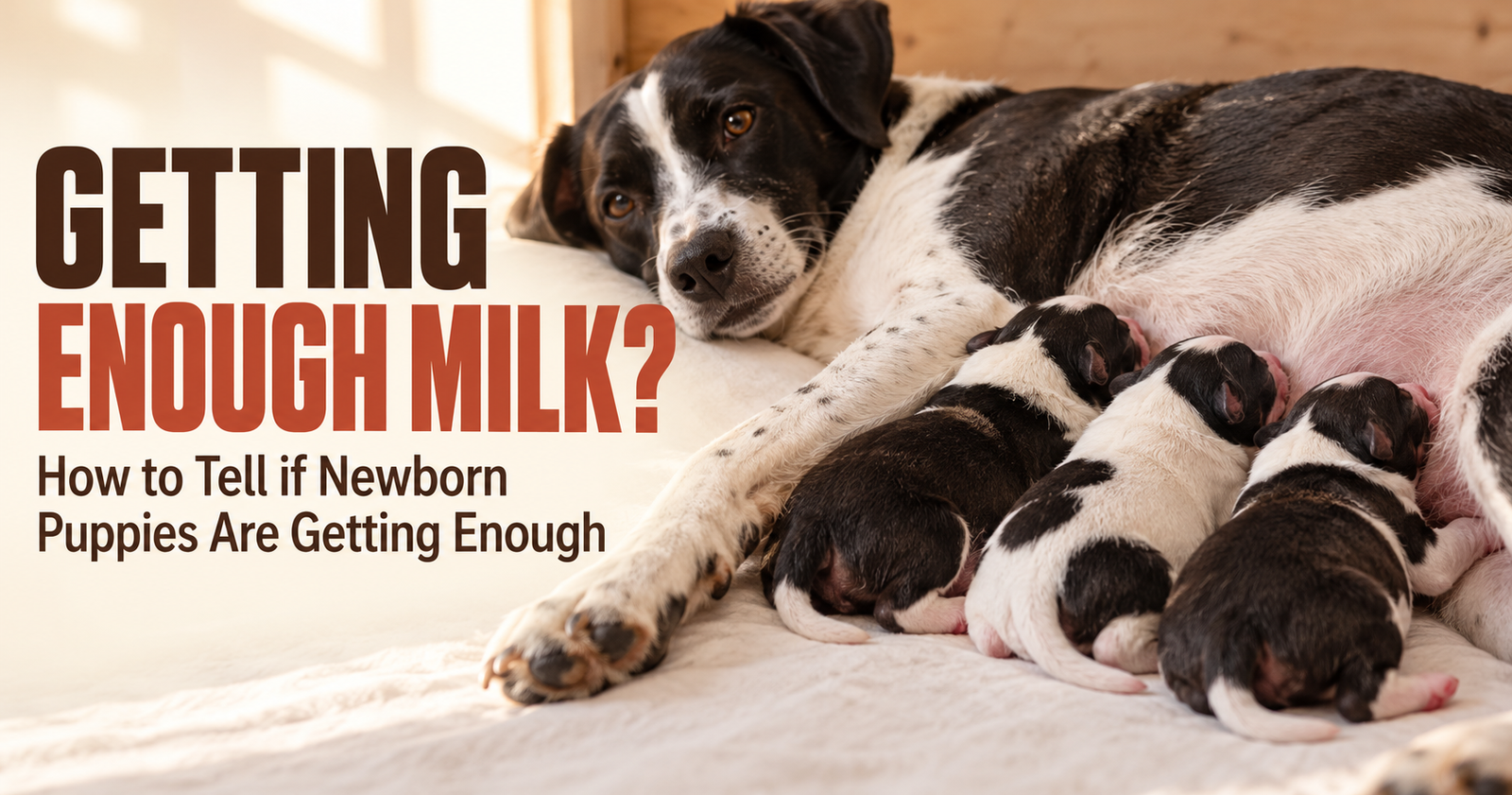
My article on signs puppies are getting enough milk can help you assess the nursing side while arranging guidance.
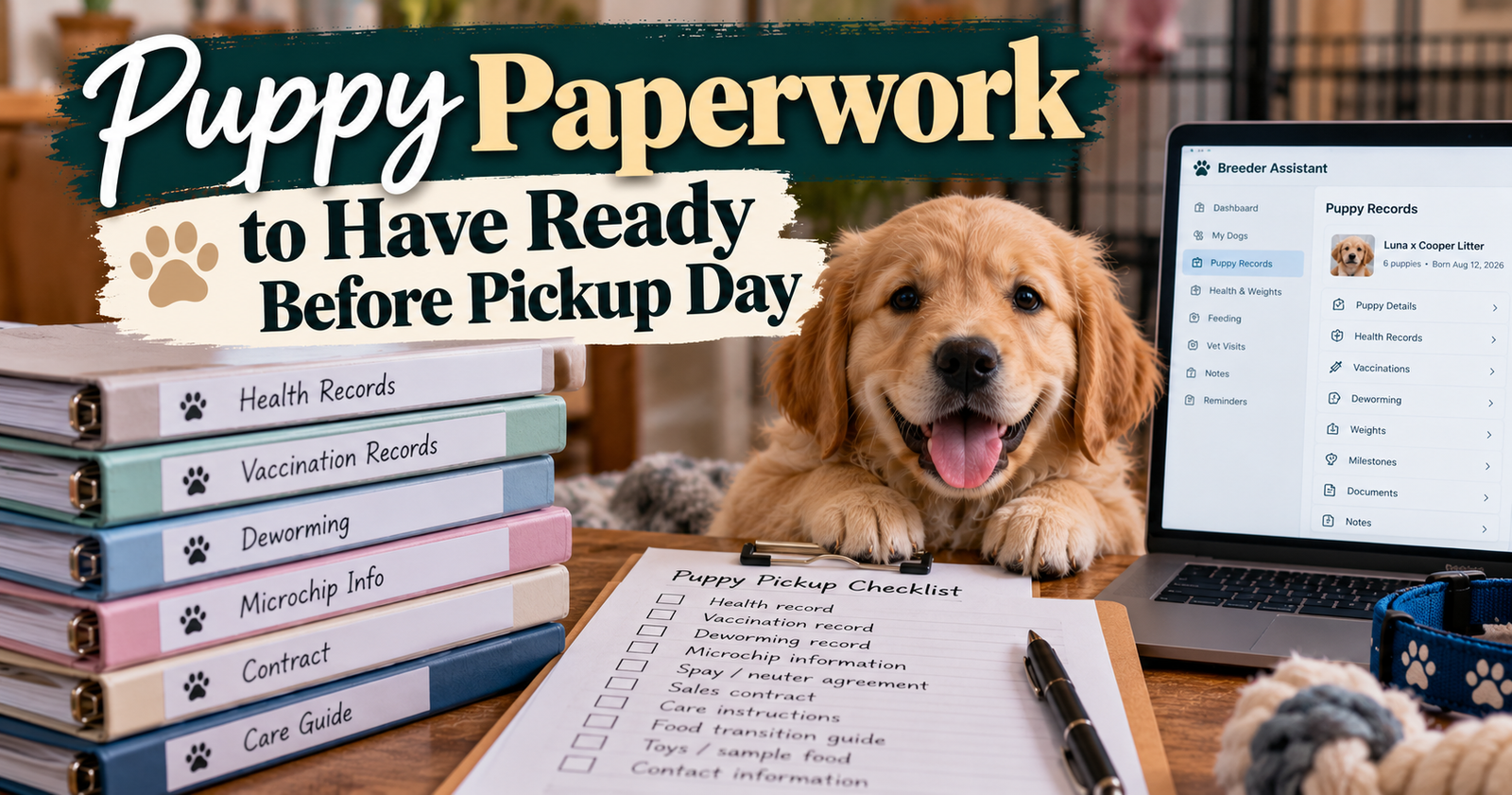
Keep the Litter’s Feeding Details Organized
When several puppies are learning together, little differences matter.
One starts confidently. Another needs a separate dish. A third develops loose stool after a change.
Write those details against the correct puppy.
Make Care Easier to Share
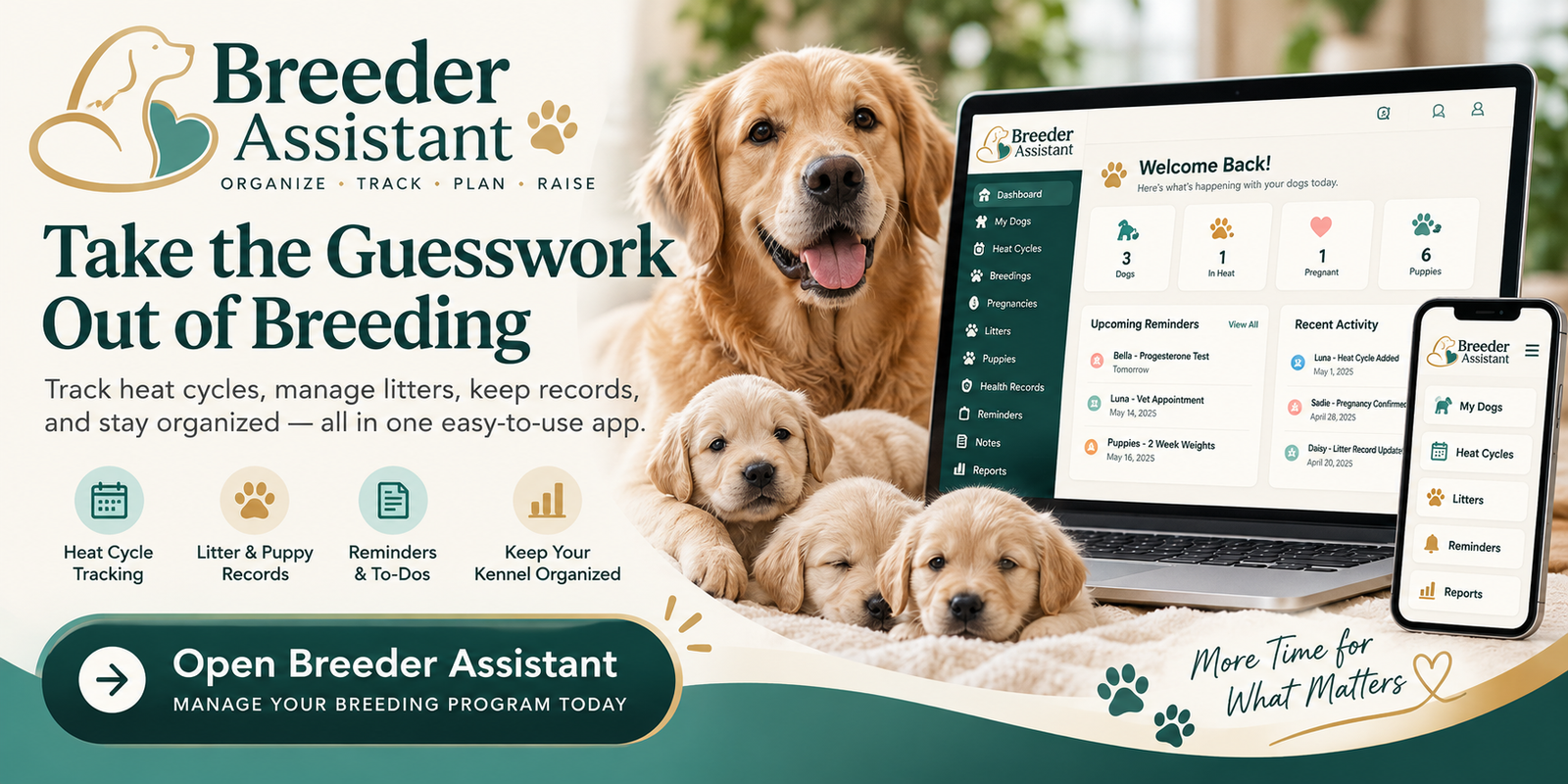
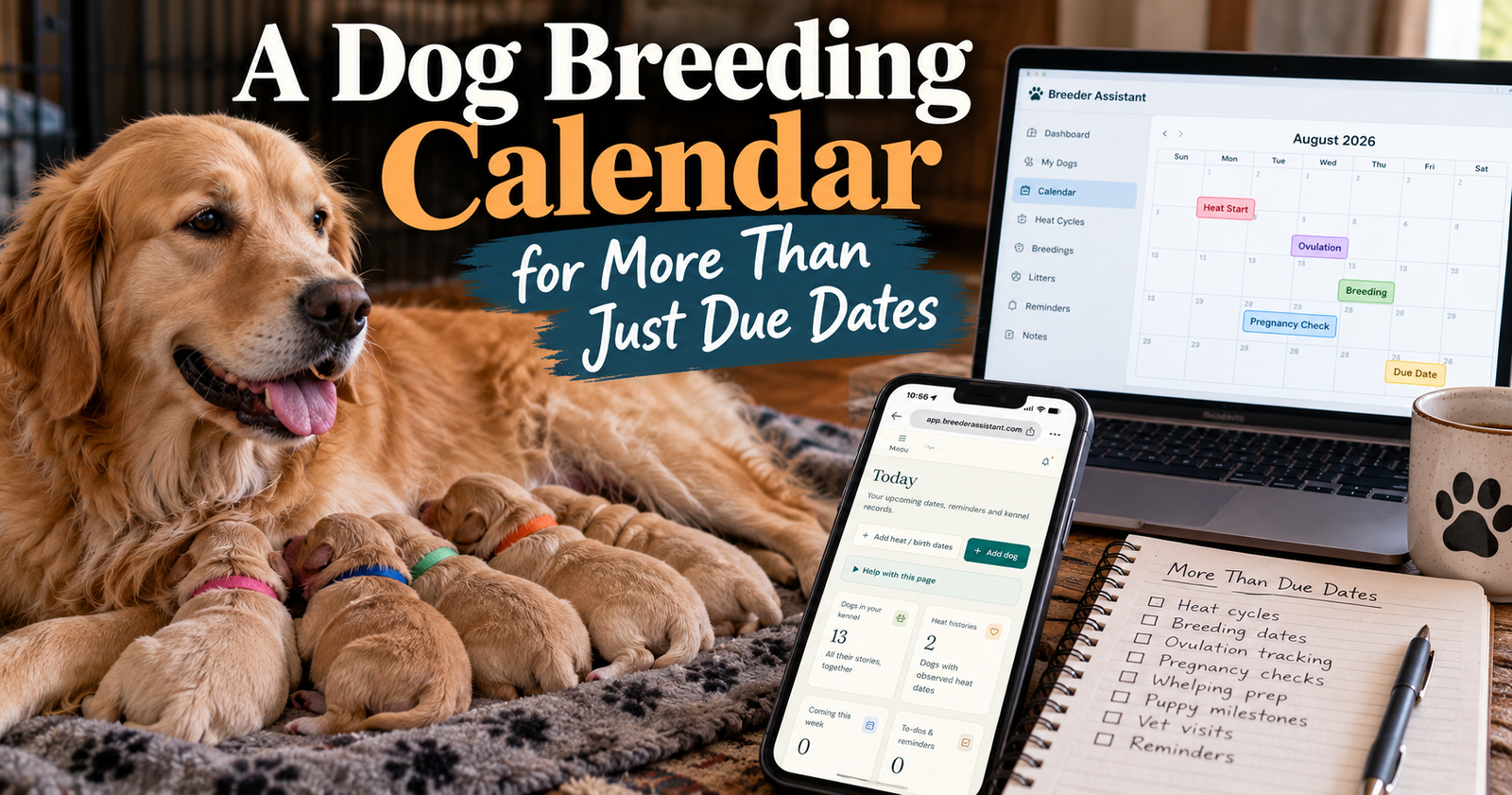
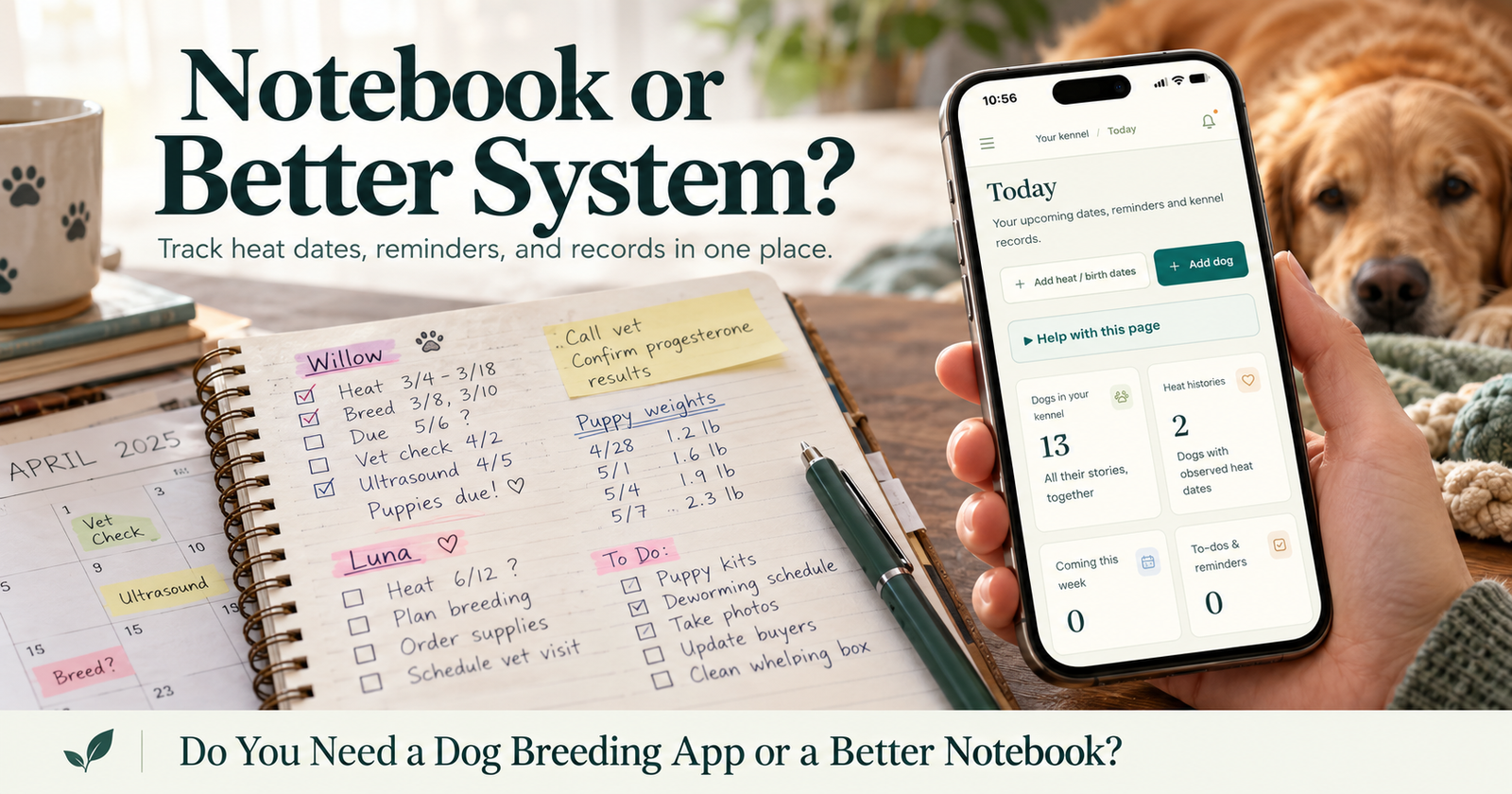
Breeder Assistant helps keep puppy notes and care reminders together, with individual puppy records connected to their litter.
Use the notes for the food you introduced, which puppy needs extra observation, and the instructions from your veterinarian. Add related care reminders so everyone helping can follow the same plan. Those observations fit naturally into individual puppy care notes, where feeding changes, reminders, and follow-up details stay connected to each puppy.

That is more useful than trying to remember which puppy “didn’t eat much yesterday.”
Don’t Forget Mom as Nursing Decreases
Weaning affects her, too.
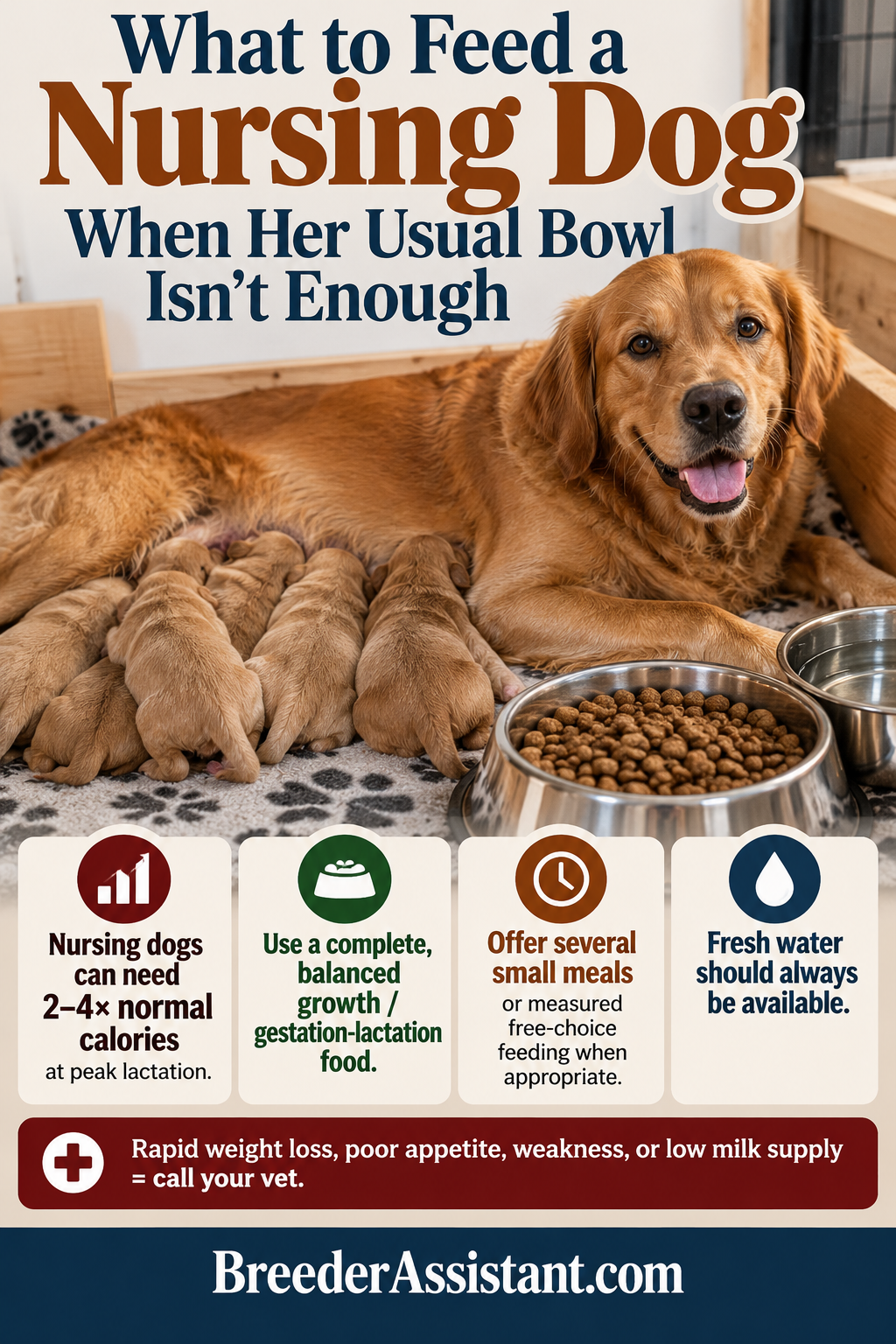
As puppies rely less on milk, her calorie needs gradually change.
Adjust Rather Than Abruptly Cut Back
Don’t continue peak-nursing portions indefinitely.
But don’t suddenly slash her food while she is still heavily nursing.
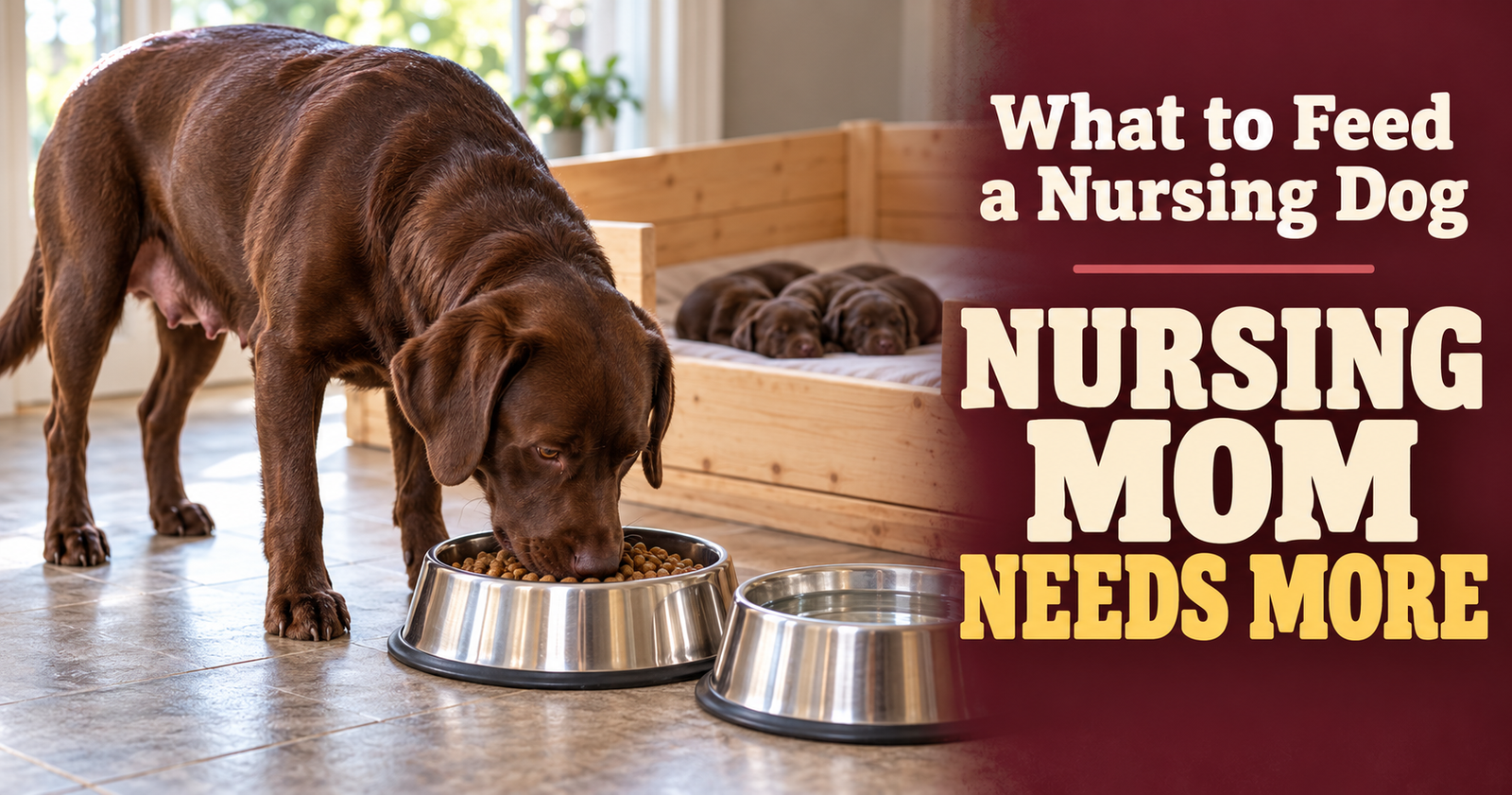
My feeding guide for nursing mothers explains the changing demands on her.
Watch for Painful Glands or Illness
Contact your veterinarian about mammary swelling, redness, pain, abnormal milk, or a mother who seems unwell.
Keep drinking water available throughout weaning.
When Are Puppies Fully Weaned?
Weaning takes place over several weeks, and published timelines vary.
ASPCA describes a gradual transition generally beginning at three to four weeks and ideally completing around seven to eight weeks. Some puppies progress differently.
The important milestone is reliable, adequate food intake without depending on milk for nutrition.
Eating Food Doesn’t Mean Ready to Leave Mom
Puppies also learn from their mother and littermates.
Being able to eat from a dish doesn’t establish emotional, social, or legal readiness for a new home.
Cornell emphasizes that the transition to solid food and the broader benefits of remaining with the mother are separate considerations.
Questions About Puppies Starting Food
Can two-week-old puppies eat puppy food?
Two weeks is earlier than the usual introduction around three to four weeks. If a puppy that young isn’t getting enough milk, contact your veterinarian for an appropriate feeding plan. Don’t replace necessary milk feeds with food because nursing is difficult.
Can I use warm water instead of puppy milk replacer in the mush?
Yes, softened puppy food mixed with warm water is an established weaning approach. The puppy must still receive adequate total nutrition, including milk while it remains dependent on it. If using replacer, prepare it correctly.
When can puppies eat dry kibble?
Move toward firmer food gradually as they can manage it and consume enough. You don’t need to rush from thin mush straight to hard kibble on a particular birthday. Appropriate softened puppy food is still food.
Is it normal for puppies to walk through the bowl?
Yes, learning can be messy. Supervise, make sure each puppy actually eats, and clean and dry them afterward. A food-covered puppy hasn’t necessarily had a full meal.
Should puppies stop nursing as soon as they eat from a dish?
No. Early tastes are only the start. Reduce dependence on milk gradually as food intake becomes adequate, while monitoring each puppy’s condition and growth.
Written by Breeder Assistant, sharing practical guidance from a licensed dog breeder with many years of experience and 14 dogs total in a small breeding program.