

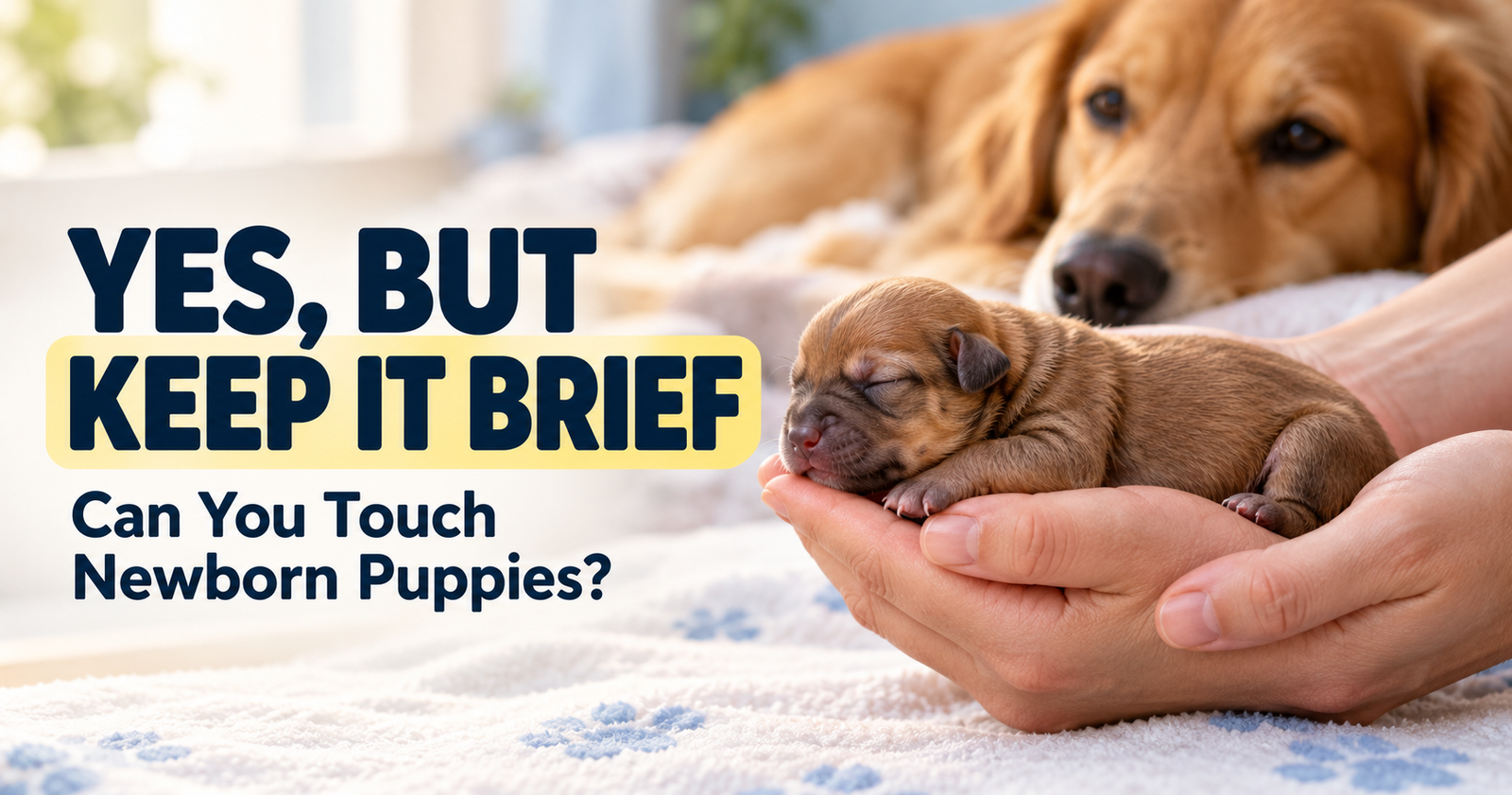
Yes, you can touch newborn puppies when they need care. Gentle handling for weighing, checking them, helping with nursing, or changing bedding is appropriate from birth. Keep it brief, use clean hands, and pay attention to how their mother responds.
You don’t need to leave a puppy trapped under a blanket or struggling to reach mom because you’re afraid to touch it.
At the same time, a newborn litter doesn’t need to be passed around for everyone to hold.
I’m a licensed breeder with 14 dogs total and many years of experience. My biggest concerns during those early days are puppies getting their milk, staying warm, and resting somewhere safe. Handling should support those needs without unnecessarily interrupting them.
Will Mom Reject Her Puppies if You Touch Them?
Ordinary human scent on a puppy does not automatically cause its mother to reject it.
Necessary handling happens during births, veterinary examinations, and everyday newborn care. The concern is how the puppies are handled and whether their mother becomes stressed, not simply that someone touched them.
Don’t Let That Fear Prevent Needed Care
If a puppy is underneath loose bedding, pinned beside mom, or unable to get into a safe position, help it. These situations are part of the newborn puppy safety checks that matter most during the first day.
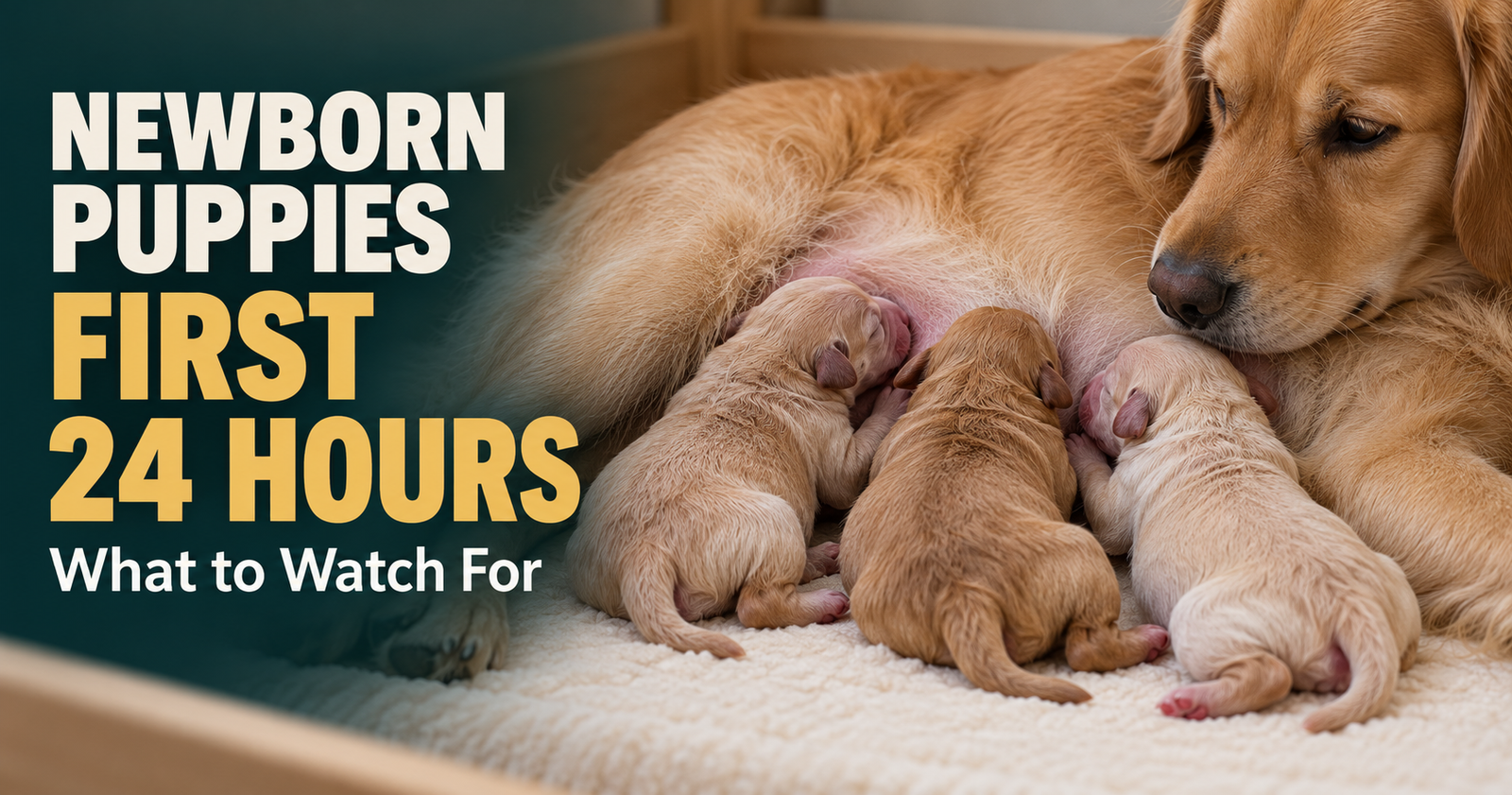
Waiting because you don’t want to leave your scent can put the puppy at greater risk.
From my experience, puppies can become trapped under a fluffy blanket or squeezed against the wall when their mother lies down. Finding and safely repositioning that puppy matters.
But Don’t Assume Every Mother Welcomes Handling
A dog that normally loves attention may feel differently with newborn puppies.
Some mothers remain relaxed. Others become protective or unsettled.
Watch the dog in front of you rather than assuming she will respond exactly like another mother you’ve known.
When Should You Pick Up a Newborn Puppy?
There are practical reasons to handle puppies during their first days.
The Royal Kennel Club specifically recognizes checking puppies, weighing them, and cleaning the whelping area as appropriate reasons for brief handling.
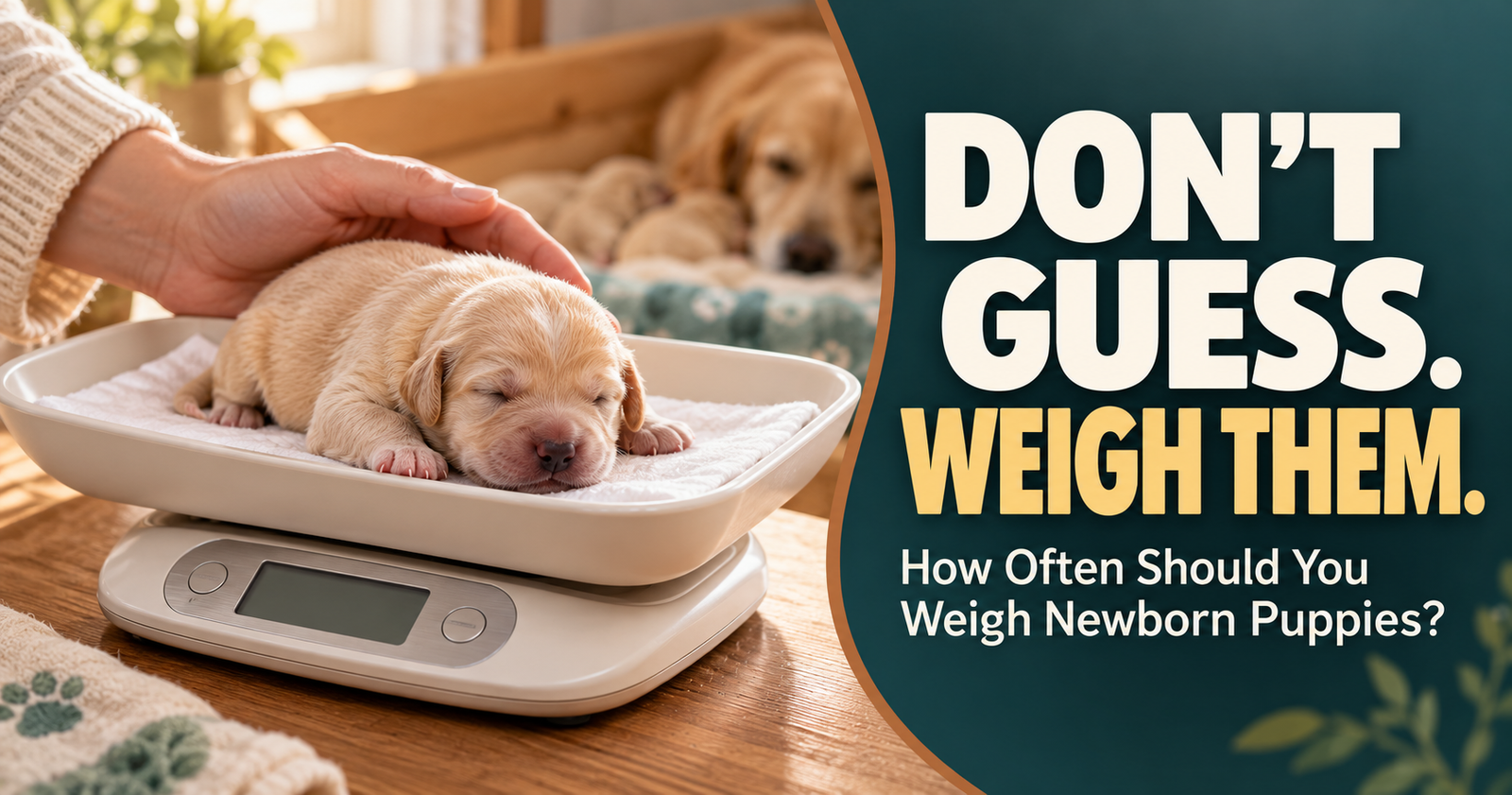
To Get a Weight

Regular individual weights help you follow each puppy’s progress. A Greater Goods digital pet scale may be a practical option to consider for these regular individual checks.
Prepare the scale and your notes first so the puppy isn’t waiting while you get organized.
My newborn puppy weighing guide explains how to keep those checks short and useful.
To Help a Puppy Reach Mom
A warm, active puppy may need gentle help getting into position to nurse.
Move it carefully near an available nipple, then observe whether it attaches successfully.
Repeated trouble feeding needs veterinary advice. Constant repositioning shouldn’t become a substitute for finding out why the puppy cannot nurse.
To Change Wet Bedding
You may need to move puppies briefly while replacing damp or soiled bedding.
Have a safe, appropriately warm temporary space ready before starting.
Account for every puppy when returning them.
To Prevent Trapping or Crushing
A puppy hidden beneath a fold of bedding needs to be found.
One pinned under mom or against the wall needs help.
Necessary care doesn’t become optional just because the litter is very young.
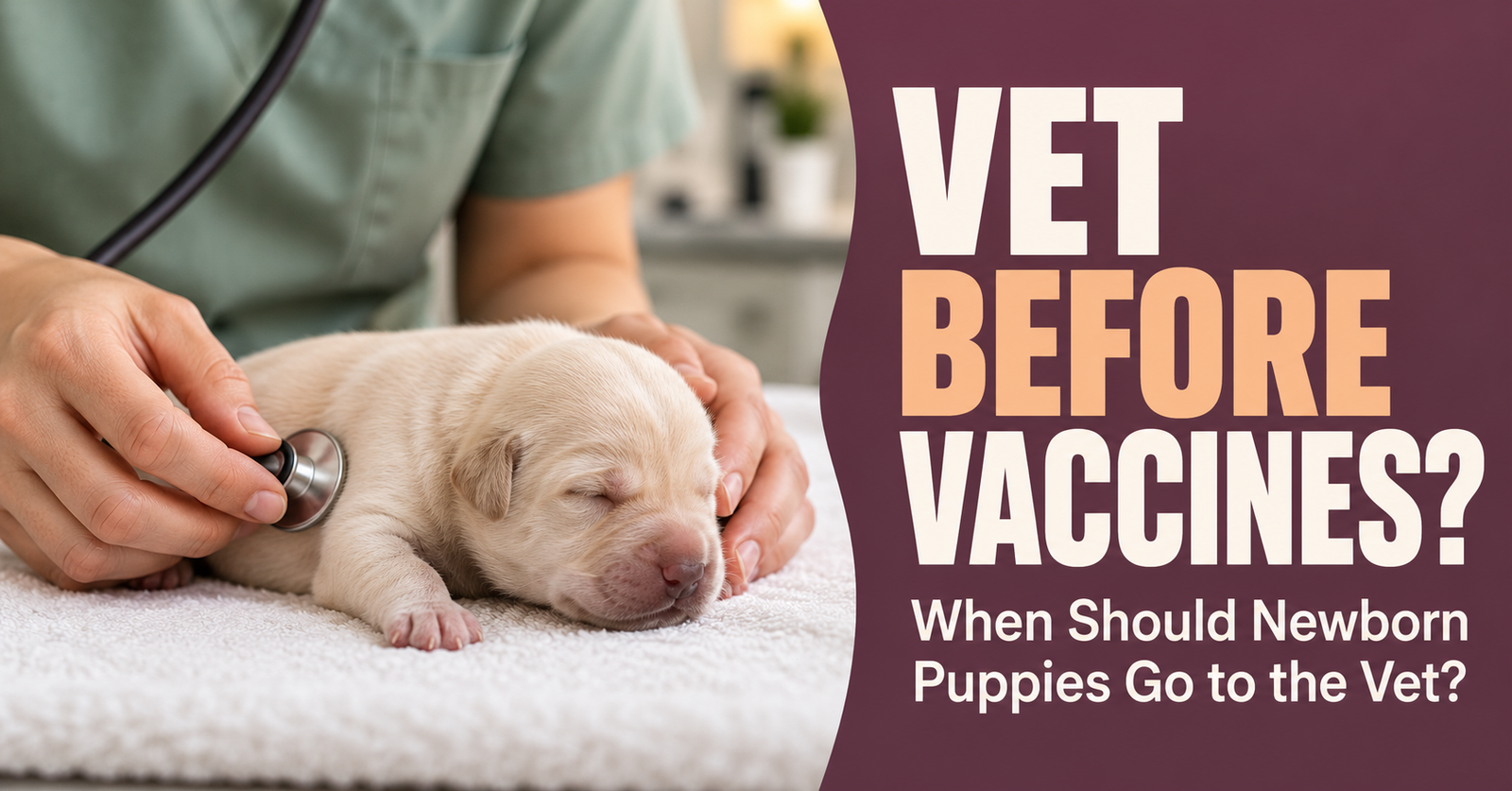
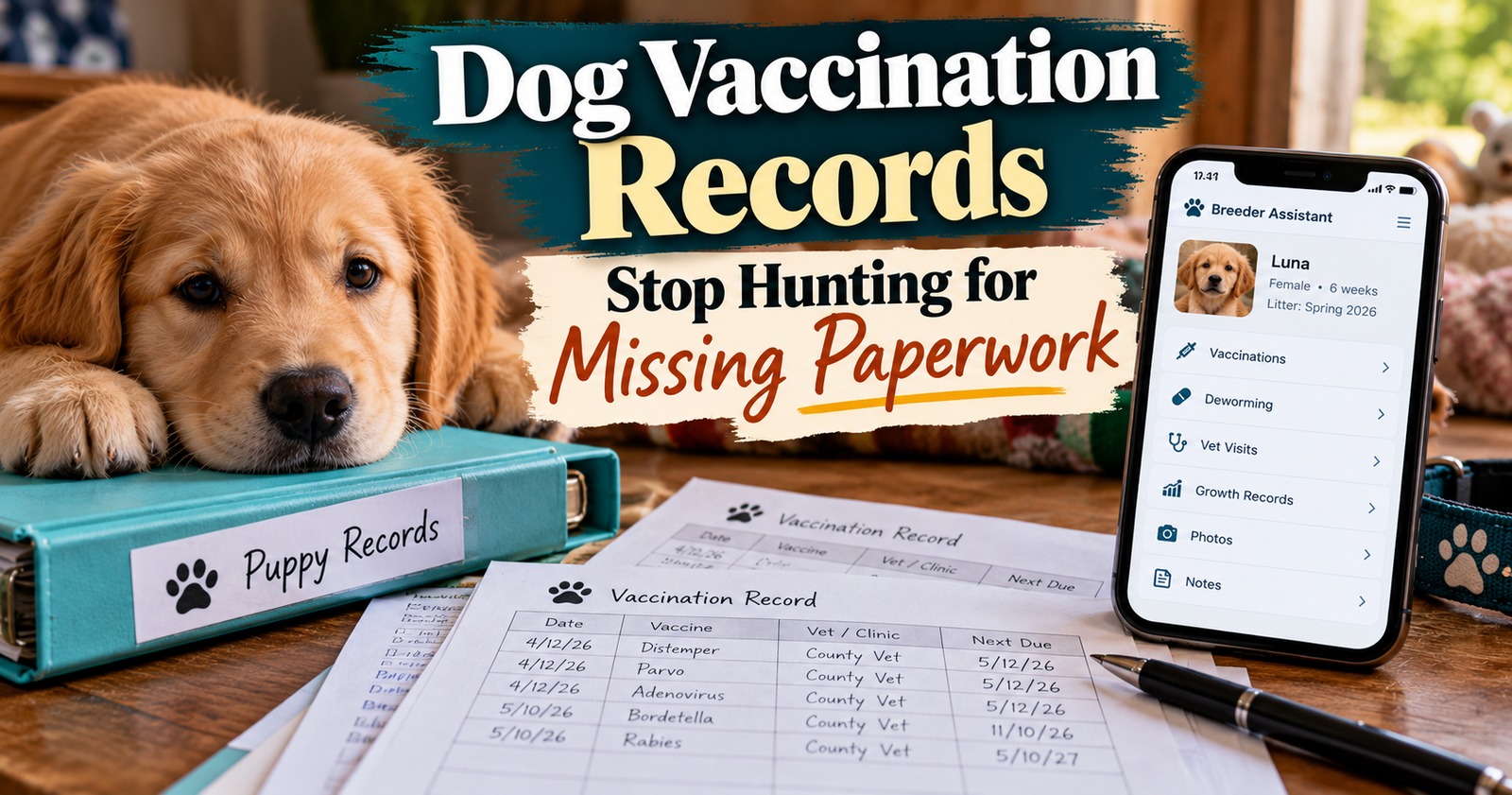
How to Pick Up a Newborn Puppy Safely
Small puppies can wriggle suddenly.
Handle them as though they might move, even when they look asleep.
Wash and Dry Your Hands
Start with clean hands.
Dry them before touching the puppy, and don’t handle newborns with cleaning products or other residue on your skin.
Handwashing is a simple way to reduce what you bring into the puppy area.
Let Mom Know You’re There
Approach calmly.
Avoid suddenly reaching over a protective mother or grabbing a puppy from behind her.
If she seems uncomfortable, pause and assess the situation. Don’t turn an ordinary check into a struggle.
Support the Whole Body
Use both hands as needed to support the puppy’s chest, abdomen, and hindquarters.
Keep the head supported in a natural position.
Don’t lift a puppy by a leg, tail, collar, or the skin of its neck.
Stay Low
Work close to the box or another low, secure surface.
Don’t carry a newborn around the room one-handed while doing something else.
A small movement can become a fall surprisingly quickly.
Return It to a Safe Position
Place the puppy down gently.
Check that it isn’t beneath bedding, against a trapping gap, or where mom is about to lie down.
Then make sure the rest of the litter is accounted for, too.
How Long Can You Hold a Newborn Puppy?
There isn’t one number of minutes that makes every handling session safe.
A puppy’s age, health, surroundings, and reason for handling all matter.
My recommendation is simple: finish the care task and return the puppy promptly.
Have Everything Ready First
If you’re weighing, prepare the scale.
If you’re checking identification, have the record open.
If you’re changing bedding, have clean replacements within reach.
Preparation keeps a necessary check from becoming a long separation.
Don’t Interrupt a Good Feeding for a Cuddle
A puppy nursing effectively is doing something important.
Let it feed unless there is a care reason to intervene.
Newborns need frequent milk intake, and handling shouldn’t repeatedly take them away from that opportunity.
For the feeding side, my nursing and bottle-feeding guide explains those early needs.
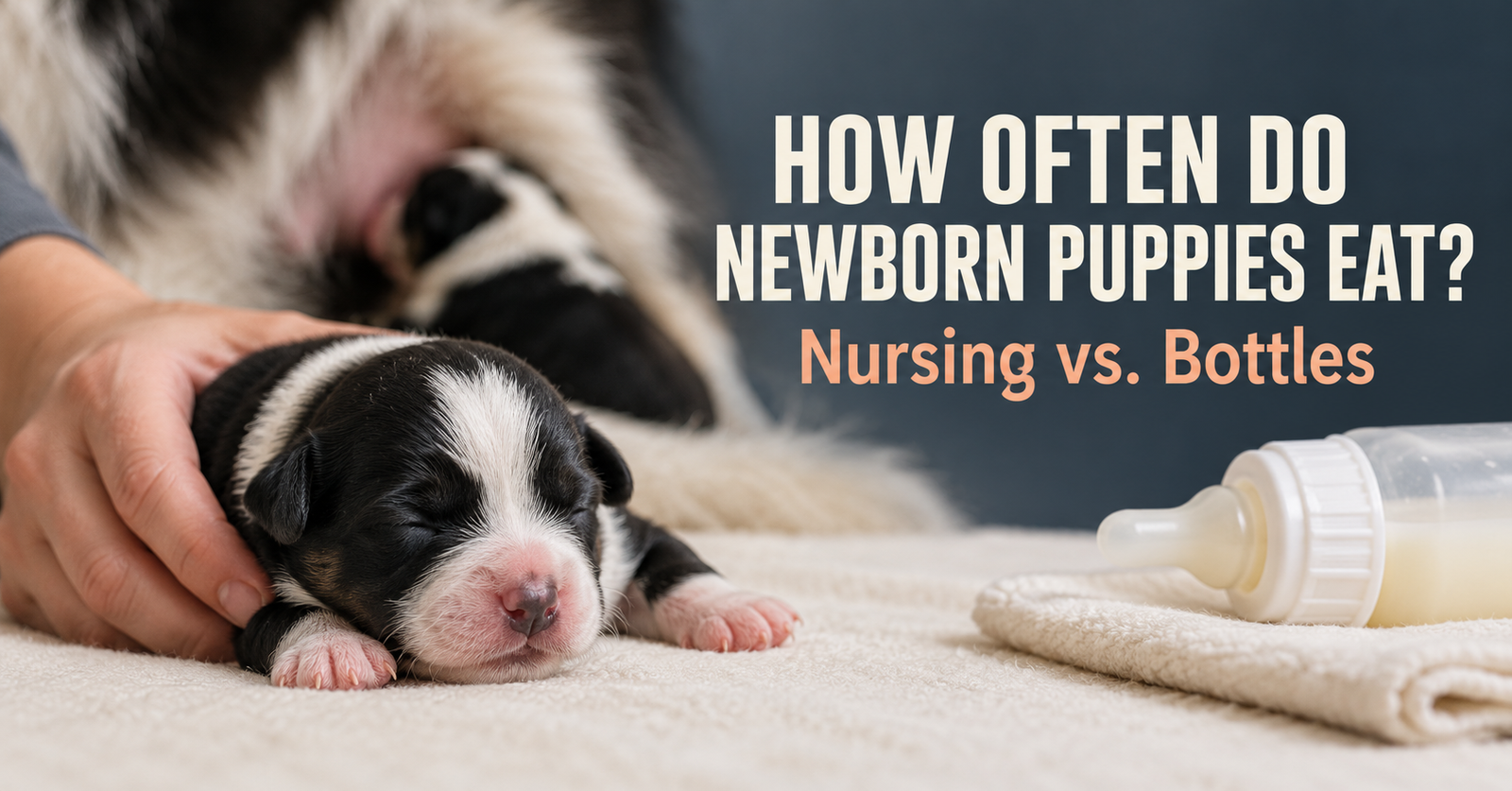
Warmth Matters While You Handle Them
This is one of the biggest points I’d emphasize from experience.
Newborn puppies can get cold quickly. A puppy shouldn’t be sitting away from its warm space while everyone admires it or takes turns holding it.
Veterinary guidance emphasizes that young puppies depend on their mother and an appropriate environment for warmth.
Your Hands Aren’t a Complete Warming Setup
Holding a puppy doesn’t tell you whether its body temperature is appropriate.
Keep necessary handling brief and return it to its properly managed environment.
Don’t place it directly against a hot heating pad or lamp afterward to make up for time away.
Don’t Wrap It in a Loose Blanket and Leave It
A blanket can hide where the puppy is.
If it works underneath the material and mom lies down, it may become trapped.
Use flat, secure bedding in the resting area. My guide to keeping newborn puppies warm safely covers heat sources and bedding in more detail.
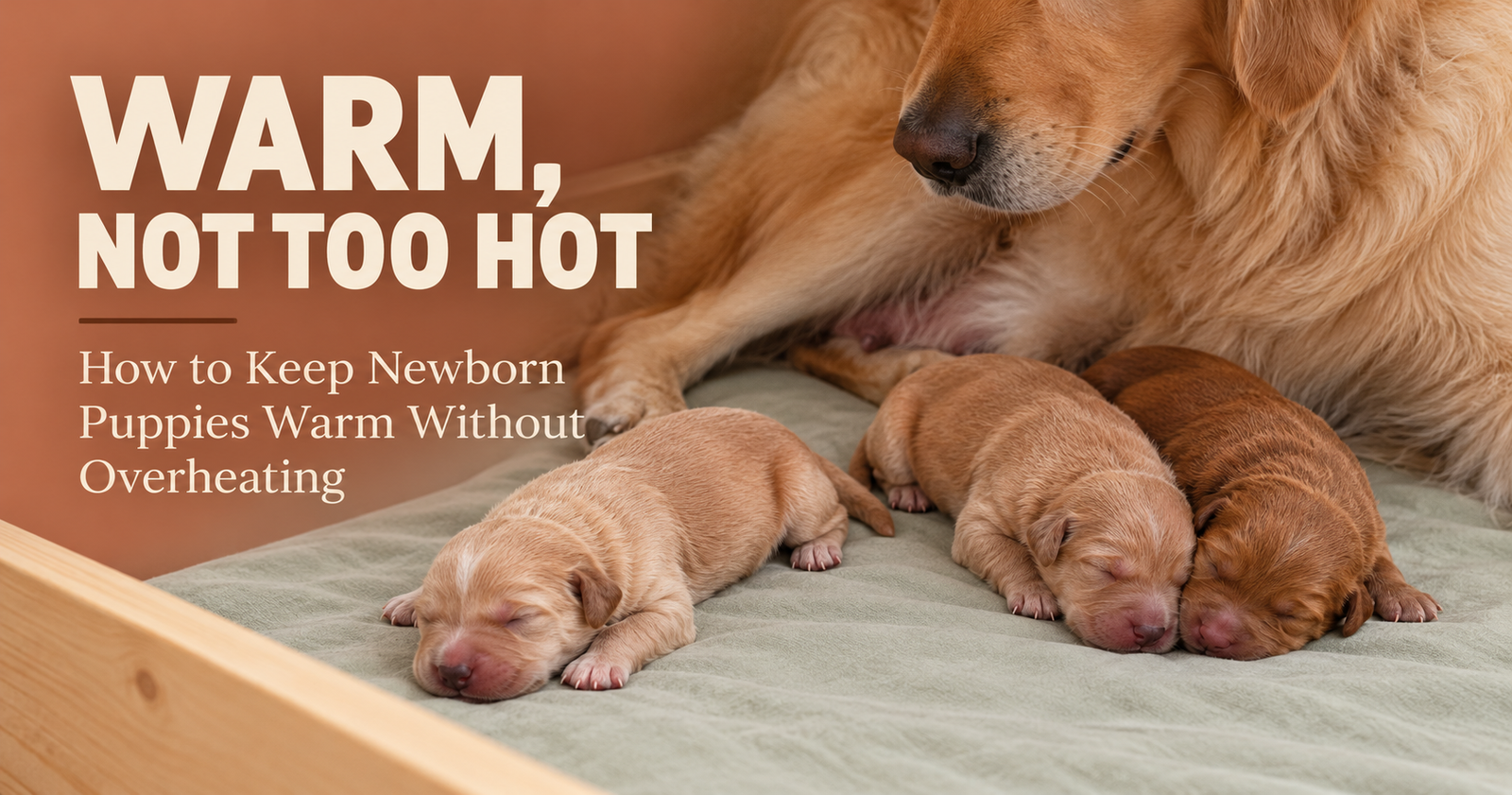
Pay Attention to Mom’s Reaction
Handling the puppy safely includes considering the mother.
A calm dog can become unsettled if people keep reaching into her space.
Notice Early Signs of Discomfort
A tense body, hard stare, repeated attempts to block you, growling, or snapping means you need to stop and reassess.
Don’t punish her for warning you.
Give her space and reduce unnecessary activity around the litter.
Don’t Force a Routine Check
If the puppy is safe and the task can wait, pause.
If urgent care is needed but you cannot safely reach the puppy, contact your veterinarian immediately for guidance. Don’t put yourself in a position to be bitten.
Ask for Help With Ongoing Problems
A mother repeatedly preventing necessary care or acting aggressively toward the puppies needs a management plan.
Pain, illness, stress, and other factors may need consideration.
VCA notes that some mothers become anxious and that persistent difficulty settling warrants veterinary guidance.
Can Children Hold Newborn Puppies?
For brand-new puppies, my recommendation would be to let adults handle the necessary care.
Children can watch quietly without needing to hold them.
That keeps the focus on nursing, warmth, and helping the mother settle.
Excitement Can Turn Into Accidents
A child may squeeze when a puppy wriggles or pull away when it squeaks.
Even a well-meaning child can drop a puppy before an adult has time to react.
There will be opportunities for age-appropriate interaction as the puppies develop.
Give Children a Different Job
They can help prepare clean supplies away from the box or observe quietly with an adult.
That lets them be involved without making a fragile newborn responsible for teaching careful handling.
What About Visitors?
I would keep newborn visits limited.
A new litter is exciting, but visitors bring extra handling, noise, and opportunities for exposure to germs.
The Royal Kennel Club advises minimizing early visitors and emphasizes clean hands and precautions against carrying infectious material into the puppy area.
Photos Can Wait Until the Litter Is Settled
A quick picture shouldn’t become a long session of moving puppies into poses.
Don’t arrange them on cold surfaces or take them away from feeding just to get the shot.
Keep Other Animals Out of the Handling Area
Dogs that normally get along don’t all need access to newborn puppies.
Give the mother and litter their own quiet space.
Ask your veterinarian about appropriate visitor and disease-prevention precautions for your household.
Does Early Handling Help With Socialization?
Gentle, appropriate human contact has a place in raising puppies.
But newborn care and later socialization aren’t the same stage.
The earliest days should stay centered on feeding, warmth, rest, and necessary monitoring.
Build Interaction as They Develop
As puppies become stronger and more aware of their surroundings, handling can gradually develop into short, positive interactions.
There is no need to rush newborns into being held by a crowd.
Don’t Turn Handling Into a Stress Test
Ordinary care doesn’t require deliberately chilling puppies, repeatedly upsetting them, or keeping them away from mom.
If you’re considering a structured early stimulation program, discuss its suitability and technique with your veterinarian or a qualified professional familiar with neonatal puppies.
Use Brief Checks to Keep Useful Records
When you handle a puppy for care, record anything worth following.
Maybe it needed help latching. Maybe you noticed a change that needs a veterinary appointment.
Use a consistent puppy number so the note belongs to the right individual. That same approach supports consistent puppy identification as the puppy’s care history grows.

Keep the Information in One Place

This is where Breeder Assistant can help organize your litter. You can keep individual puppy details, notes, and related appointments and reminders connected to the puppy’s record.
That makes it easier to keep track of which puppy needed attention instead of relying on memory.
The goal is practical: spend less time sorting out scattered details and more time paying attention to mom and the litter.
When Handling Reveals a Problem
Sometimes you notice something concerning when you pick up a puppy.
It may feel unusually cool, respond poorly, or seem much weaker than its littermates.
That needs attention, not simply a shorter cuddle.
Call Promptly About Poor Feeding or Weakness
A puppy repeatedly unable to nurse, losing weight, or becoming weak needs veterinary guidance.
If you’re unsure what successful feeding looks like, these signs of adequate milk intake explain what to put together.
Treat Breathing Trouble as an Emergency
Trouble breathing, collapse, unresponsiveness, or blue or gray gums or tongue requires immediate veterinary care.
Don’t wait for the next scheduled check.
If the puppy was trapped or crushed, tell the clinic what happened even if it seems better after being freed.
Questions About Touching Newborn Puppies
Can you touch puppies on the day they are born?
Yes. Necessary gentle handling for care is appropriate from birth. Keep it purposeful, use clean hands, support the puppy, and return it promptly to a safe, warm position.
Should I wear gloves?
Clean hands are important. Gloves may be appropriate for certain care tasks or when your veterinarian recommends them, but dirty gloves don’t provide protection. Change them between contaminated tasks and follow veterinary instructions.
What if a puppy cries when I pick it up?
A brief squeak can happen when a puppy is moved. Check your support and return it promptly after the task. Persistent crying, weakness, or failure to settle deserves a closer look rather than assuming it simply dislikes being held.
Can I move a puppy that is underneath mom?
Yes. Help a trapped puppy promptly if you can do so safely. Then assess its breathing and responsiveness. Seek immediate veterinary advice if it appears injured, weak, or abnormal.
Do I need to pick up every puppy every time I check the litter?
No. Many checks can begin with quiet observation. Look at positions, breathing, nursing, and whether the puppies settle afterward. Handle them when needed for care rather than interrupting the whole litter automatically.
Written by Breeder Assistant, sharing practical guidance from a licensed dog breeder with many years of experience and 14 dogs total in a small breeding program.