

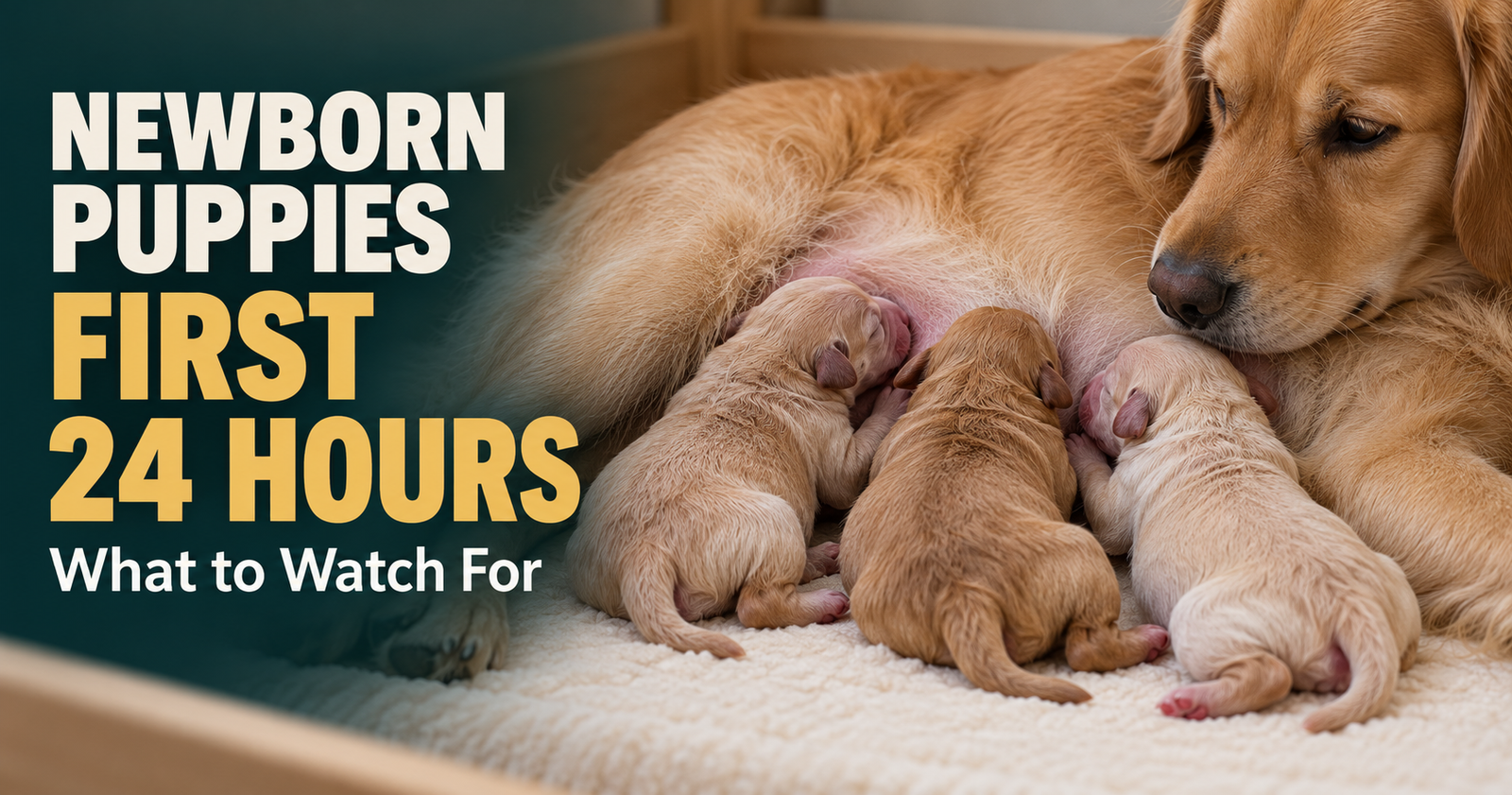
When newborn puppies arrive, the things I care about most are getting that first milk into them, keeping them warm, and making sure their space is safe. Puppies can get cold and go downhill quickly. They can also become trapped under bedding or pinned between their mother and the wall of a whelping box.
I’m a licensed dog breeder with 14 dogs total and many years of experience. Those first hours deserve attention, even when the birth went smoothly and the mother seems to know exactly what she’s doing.
That doesn’t mean you have to constantly move puppies around or interfere with every little sound. It means understanding what to check and giving mom room to care for her babies while you watch for problems.
Whether this is a planned litter or an unexpected one, here’s what I want you to understand about newborn puppies during their first 24 hours.
The First Milk Is One of My Biggest Priorities
A puppy being born is only the beginning. Once that puppy is breathing normally, getting dry, and staying warm, I want to know it can actually nurse.
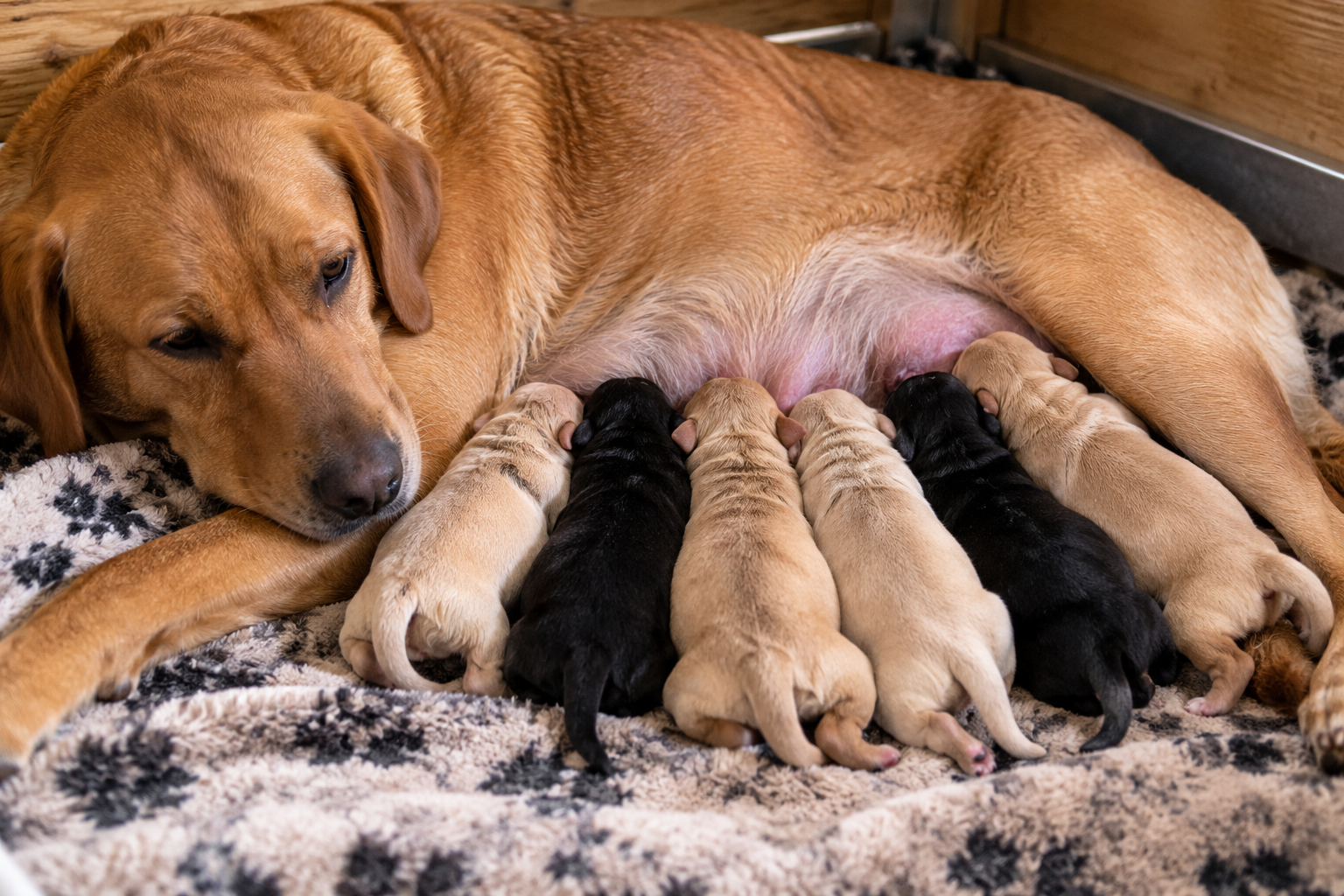
The mother’s first milk is called colostrum. It provides nourishment and antibodies that help protect puppies while their immune systems are still developing.
Puppies need access to it promptly. Their ability to absorb those protective antibodies decreases quickly after birth, so this isn’t something to put off until later in the day.
Being Near a Nipple Doesn’t Mean a Puppy Has Eaten
This is something I’d encourage any first-time breeder to watch closely.
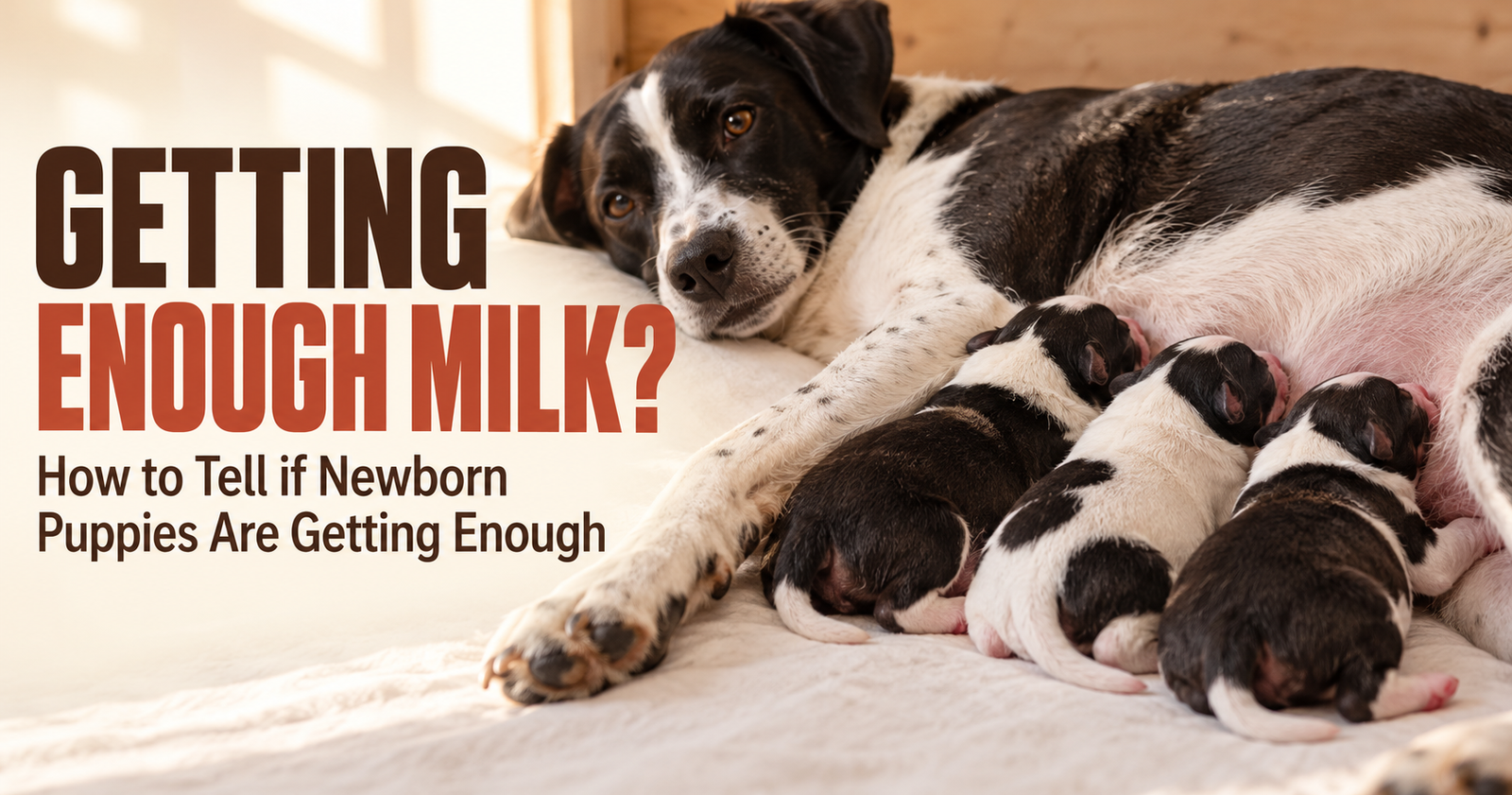
A puppy can be tucked underneath its mother and look like it’s feeding when it hasn’t latched properly. It may keep searching, slide off the nipple, or get pushed aside by another puppy.
Watch for the puppy to attach and suck rhythmically. You don’t need to interrupt a good feeding to check it, but you should know that each puppy has had a chance.
Look at every puppy individually. A litter nursing together doesn’t automatically mean every puppy is getting milk.
Help a Struggling Puppy Without Forcing It
If mom is comfortable with your involvement, gently bring a warm, active puppy to an available nipple and give it a chance to latch.
Sometimes the puppy needs a little positioning help. Other times, repeated trouble nursing points to something that needs a veterinarian’s attention.
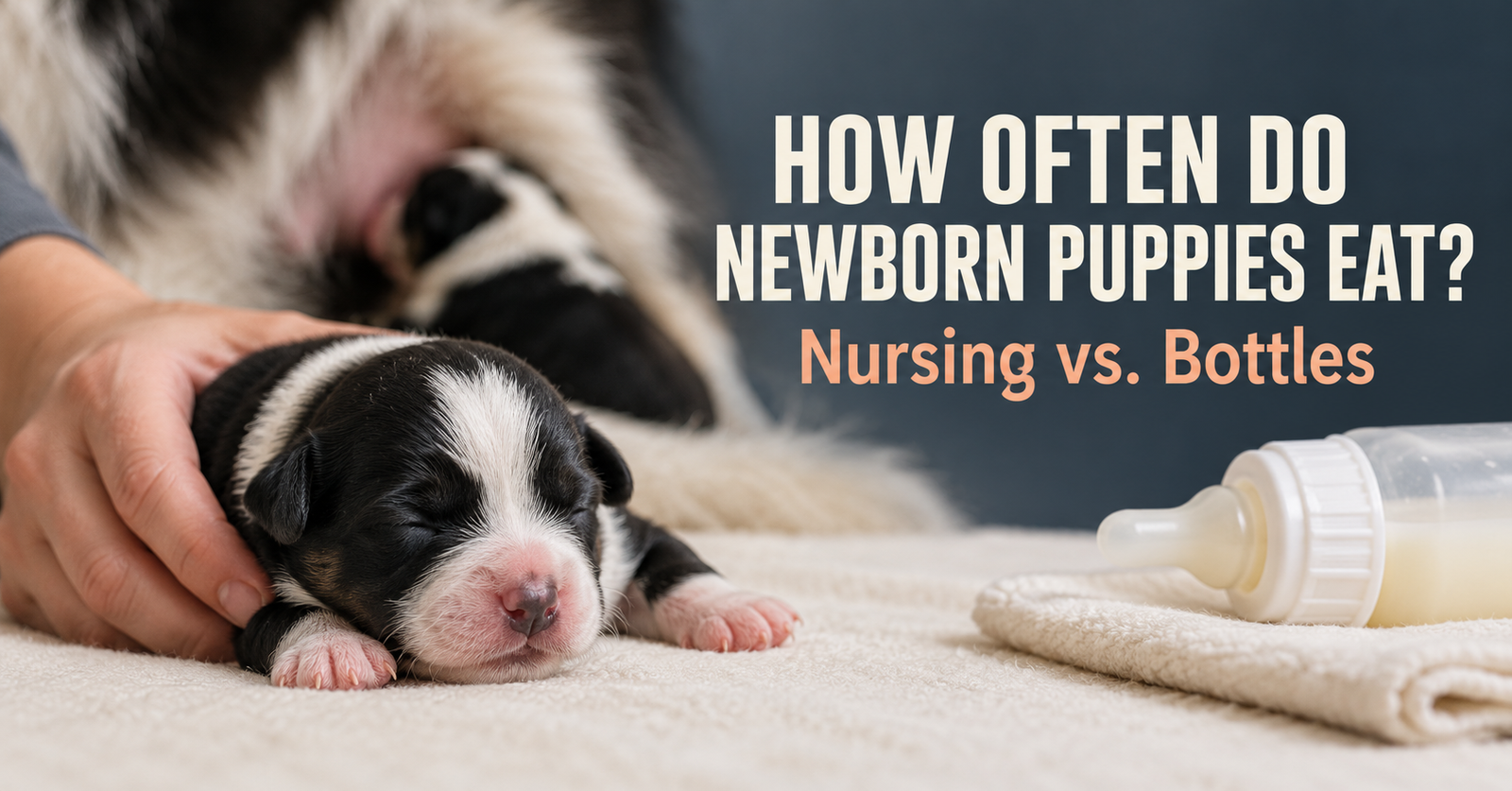
A puppy that cannot latch, has a weak suck, or keeps trying without successfully feeding needs prompt help. Don’t spend hours assuming it will eventually figure it out. For practical guidance on nursing frequency and bottle-feeding, see newborn puppy feeding guidance.
Keep Newborn Puppies Warm From the Start
From my experience, warmth deserves just as much attention as feeding.
Newborn puppies can get cold quickly, and a chilled puppy can become weak and stop nursing effectively. That can turn into a serious situation fast.
They cannot control their body temperature like an adult dog. Being inside the house doesn’t automatically mean they’re warm enough.
Check the Puppy Area, Not Just the Room
A thermostat tells you the temperature where the thermostat is located. It doesn’t tell you what conditions are like down in the whelping box.
Drafts, damp bedding, the floor underneath the box, and how much time mom spends with the litter can all affect the puppies.
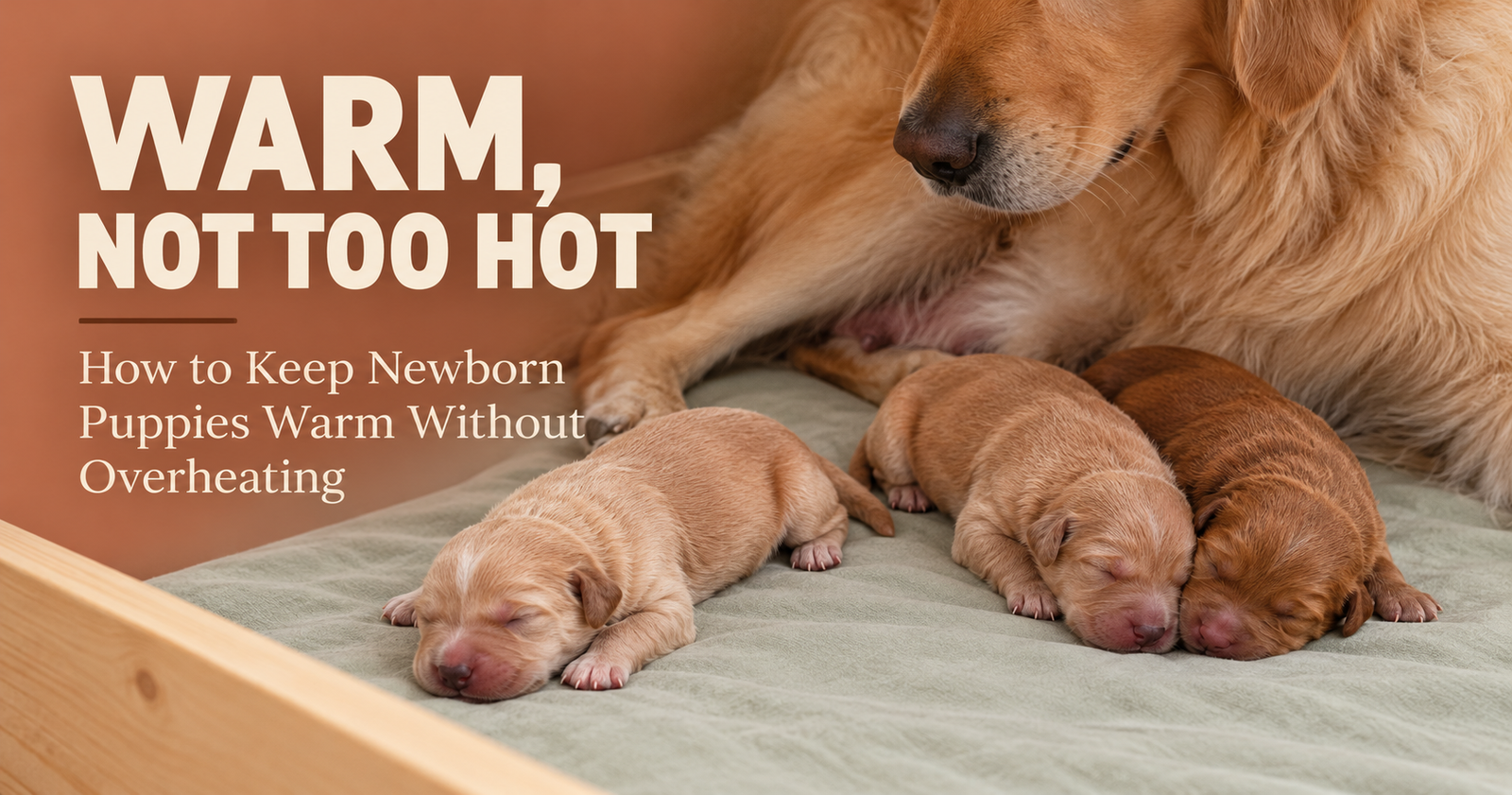
Use a thermometer near puppy level. VCA recommends an immediate environmental temperature of about 85°F to 90°F during the first four days, with adjustments for the setup and the litter. You don’t necessarily need the entire room that warm.
Warm Doesn’t Mean Hot
I want puppies warm, but I also want the heat source to be safe.
Heating equipment can burn or overheat puppies when it’s too close, too hot, or used incorrectly. Don’t place puppies directly against an uncovered heating pad or hot water bottle.
Provide a warmer area and a cooler area, and make sure mom can move away from supplemental heat. Still, don’t assume a newborn will always crawl away before getting too hot. A weak puppy may not be able to move effectively.
Don’t Force Milk Into a Cold, Weak Puppy
If a puppy feels cold and is weak or barely responding, call your veterinarian immediately for guidance.
It needs careful warming and an assessment of why it became chilled. Trying to force milk into its mouth can create another problem, including milk entering the lungs.
A cold puppy that isn’t nursing needs attention now, not another check several hours later.

Safe Bedding Matters More Than Looking Cozy
A fluffy blanket might look comfortable to us, but that doesn’t make it a good choice for newborn puppies.
One of my biggest concerns is a puppy getting underneath something and being unable to get out. A blanket can bunch up, fold over a puppy, or hide it from view.
Then mom lies down, and you may not realize a puppy is underneath her or the bedding.
I care much more about a clear, safe sleeping surface than a whelping box that looks extra soft.
Keep the Surface Flat and Secure
Choose bedding that lies flat, provides traction, and is easy to change when it becomes wet or dirty.
Avoid loose piles of blankets, deep cushions, and bedding with holes, loose threads, or loops that could catch a puppy.
Check the edges, too. A liner that starts flat can become folded after the mother digs or rearranges her space.
Don’t assume bedding is still safe just because you fixed it earlier.
Look Under Folds Before Mom Settles Down
When you change bedding or mom gets up, account for every puppy.
Look along the sides of the box and underneath any folds. Make sure the puppies are visible and positioned where she can settle without lying directly on them.
This is one place where a quick look can make a real difference. A newborn doesn’t have the strength or coordination to reliably escape once it’s trapped.
Watch for Puppies Getting Pinned Against the Wall
The space around the mother is another area I pay attention to.
A puppy can end up between her body and the wall of the box. When she lies down or shifts her weight, that puppy may become pinned or crushed.
A puppy doesn’t have to be completely underneath her for there to be a problem. Pressure against the side of the box can also leave it unable to move or breathe.
A Whelping Rail Can Help, but It Isn’t a Guarantee
A properly fitted whelping rail, sometimes called a pig rail, creates space around the inside edge of the box that may help protect puppies when mom lies against the wall.
The rail needs to be appropriate for the mother’s size and securely installed. Poorly sized gaps or loose parts can create their own trapping risks.
I would treat it as one part of a safer setup, not a reason to stop watching the litter.
Check Whenever Mom Changes Positions
Pay attention when she gets up, turns around, digs at the bedding, or lies back down.
You don’t have to make her nervous by hovering over every movement. Stay close enough to notice whether a puppy ends up underneath her or squeezed into an unsafe spot.
If a puppy disappears from view, find it. Don’t assume it’s safely nursing.

Keep the Area Clean Without Constantly Disturbing Everyone
Newborn puppies have developing immune systems, so keeping their surroundings clean matters.
That doesn’t mean repeatedly moving a settled litter while you try to make the box spotless. Focus on clean hands, dry bedding, and limiting unnecessary contact.
The goal is to reduce exposure while keeping the mother comfortable enough to care for her puppies.
Change Wet or Soiled Bedding
Birth fluids and damp bedding can leave puppies lying on a cold, wet surface.
Have clean replacements ready so bedding changes can be brief. Keep puppies safely warm during the change, and account for each one before returning them.
If you use cleaning products, follow the label and your veterinarian’s advice. Don’t leave puppies exposed to strong fumes or wet chemical residue.
Limit Visitors and Other Dogs
With 14 dogs total, I understand that caring for a litter can happen in a home where there are other dogs around.
That doesn’t mean everyone needs access to the newborns.
Keep the mother and puppies in their own quiet space. Wash your hands before handling them, and keep visitors from passing puppies around.
A mother who feels crowded or unsettled may have more trouble relaxing and allowing nursing.
Check Each Puppy Instead of Judging the Whole Litter
A comfortable-looking pile of puppies can hide one that needs help.
During a check, look for the puppy that keeps getting separated, isn’t finding a nipple, or seems much less active than the others.
Some variation is normal. One puppy may be smaller, another may be more vocal, and they won’t all nurse at the exact same time.
What matters is whether each one can feed, stay warm, and respond appropriately.
Quiet Isn’t Always Good, and Noise Isn’t Always Bad
A puppy may squeak when mom moves or when it’s searching for a nipple. An occasional sound doesn’t automatically mean something is wrong.
Persistent crying, repeated restlessness, or an inability to settle deserves a closer look.
On the other hand, a very weak puppy may become unusually quiet. Don’t use silence alone as proof that everyone is doing well. Check nursing, movement, warmth, and weight together.
Don’t Dismiss a Puppy as “Just the Runt”
The smallest puppy isn’t automatically sick.
But being small doesn’t explain away poor nursing, weakness, or a falling weight. Those signs still need attention.
I’d rather help someone notice what a puppy is doing than give it a label that makes a problem easier to overlook.
Get a Starting Weight and Write It Down

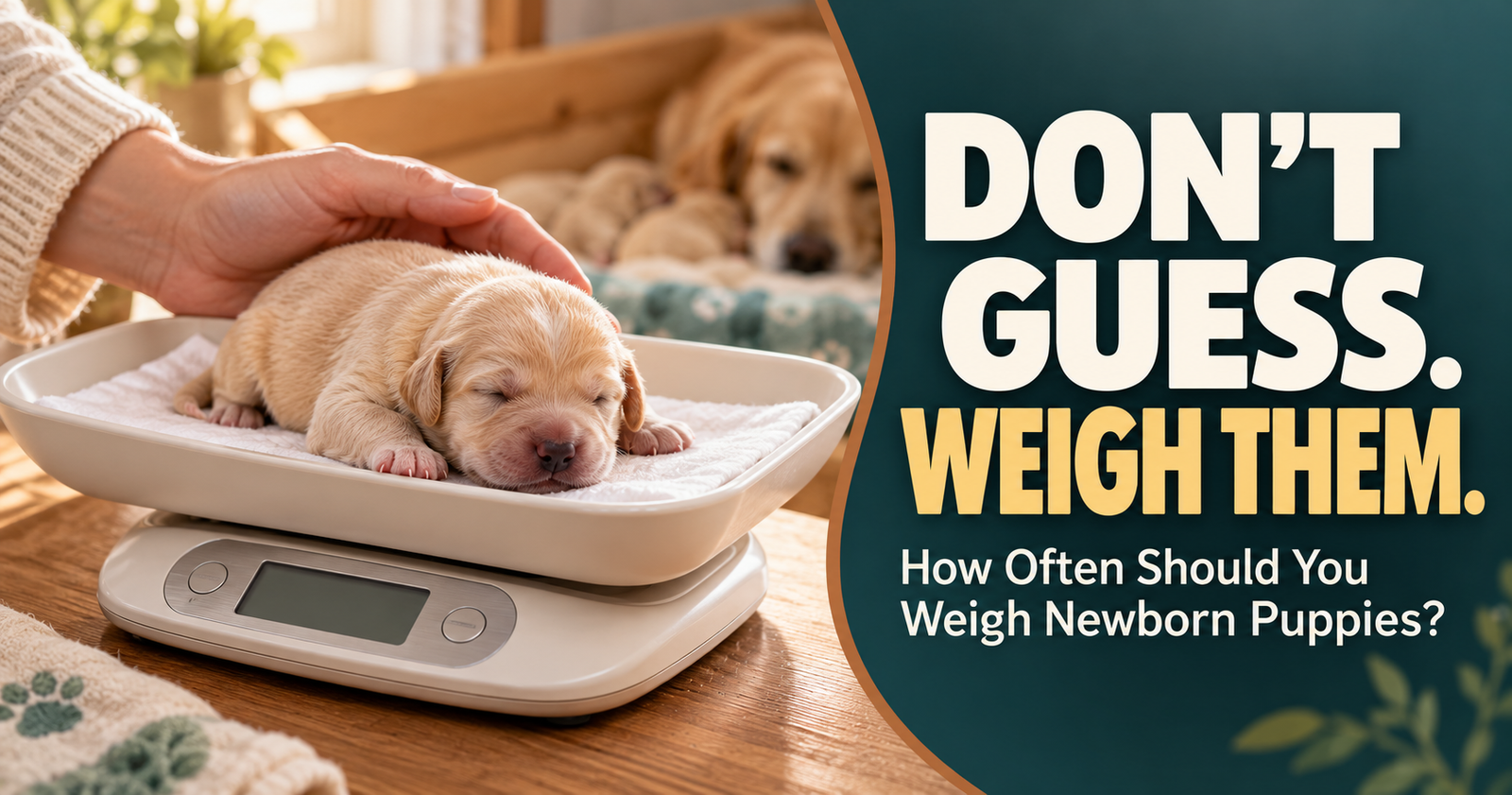
A scale gives you information your eyes can miss. A small digital scale such as the Greater Goods pet scale can support consistent newborn weight checks.
Record each puppy’s birth weight once it is dry and stable. Use an accurate digital scale that can measure small changes, and keep your measurements in the same unit. You can see how the app keeps these puppy records organized in record puppy weights.
Grams are often convenient for newborns.
Merck recommends weighing puppies twice daily during the first week. Your veterinarian may recommend closer monitoring for a puppy that needs extra support. For a practical schedule and measurement routine, use this weighing newborn puppies guide.
Keep Your Notes Simple
You don’t need a complicated record system on the first day.
Write down the puppy’s identifying information, birth time, starting weight, and later weights with the time of each measurement. A consistent system makes it easier to record a puppy’s identifying information alongside weights and later care details.

Add a short note if it needed help latching or if you noticed something unusual.
For example, “nursed with help at 8 p.m.” tells you more than trying to remember later whether that particular puppy ate.
Look at the Trend Along With the Puppy
Some puppies may have a small weight decrease during the first day, but that isn’t a reason to ignore a concerning change.
A puppy’s feeding, activity, warmth, and weight all belong in the same picture.
Contact your veterinarian about weight loss or a lack of progress, particularly if the puppy is also weak or struggling to nurse. Don’t wait for it to reach a certain amount of weight loss before calling about an obviously unwell puppy.
Let Mom Do Her Job While You Support Her
A healthy mother who is accepting her puppies does a tremendous amount of their care.
She provides milk, warmth, cleaning, and stimulation to help them urinate and pass stool.
Give her room to do that. The point of watching a litter is to notice when help is needed, not to take over every task.
Keep Water and Food Within Easy Reach
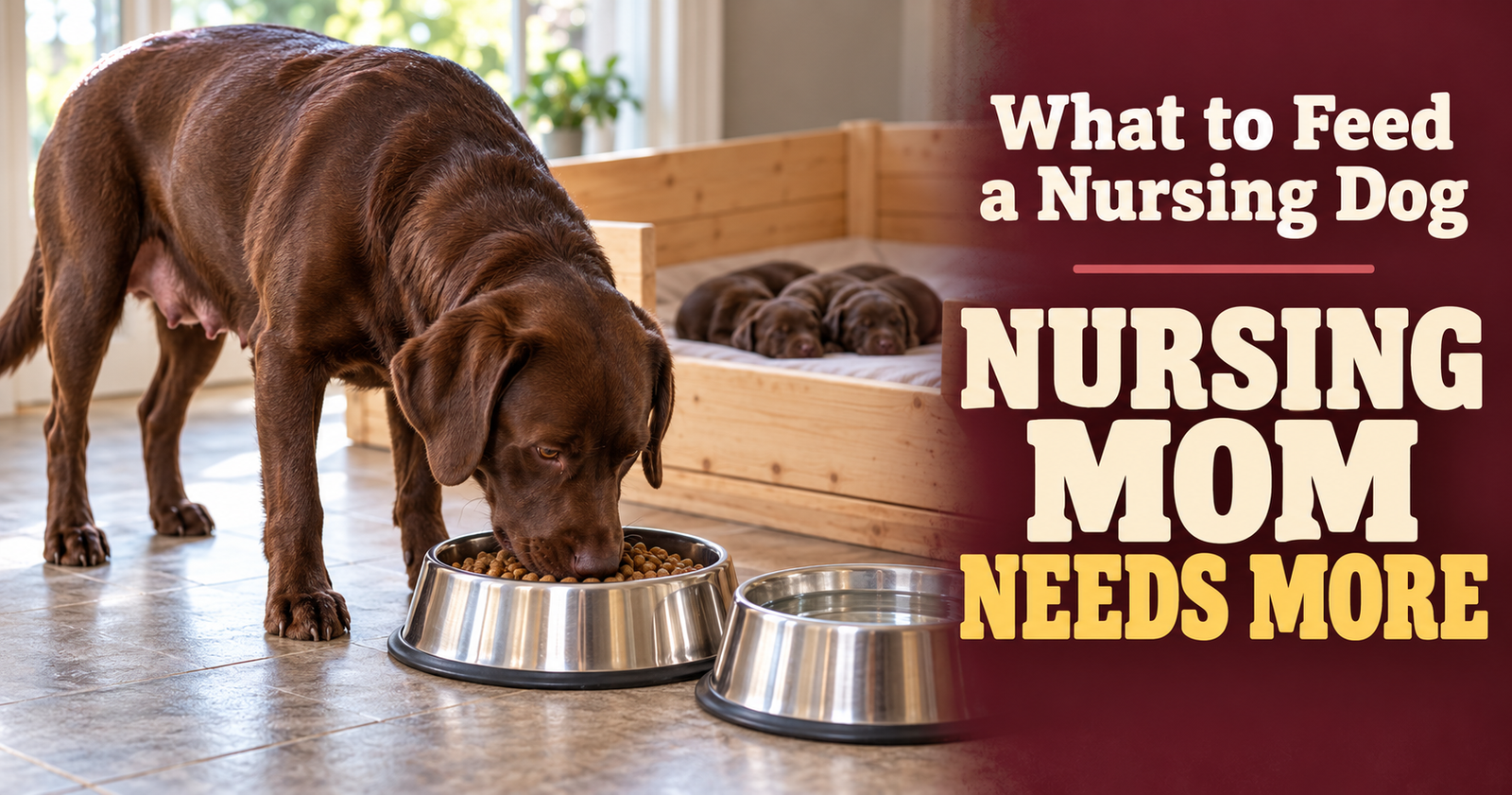
She should have fresh water available and access to a complete food appropriate for nursing.
Her needs will depend on her size, body condition, food, and litter size. Ask your veterinarian about her feeding plan rather than assuming extra supplements are necessary. A practical feeding plan for a nursing mother can help you evaluate her food, portions, water access, and changing calorie needs.
Offer brief bathroom breaks while keeping the puppies safely warm and supervised.
Watch Whether She Is Accepting the Puppies
Some mothers settle quickly. Others are nervous or unsure, especially with a first litter.
Give her a quiet environment and observe whether she lies comfortably for nursing and cleans the puppies.
If she repeatedly refuses them, won’t allow nursing, or acts aggressively toward them, contact your veterinarian promptly. The puppies need a safe care plan while the cause is addressed.
Check Her Condition Too
Don’t become so focused on puppies that you overlook a mother who is struggling.
Heavy bleeding, collapse, severe weakness, tremors, seizures, or obvious distress need urgent veterinary attention.
Call about foul-smelling discharge, painful or abnormal mammary glands, or a mother who appears ill. Some discharge after delivery is expected, but a sick mother shouldn’t be brushed off as simply tired.
If you aren’t sure she has finished delivering, call your veterinarian. Continued straining, discomfort, or concern that a puppy remains needs evaluation.
Know When a Puppy Needs Help Right Away
I want people to feel capable of caring for a litter, but there are situations where watching and waiting isn’t enough.
Call an emergency veterinarian immediately for trouble breathing, blue or gray gums or tongue, collapse, unresponsiveness, or a puppy that is cold and very weak.
Repeated inability to nurse, milk coming from the nose, or a puppy becoming noticeably weaker also needs prompt veterinary attention.
If a puppy was trapped or crushed, get veterinary guidance even after you free it. Removing the pressure doesn’t tell you whether the puppy has been injured.
Tell the clinic the puppy’s age, what happened, whether it is breathing normally, and when it last successfully nursed.
If the Mother Can’t Feed Them, Get a Feeding Plan
Orphaned puppies and puppies whose mother cannot nurse need more involved care.
Call your veterinarian promptly for a plan covering milk replacer, feeding amounts, frequency, warmth, and help with urination and bowel movements.
A commercial puppy milk replacer is generally used when replacement feeding is needed. Cow’s milk and human infant formula aren’t equivalent substitutes.
Feeding technique matters. Puppies should be supported belly-down, and milk should never be forced into their mouths. Tube feeding needs instruction from a veterinary professional.
Questions I’d Want Answered With a First Litter
Do I need to watch newborn puppies all night?
The first night deserves a supervision plan. VCA recommends checking puppies every few hours, especially with a first-time mother. A mother who is trapping puppies, a puppy struggling to nurse, or a litter recovering from complications may need much closer observation. Split care with another responsible adult when possible, and follow your veterinarian’s instructions for any puppy needing support.
Should newborn puppies stay with their mother?
When she is healthy, accepting them, and caring for them safely, remaining with her allows nursing and maternal care. If she is injuring, rejecting, or repeatedly trapping puppies, you need a safer arrangement and veterinary guidance. Separating them also means taking responsibility for their warmth and feeding.
Can a puppy suffocate under a blanket?
Yes. Loose bedding can cover or trap a puppy, and the mother may lie on top without the puppy being visible. This is why I put so much importance on flat, secure bedding and checking underneath folds. A blanket that looks cozy can still create a dangerous space.
Can I pick up a newborn puppy to check it?
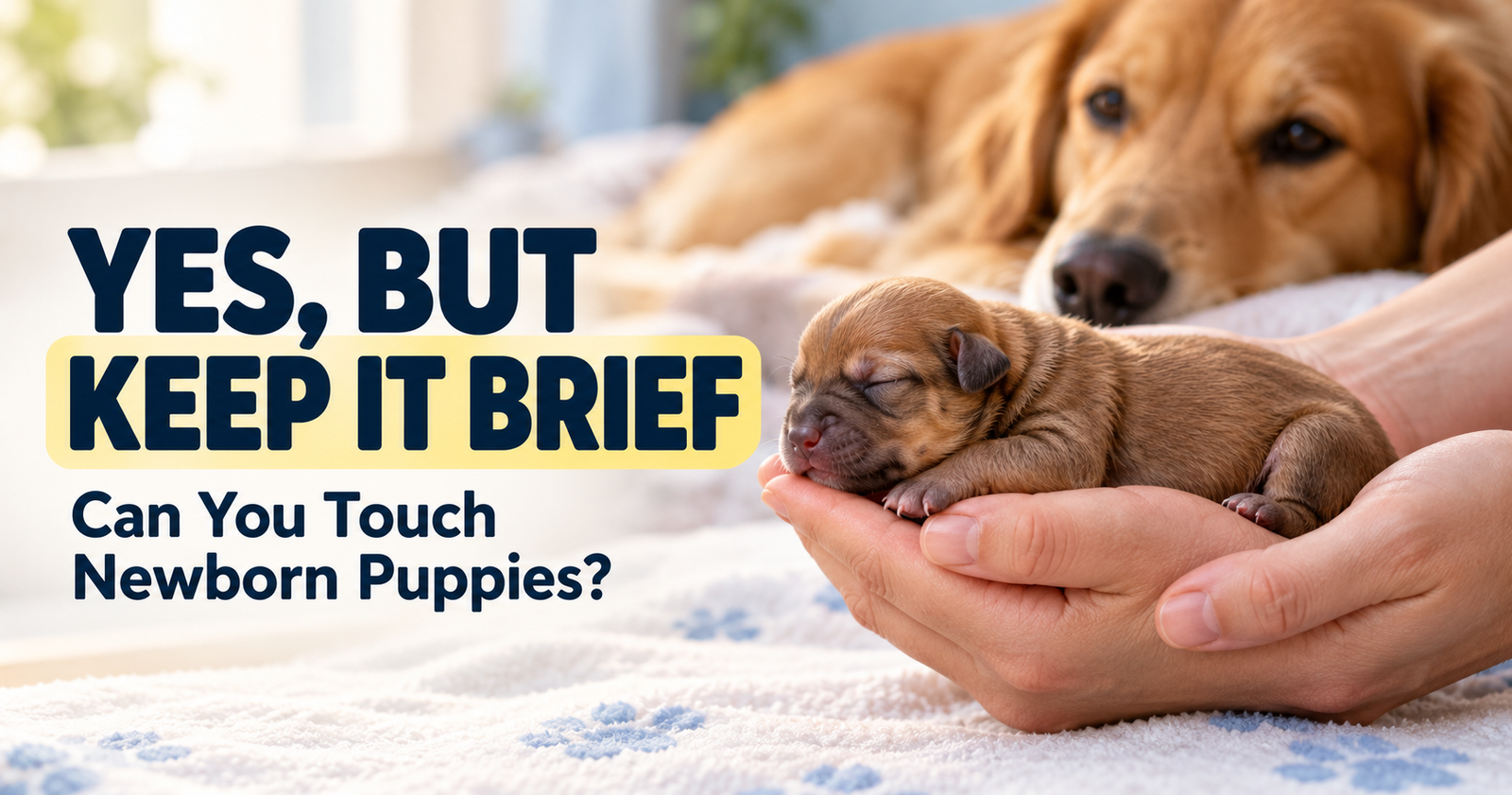
Yes, necessary gentle handling is part of caring for a litter. Wash your hands, support the puppy, keep the check brief, and return it to a safe, warm position. Pay attention to the mother’s comfort and avoid unnecessary handling by visitors.
When should the mother and puppies have their first checkup?
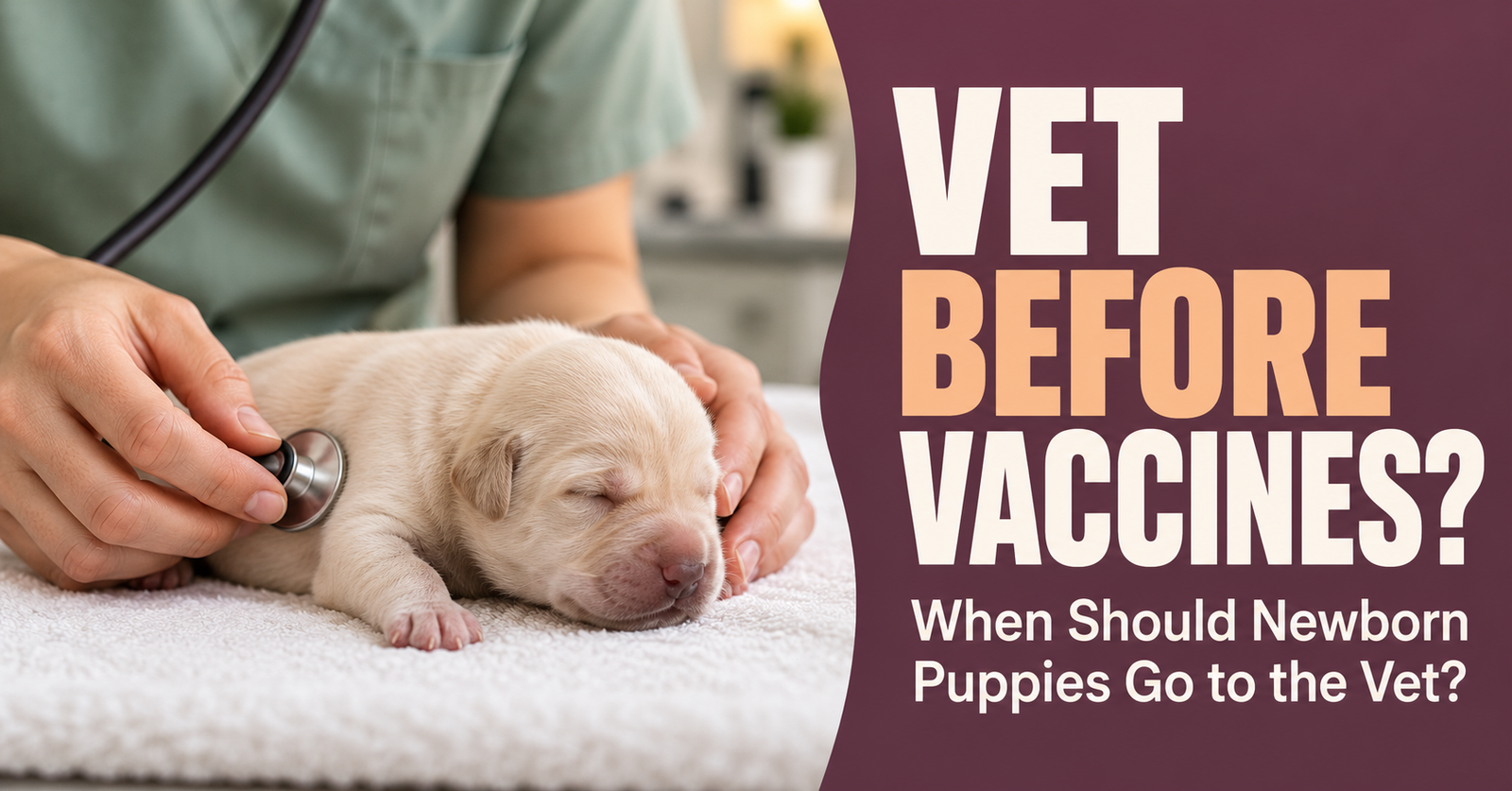
Arrange a post-birth examination with your veterinarian. VCA recommends an examination within 48 hours, although complications or concerns may require much earlier care. A scheduled appointment is never a reason to wait when a puppy or its mother is showing urgent warning signs.
Written by Breeder Assistant, sharing practical puppy-care guidance from a licensed breeder with many years of experience and 14 dogs in a small breeding program.