

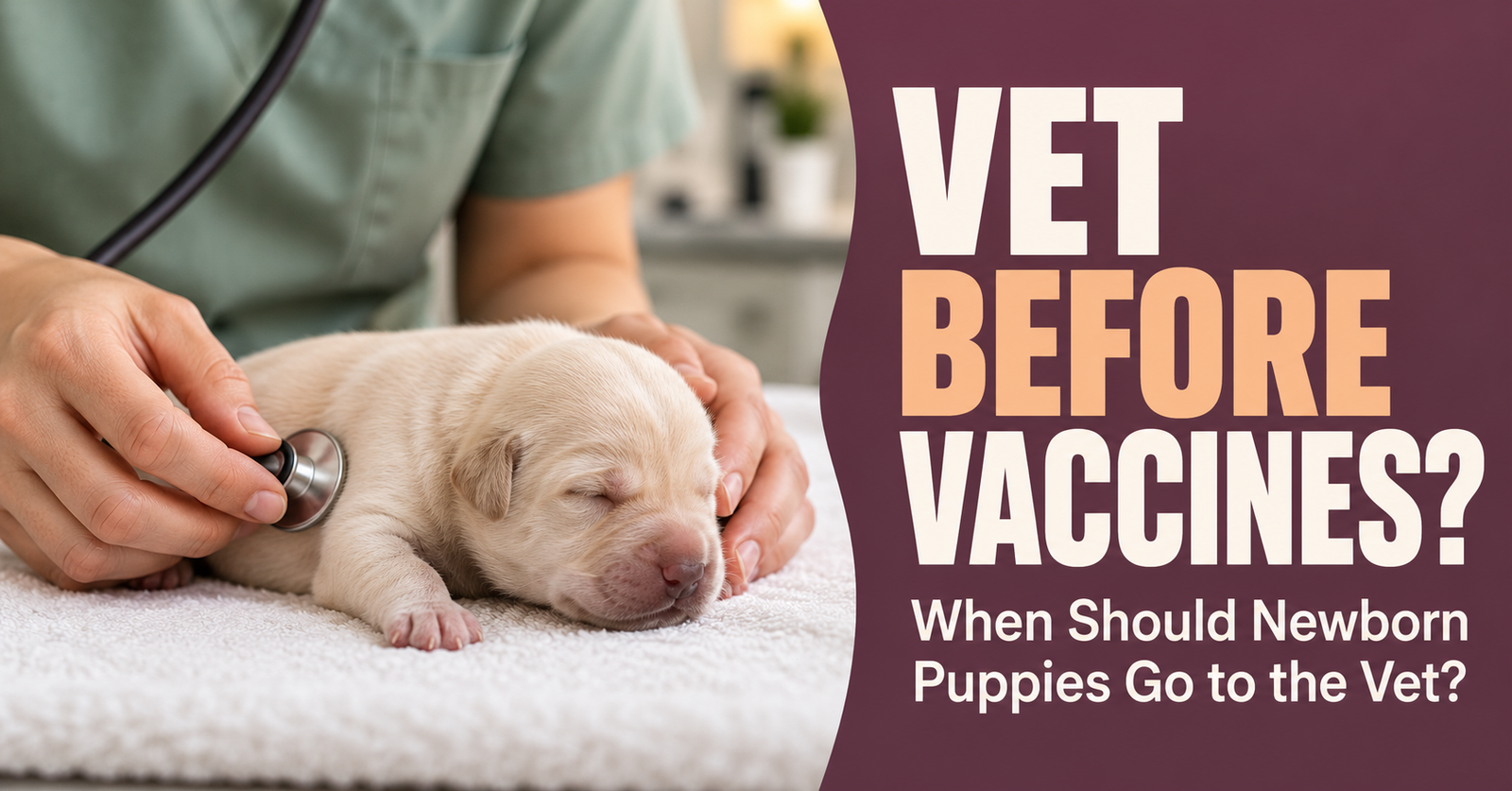
Newborn puppies should have an early veterinary examination, generally within their first 24 to 48 hours, with the timing arranged through your veterinarian. A puppy struggling to breathe, becoming cold and weak, or unable to nurse needs help sooner.
The newborn check and the first puppy vaccination visit are different appointments.
That distinction matters. Advice about taking a puppy to the vet at six to eight weeks often refers to routine puppy wellness care and the start of vaccinations. It doesn’t mean a newborn litter should wait that long for an examination.
I’m a licensed breeder with 14 dogs total and many years of experience. I put a lot of attention on puppies eating, staying warm, and settling comfortably. Veterinary care belongs alongside those daily observations, especially when something isn’t going right.
Plan an Early Check for Mom and the Puppies
Call your veterinarian when the litter arrives and confirm the plan.
VCA recommends having the mother and puppies examined within 48 hours of birth. Merck’s veterinary guidance describes a complete newborn examination within the first 24 hours after natural delivery.
Those recommendations give you an early window to discuss with your clinic.
They aren’t a reason to wait when a puppy is already struggling.
Ask Before Delivery When Possible
If the litter is planned, discuss the post-birth examination before the due date.
Ask who to call after hours and whether your regular clinic handles newborn emergencies.
An unexpected litter is different, of course. If the puppies are already here, call now and explain their ages and how mom and the litter are doing.
Tell the Clinic About the Birth
Mention whether delivery was difficult, whether a C-section was performed, and whether any puppy needed help afterward.
Also explain if you aren’t sure the mother has finished delivering.
Those details can change how urgently the clinic wants to see them.
Include the Mother
This shouldn’t become an appointment where everyone focuses on puppies and forgets the dog feeding them.
The mother’s recovery, nursing ability, appetite, and comfort matter.
A problem affecting her can affect the whole litter.
Why Six to Eight Weeks Isn’t the Same Answer
Search for a puppy’s first vet visit and you’ll often see six to eight weeks.
That advice usually describes the beginning of routine puppy wellness visits and vaccination planning.
VCA gives that age range for puppy health examinations and initial vaccinations. Newborn litter guidance addresses a different stage.
Newborn Examination
This checks the puppies soon after birth and gives the veterinarian an opportunity to assess mom.
Later Puppy Wellness Visit
This includes age-appropriate preventive care, growth checks, and vaccination planning.
Urgent Visit
This happens whenever a puppy or its mother shows concerning signs.
A scheduled appointment doesn’t protect a puppy that needs help today.
What Does the Vet Check in Newborn Puppies?
A newborn examination looks for problems that may not be obvious when you’re watching a litter nurse and sleep.
Some concerns are visible. Others require a proper examination.
Mouth and Palate
The veterinarian checks for abnormalities such as a cleft palate that could interfere with feeding.
Milk coming from the nose or repeated nursing difficulty should be reported promptly.
Breathing and Heart
The examination includes assessing breathing and listening to the chest.
A puppy’s appearance alone doesn’t tell you everything about its heart or lungs.
Umbilical Area and Body Openings
The vet checks the navel and whether the urinary and anal openings appear normal.
They also examine the limbs, skin, and overall body.
Strength and Nursing Ability
The puppy’s responsiveness and ability to suck are important.
Merck includes these checks among the components of an early neonatal examination.
A good examination gives you a starting point. It doesn’t replace watching how each puppy progresses afterward.
What Should You Watch Before the Appointment?
From my experience, hungry or cold puppies often cry.
Warm puppies that have eaten and settle quietly are usually giving you an encouraging sign.
But each puppy still needs attention.
Confirm That Every Puppy Nurses
Don’t assume the whole litter ate because several puppies are underneath mom.
Watch the one that keeps searching, slipping off, or getting pushed away.
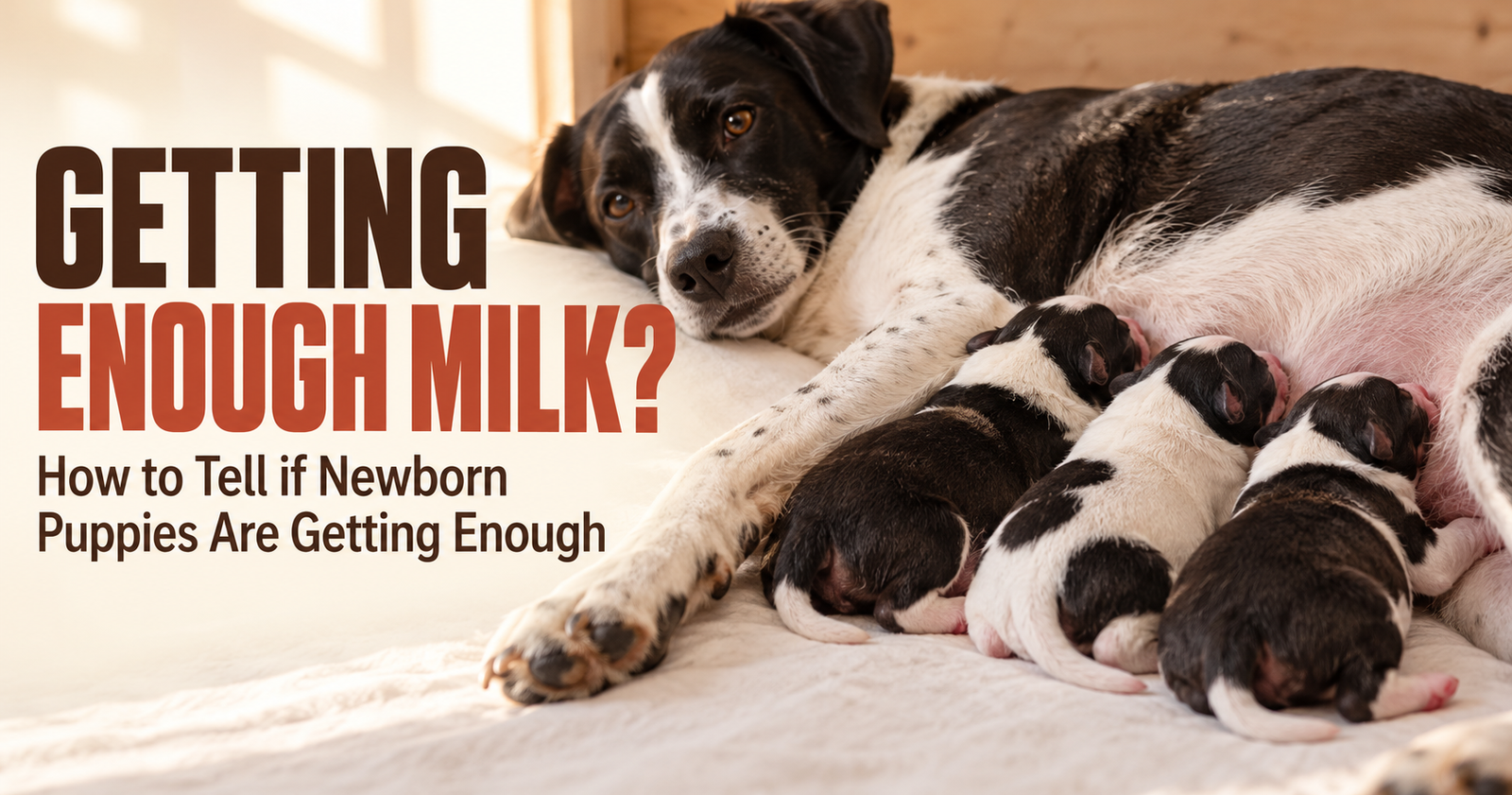
My guide to recognizing enough milk intake explains how feeding behavior and weight records fit together.
Keep Them Warm
A puppy that becomes chilled can weaken quickly.
Check conditions where the puppies lie, including damp bedding and drafts.
Don’t assume being indoors means the puppy area is appropriate.
Account for Every Puppy
Check beneath bedding folds and along the edges of the box.
From my experience, a puppy can become trapped underneath a fluffy blanket or pinned against a wall when mom lies down.
If you free a trapped puppy and it seems injured, weak, or abnormal, contact your veterinarian immediately.

Which Signs Mean You Shouldn’t Wait?
Breathing trouble, collapse, unresponsiveness, or blue or gray gums or tongue requires emergency veterinary care.
A cold, very weak puppy or one repeatedly unable to nurse also needs immediate veterinary guidance.
Don’t wait for the clinic to open tomorrow without first contacting an emergency service.
Persistent Crying That Doesn’t Resolve
A little squeaking when mom moves is different from a puppy that keeps crying and cannot settle.
Check warmth, feeding, and position.
If the problem continues, call.
Weakness or Poor Feeding
A puppy that becomes too weak to feed may also become quiet.
Quiet is usually reassuring when it goes with successful nursing, warmth, and appropriate responsiveness. It isn’t reassuring when a puppy is limp or barely reacting.
Weight Loss or Lack of Progress
Keep individual records and report concerns promptly.
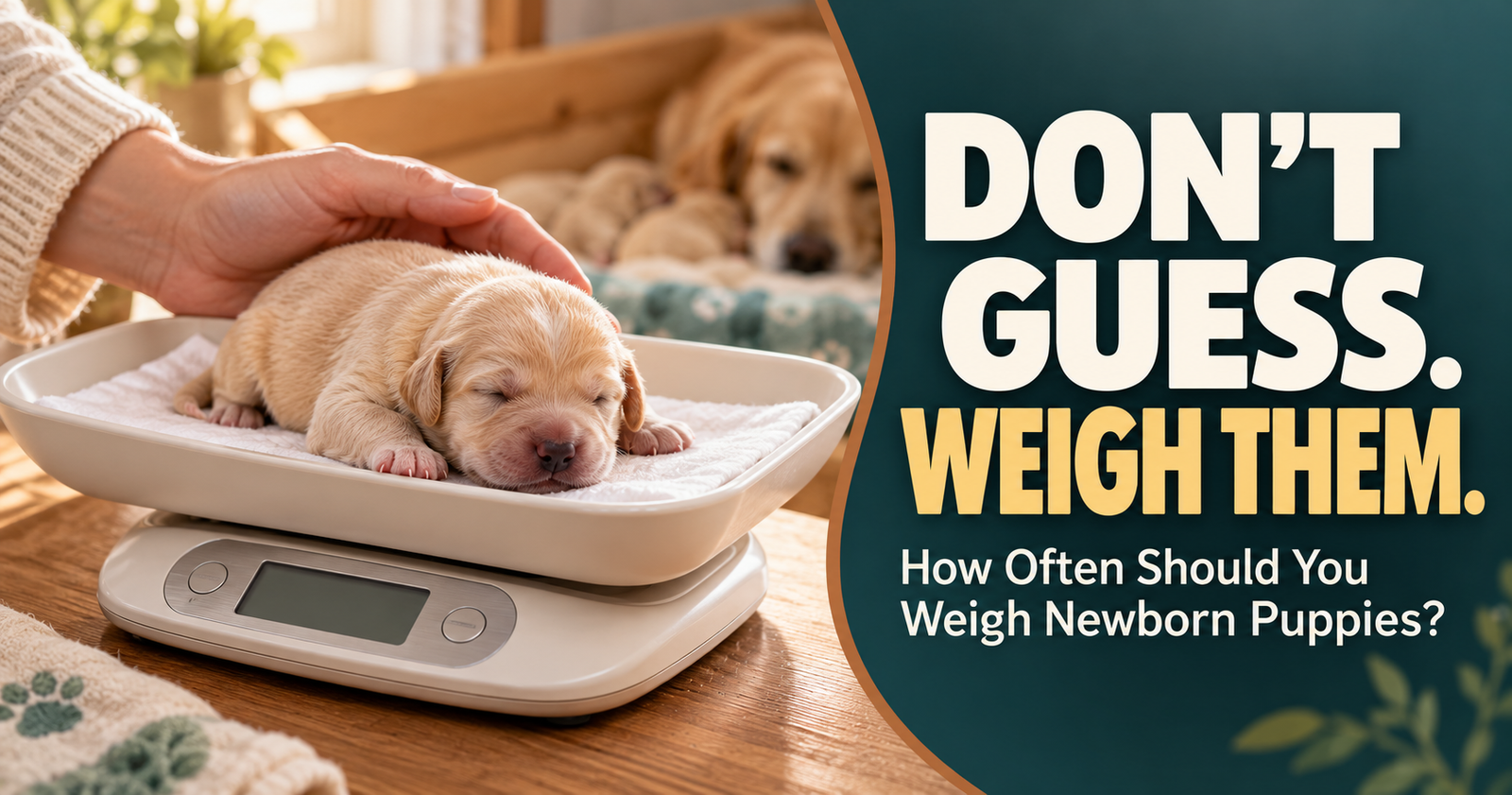
My article on weighing newborn puppies explains how to collect useful measurements without keeping puppies away from their warm space.
Milk From the Nose
Stop any bottle feeding and call your veterinarian.
Don’t keep trying to finish the meal or assume a different nipple will solve it.
The clinic needs to assess the feeding problem.
Mom May Need Urgent Help, Too
A litter can look comfortable while the mother is having a problem.
Watch her as an individual, just as you watch each puppy.
Call About Pain or Illness
Painful, swollen mammary glands, abnormal milk, foul-smelling discharge, or a mother appearing ill needs prompt veterinary attention.
Don’t dismiss every change as normal recovery.
Treat Severe Signs as an Emergency
Heavy bleeding, collapse, seizures, or marked weakness requires immediate care.
Tremors, stiffness, or an unsteady walk in a nursing mother also needs urgent veterinary assessment.
Mention Refusal to Nurse
The puppies need a feeding plan while the cause is addressed.
Don’t wait through repeated missed feeds hoping the mother will change her mind.
Call Before Loading the Litter Into the Car
Tell the clinic you have newborn puppies.
Explain whether the appointment is routine or whether someone is struggling.
That gives staff a chance to advise you about transport and where to go on arrival.
Ask Whether Mom Should Come
For an early post-birth examination, the mother usually needs assessment too.
Follow the clinic’s instructions about bringing her and the whole litter, particularly if only one puppy appears unwell.
Ask About Home Visits
Some practices can examine a litter at home. Others cannot.
It’s reasonable to ask, but don’t delay needed treatment while searching for that option.
The Royal Kennel Club describes home examinations as one possible approach to early litter care.
Ask How to Reduce Exposure
Newborn puppies don’t need to sit on a waiting-room floor.
Ask whether you should wait in the car, use a particular entrance, or keep the litter in its carrier until staff are ready.
Follow the clinic’s disease-prevention instructions.
Keep Transport Warm, Secure, and Simple
The trip shouldn’t introduce a new problem.
Use a secure, ventilated carrier or container with flat, dry bedding. Arrange appropriate restraint for the mother separately as advised by the clinic.
Avoid Loose Blanket Piles
Puppies can disappear under folds.
Use bedding that lets you see and account for each puppy.
Manage Warmth Carefully
Ask the clinic how to maintain warmth during the trip.
Don’t place puppies directly against hot objects or assume a heating pad cannot burn through bedding.
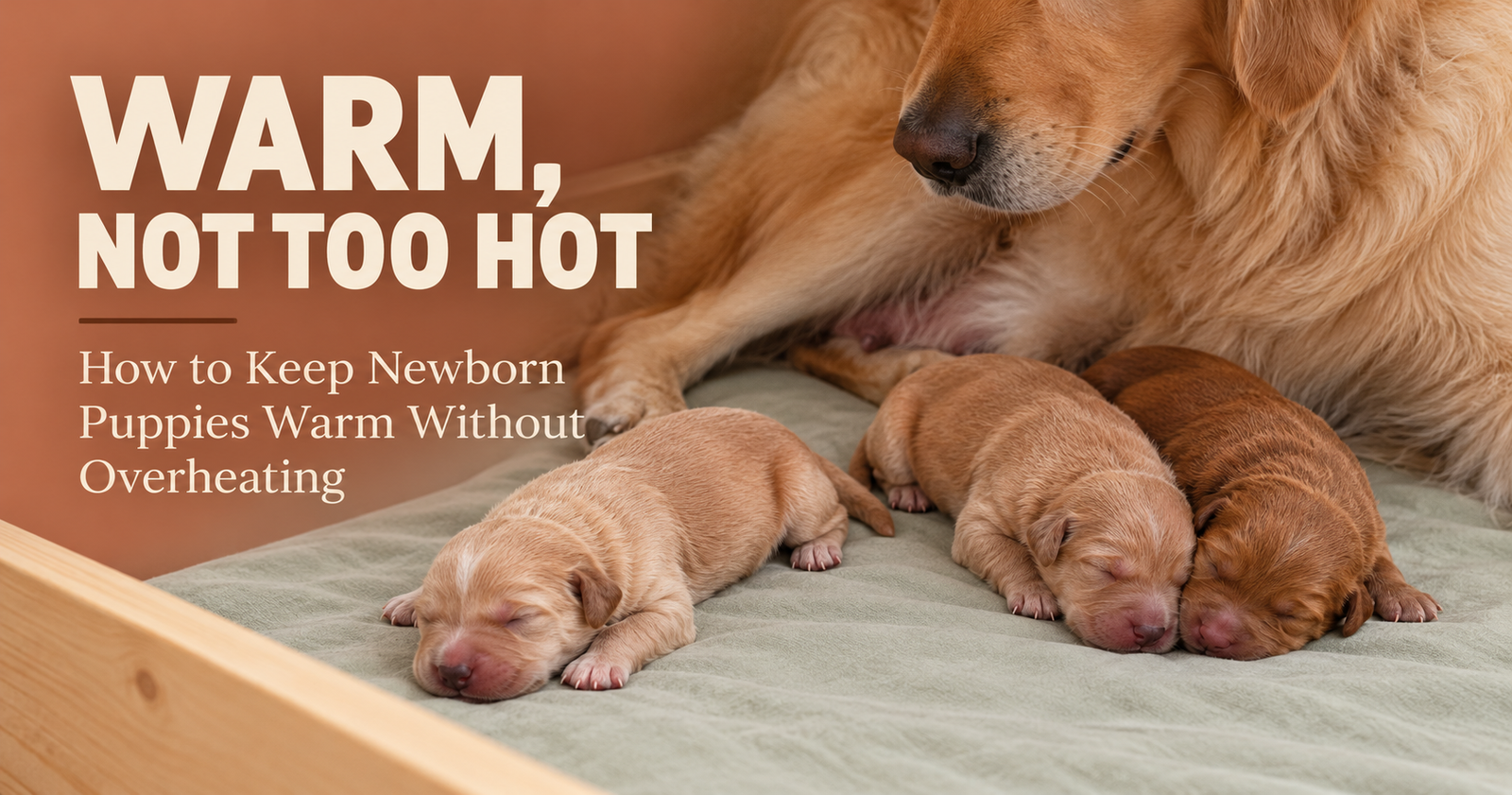
My newborn puppy warmth guide covers the balance between maintaining warmth and avoiding overheating.
Secure the Carrier
A passenger should not be responsible for catching a sliding box every time the car turns.
Keep the container stable and ventilated.
If another adult comes along, they can help observe the litter while the driver focuses on driving.

Bring Information the Vet Can Use
You don’t need a beautifully printed binder.
Accurate details matter more.
Birth Date and Approximate Times
Record when labor began, when puppies arrived, and anything unusual about delivery.
If you don’t know an exact time, say so.
Puppy Identification
Use the same number or description throughout the records.
“That smaller dark puppy” can become confusing when several look alike.
Individual Weights
Bring the starting weight and subsequent measurements with dates and times.
Don’t rely on a litter average.
Feeding Observations
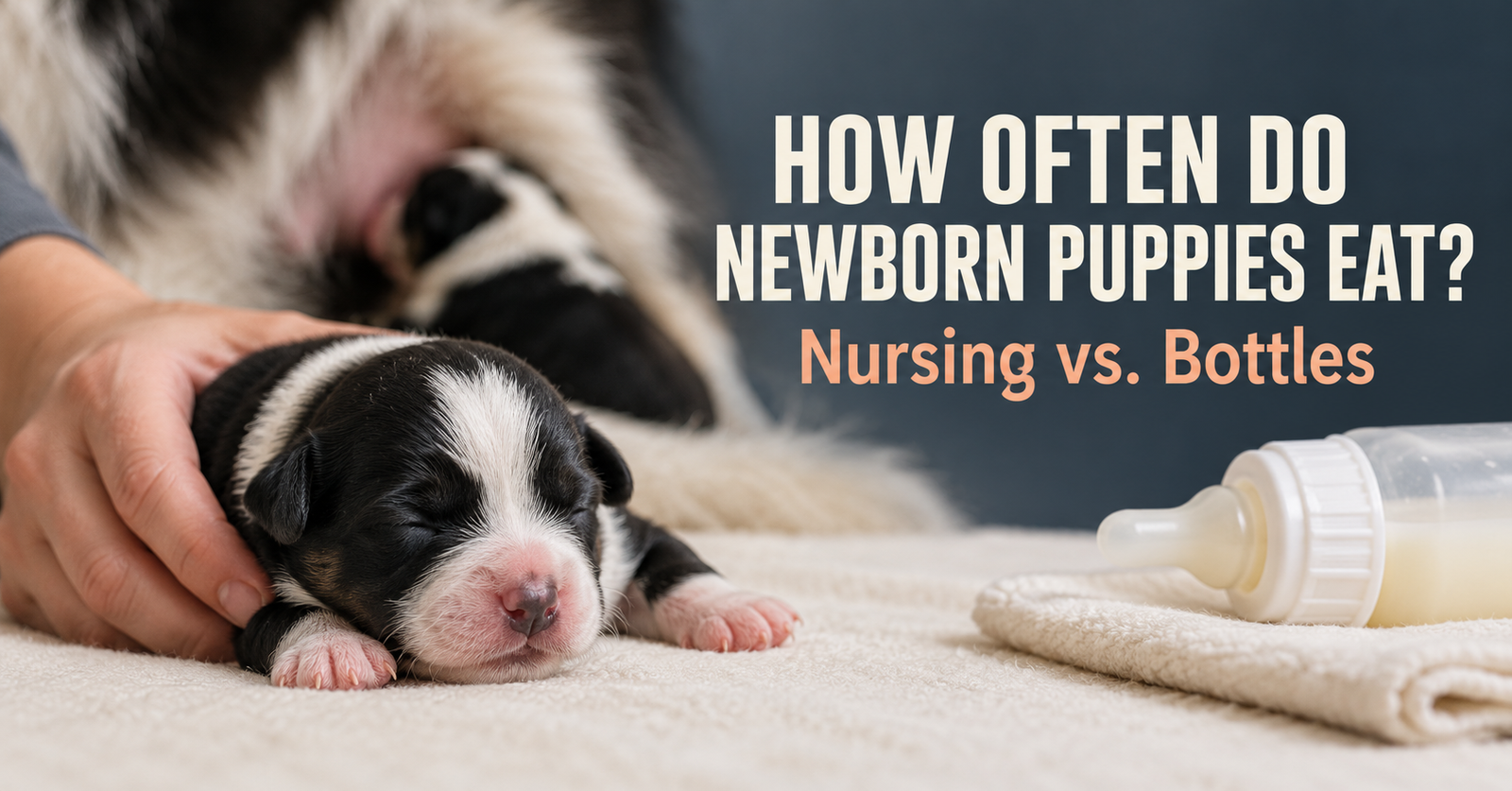
Explain whether the puppy nurses with mom, receives bottles, or needs help latching.
For bottle feeds, record the product, preparation method, and amount actually taken.
Anything Given to Mom or Puppies
Bring names and amounts of medications, supplements, or other products used.
The veterinarian needs the real information, even if you aren’t sure a product helped.
Put the Next Appointment Into Your System Before You Forget
Once the immediate examination is finished, there may be follow-up checks, care instructions, and later litter appointments to organize. A calendar can help you keep those follow-up checks and care tasks connected to the right puppy or litter; see organizing litter appointments for a practical approach.
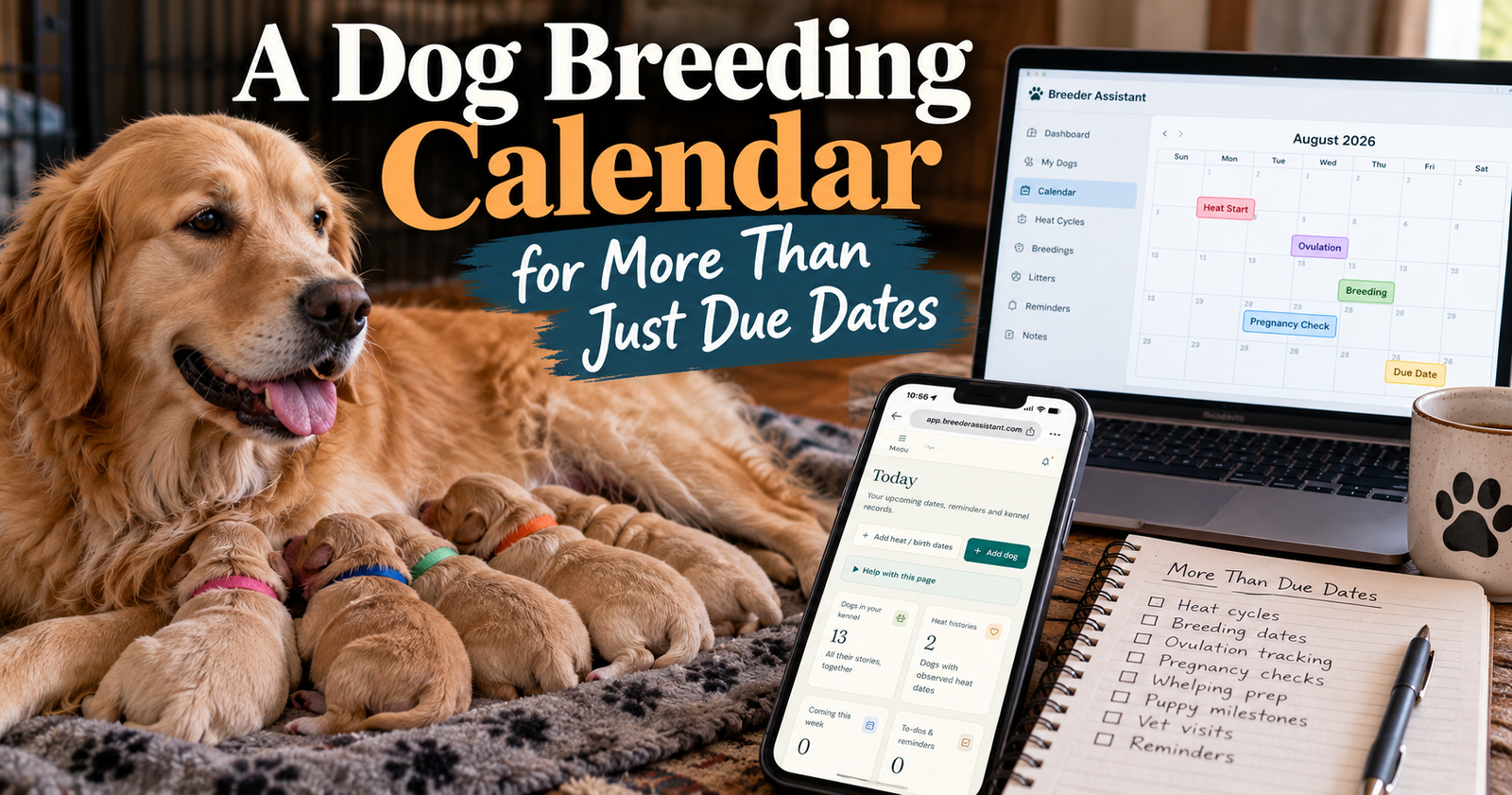
That is where dates can start getting scattered.
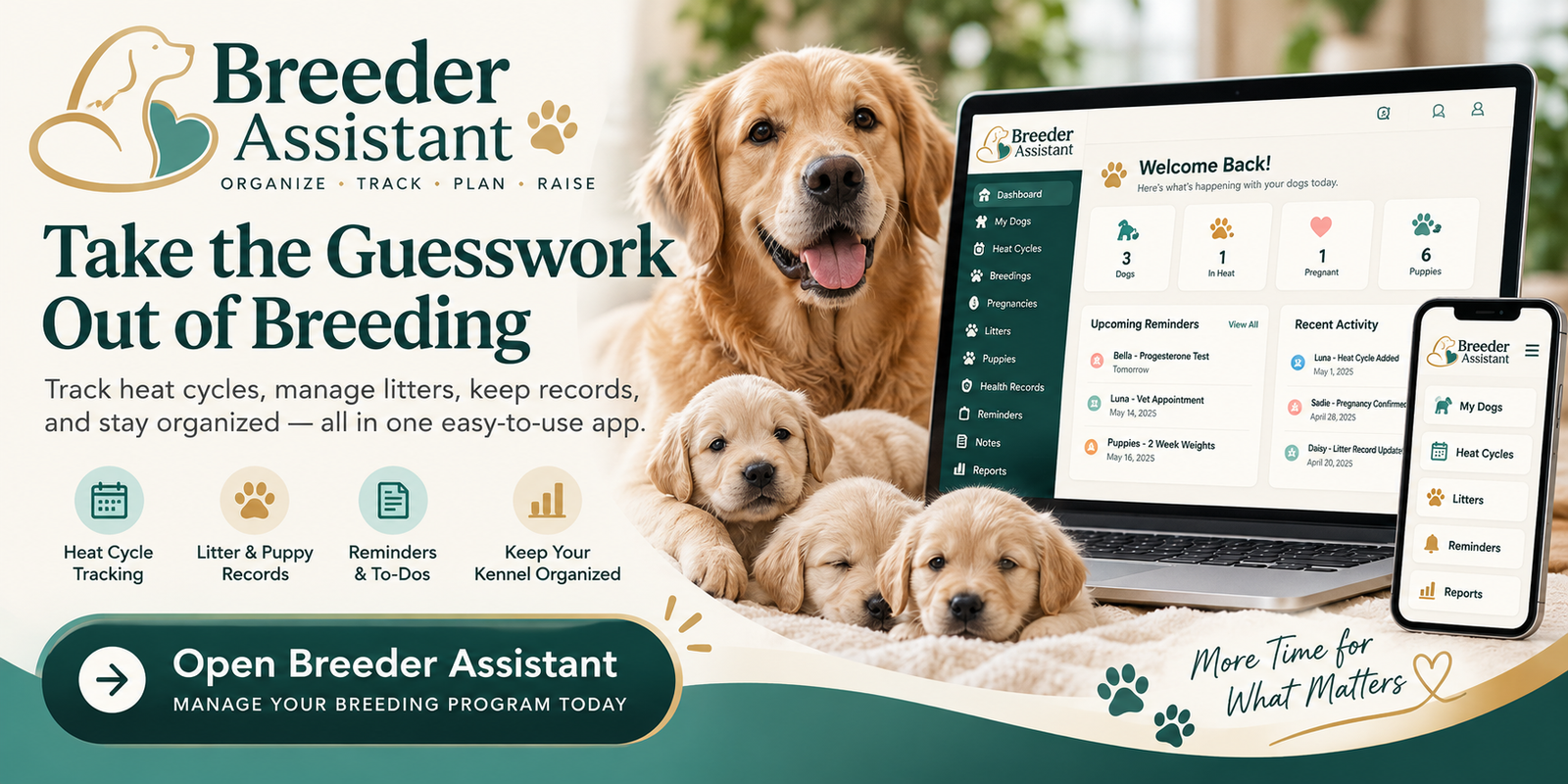
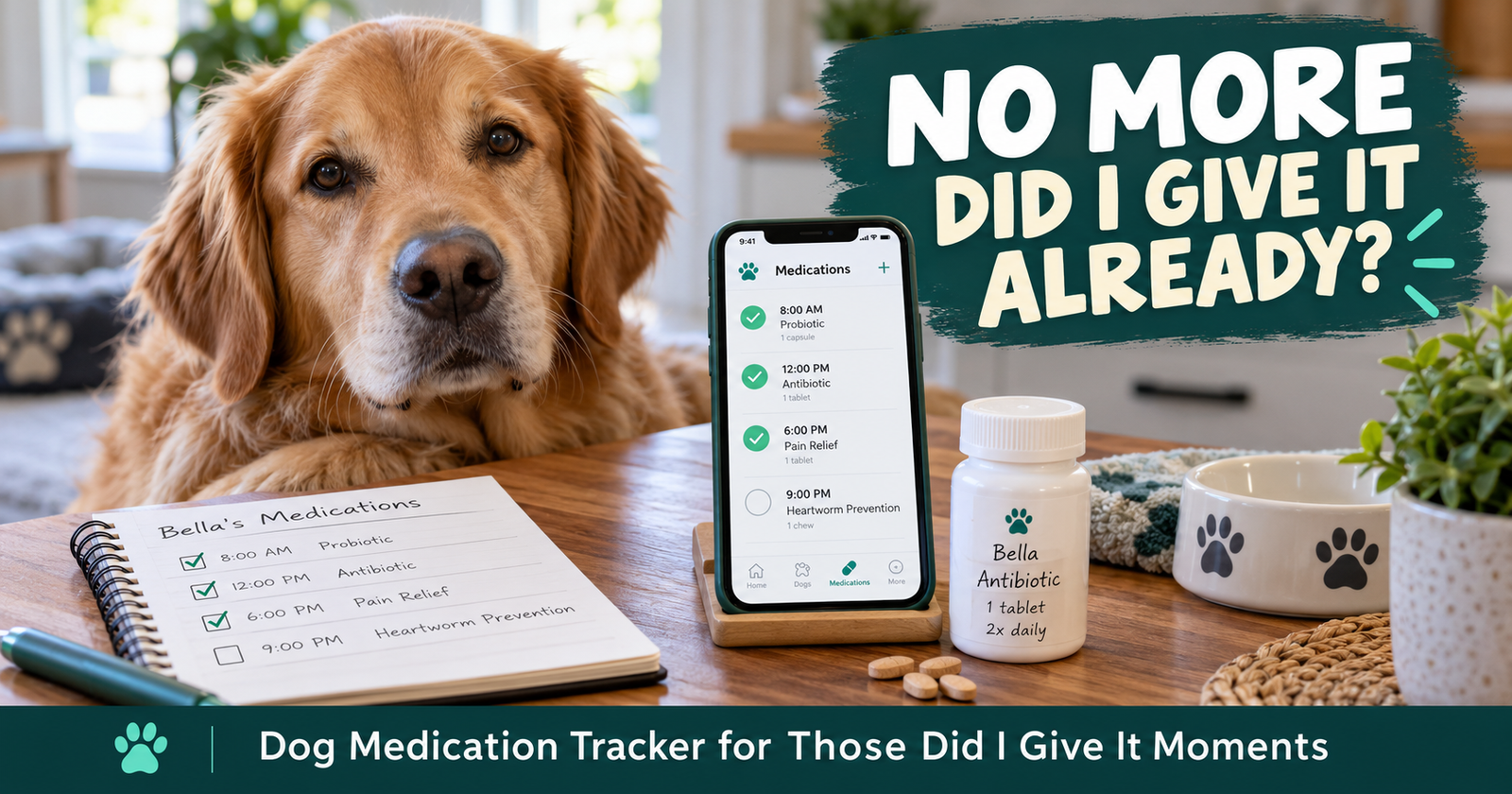
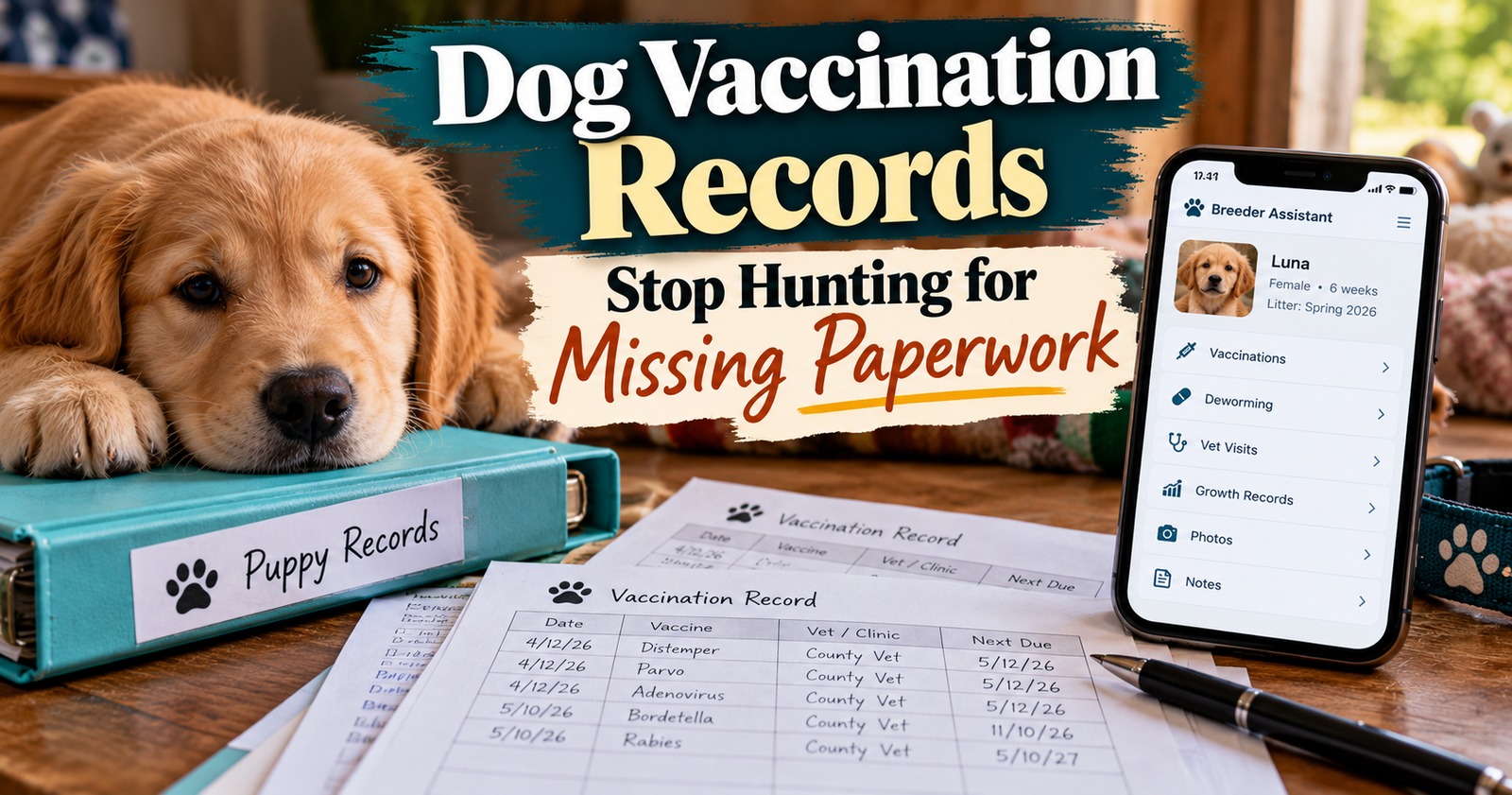
Breeder Assistant helps keep puppy appointments and reminders connected to their records, alongside identifying details and notes.
Add the date your veterinarian actually recommends, then record the instructions against the right dog or puppy. A consistent system for record the instructions clearly can help keep veterinary timing and follow-up details attached to the correct puppy.

You shouldn’t have to sort through messages to remember which puppy needed another check.
Use a Reminder to Prepare, Too
An appointment reminder helps you remember the visit.
A separate preparation reminder can prompt you to gather weight records, confirm transport, or call about the clinic’s instructions.
Keep the timing based on your care plan rather than treating an app-generated date as medical advice.
When Do Puppy Vaccinations Begin?
For many puppies in ordinary pet settings, initial combination vaccinations begin around six to eight weeks, with further doses scheduled by the veterinarian.
AAHA guidance describes a puppy vaccination series rather than one injection providing complete protection.
Don’t Confuse the Examination With a Shot Appointment
An early newborn examination does not mean the litter receives routine puppy vaccines at birth.
The vet decides what care is appropriate for their age and circumstances.
Ask for the Whole Preventive Plan
Discuss examinations, vaccinations, parasite control, and any recommended testing.
Don’t use one generic internet schedule to choose every product and date.
Keep Actual Dates and Products Recorded
Record what was given, when, and by whom.
That information needs to stay with the individual puppy and eventually reach its new owner accurately.
Questions About Newborn Puppy Vet Visits
Do puppies need an early check if the birth went smoothly?
An uncomplicated birth is encouraging, but an examination can identify concerns you may not notice at home. Arrange the early check with your veterinarian and continue observing mom and each puppy afterward.
Should I wait until their eyes open?
No. Eye opening isn’t the milestone used to decide whether newborns need an early examination or urgent care. Follow the post-birth plan, and call sooner for problems.
Can the vet examine the puppies at home?
Possibly. It depends on the practice, location, equipment needed, and the condition of the mother and litter. Ask your clinic, but don’t let the search for a home visit delay urgent treatment.
What if only one puppy seems unwell?
Call promptly and describe that puppy’s symptoms. Ask whether to bring the mother and litter as well. One puppy struggling doesn’t automatically mean every puppy has the same problem.
Can I wait for the next weight check before calling?
Not if the puppy is weak, cold, having trouble breathing, or unable to nurse. Measurements help explain a concern; they shouldn’t delay care for an obviously unwell puppy.
Written by Breeder Assistant, sharing practical guidance from a licensed dog breeder with many years of experience and 14 dogs total in a small breeding program.