
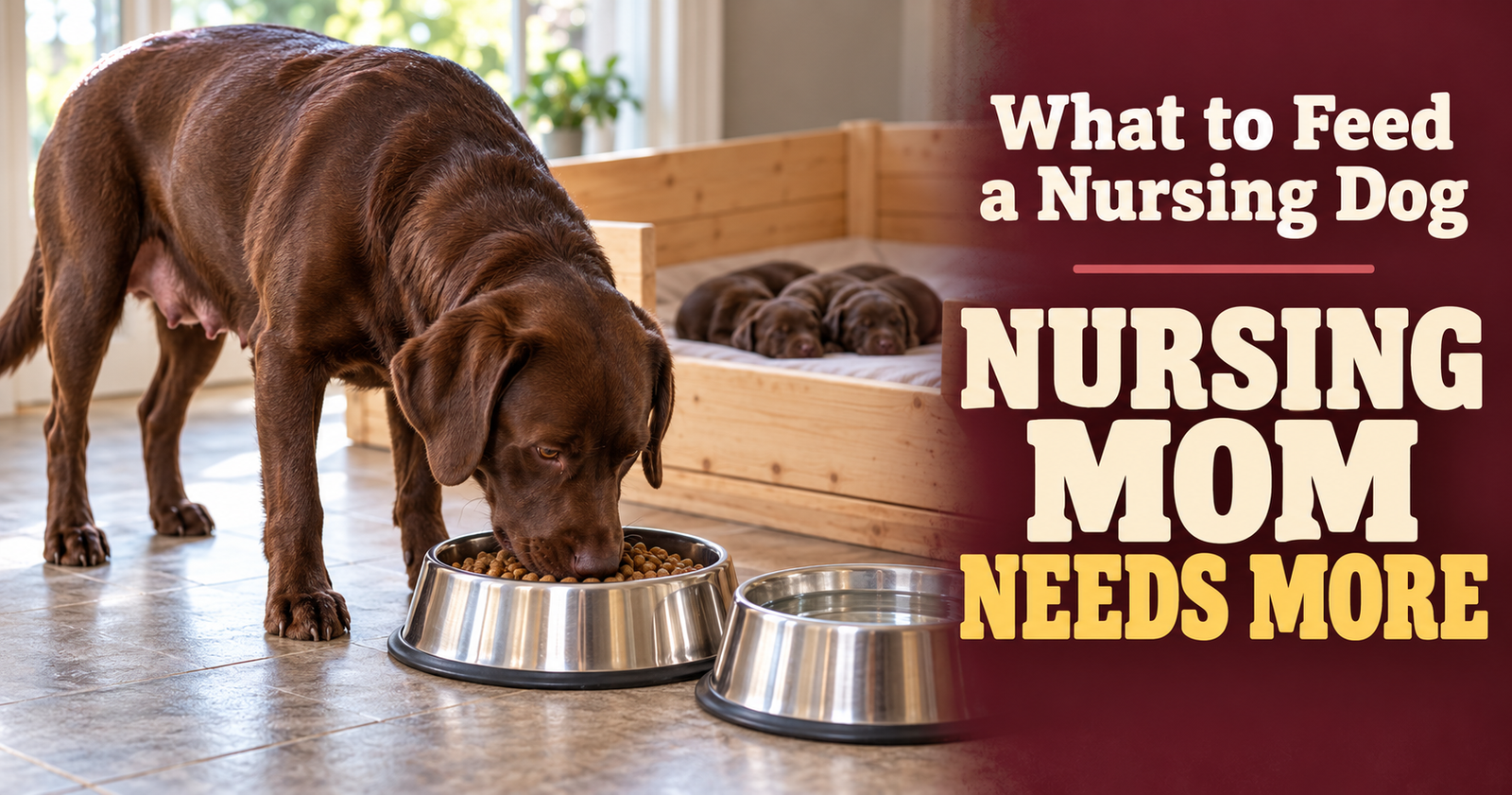
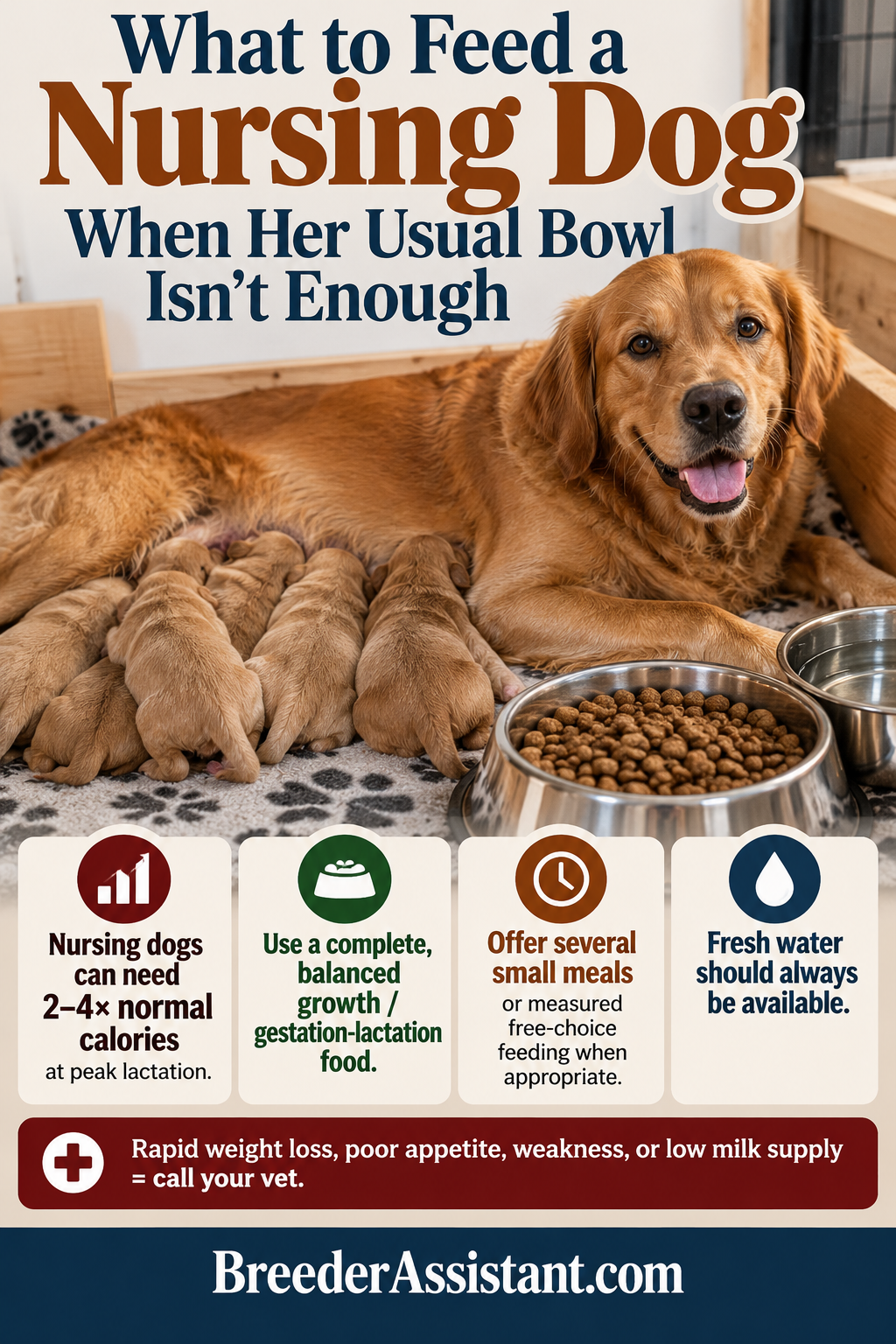
A nursing dog needs a complete, balanced food suitable for pregnancy and lactation, plenty of fresh water, and enough calories to support herself while producing milk. An appropriate puppy or all-life-stages food often fits that job, but check the nutritional statement and feeding guidance rather than choosing by the front of the bag alone.
Her regular adult-maintenance portion may no longer be enough.
I’m a licensed breeder with 14 dogs total and many years of experience. When I talk about newborn care, I put a lot of attention on puppies eating, staying warm, and settling comfortably. Warmth is another essential part of helping newborn puppies settle, so see this guide to newborn puppy temperature care.
But mom belongs in that picture, too.
The puppies need milk. Their mother needs the nutrition and water to help produce it without losing too much condition herself.
Start With a Food Made for the Job
Nursing is a demanding stage.
A food suitable for an ordinary adult dog isn’t automatically suitable for a mother feeding a litter.
Look for a complete, balanced diet with a nutritional adequacy statement covering gestation and lactation or all life stages. Ask your veterinarian to confirm that the particular formula is appropriate.
Puppy Food Is Often an Option
Puppy diets are generally more nutrient-dense than adult-maintenance diets.
That can help a nursing mother get more nutrition without having to eat an enormous volume.
However, “puppy food” covers different formulas. Merck specifically recommends growth diets not formulated for large- and giant-breed puppies during lactation, even when the mother is a large dog. Have your vet check the product rather than assuming a large-breed puppy formula is the best fit for her.
Check the Nutritional Statement
Words such as “premium,” “natural,” or “high protein” don’t tell you whether a food meets a nursing dog’s needs.
The nutritional adequacy statement is more useful.
A food labeled only for adult maintenance deserves a closer look before it becomes the main diet for a nursing mother.
Avoid Changing a Suitable Diet Without a Reason
If she is already eating an appropriate food and doing well, the arrival of puppies doesn’t mean you need to start over.
Ask about adjusting the amount and feeding routine first.
If a change is needed, transition gradually when circumstances allow and follow your veterinarian’s advice.
How Much Should a Nursing Dog Eat?
There isn’t one cup amount that works for every mother.
Her size, body condition, food’s calorie content, litter size, and stage of nursing all affect what she needs.
A dog nursing two puppies and a dog nursing eight aren’t doing the same amount of work.
Needs Often Rise as the Puppies Grow
The biggest demands don’t necessarily arrive on the first day.
Milk production and calorie needs rise as the puppies grow. Purina Institute places peak milk production around three to four weeks after birth.
That’s why a portion that seemed adequate early on may need adjustment later.
Some Mothers Need Several Times Their Usual Calories
VCA notes that a mother may need roughly two to four times normal adult calories during peak demand, depending on the litter.
That is a broad range, not an instruction to immediately quadruple every dog’s bowl.
Use the food’s feeding guidance and your veterinarian’s plan as a starting point.
Then monitor the mother and puppies.
Cups Aren’t Equal Between Foods
One cup of one formula may contain considerably more calories than a cup of another.
If you switch foods, don’t assume the same scoop gives the same amount of energy.
Check calories per cup or per can, and measure consistently.

Several Meals or Food Available Throughout the Day?
Several smaller meals can make a large daily intake easier to manage.
For some nursing dogs, leaving appropriate food available works well. Others need a more structured routine based on their health, eating behavior, or household setup.
Both approaches still require knowing what she actually consumes.
Measure What You Offer
If you leave food available, measure the starting amount and any additions.
Check what remains.
A bowl that looks full all day doesn’t tell you whether she ate enough, particularly when someone else may be topping it up.
Keep Other Dogs Out of Her Food
In a home with multiple dogs, it’s easy to lose track of who ate what if bowls are shared.
Give the nursing mother her own feeding area near her litter.
That also protects her quiet space.
Don’t Let “Free Feeding” Mean Ignoring Appetite
Food being available and food being eaten are different things.
A sudden change in appetite deserves attention, even if you haven’t noticed a change in her appearance yet.
Keep Fresh Water Close By
Milk production increases a mother’s water needs.
She should have easy access to clean drinking water without needing to leave her puppies for long.
Put the Bowl Somewhere Safe
Keep it within easy reach of mom, but positioned so puppies cannot crawl into it.
Use a stable bowl that is difficult to tip.
A spill can leave the bedding wet and the puppies chilled.
Check More Than Once
An empty bowl is easy to overlook when everyone is focused on the litter.
Refill it and clean it regularly.
Don’t restrict drinking water to manage milk production or make weaning easier.
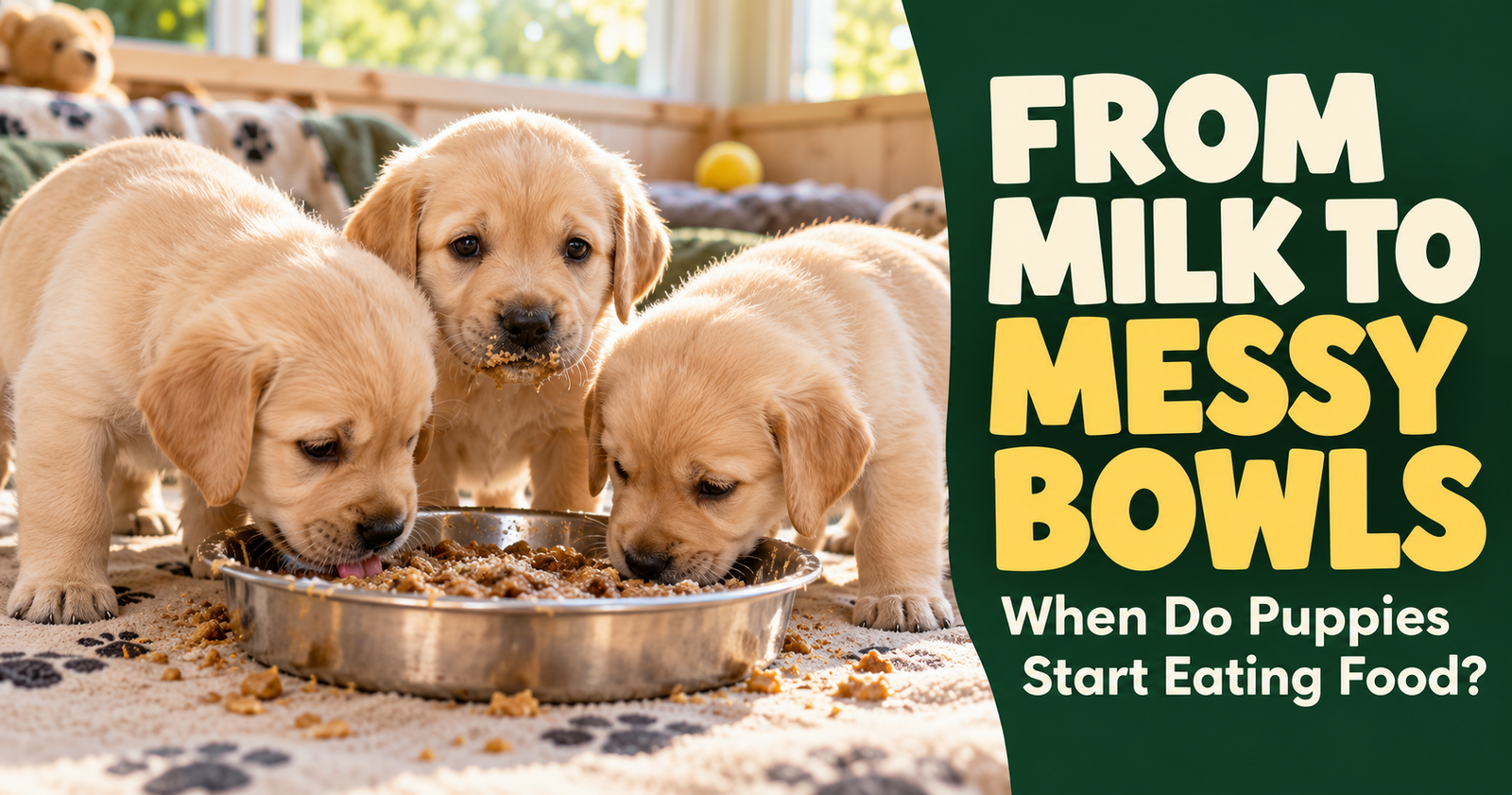
Can a Nursing Dog Eat Wet Food?
Yes, if the food is complete, balanced, and appropriate for lactation.
Dry food, wet food, or a combination can work. The formulation and total intake matter more than whether it comes in a bag or a can.
Count Both Foods
If you mix wet and dry food, include both when considering daily calories.
A little wet food added to encourage eating still contributes to the total.
Handle Moistened Food Carefully
If you add warm water to kibble, prepare manageable portions and follow safe food-handling guidance.
Don’t leave damp food sitting in a warm whelping room all day.
Wash bowls and replace uneaten portions appropriately.
Does She Need Chicken, Eggs, or Other Extras?
I wouldn’t build a nursing diet around a collection of extras.
Plain cooked foods may sometimes be used in small amounts with veterinary guidance, but they shouldn’t crowd out the complete diet.
More Meat Doesn’t Automatically Mean Better Nutrition
A diet heavy in meat can still be unbalanced.
Protein is only one part of what a nursing dog needs.
Calcium, phosphorus, energy, vitamins, and other nutrients need to work together. Merck notes that high-meat diets can create mineral imbalances.
Don’t Create a Homemade Main Diet by Guessing
If you want a home-prepared diet, have it formulated for lactation by a board-certified veterinary nutritionist.
A recipe that sounds wholesome isn’t necessarily complete for a mother supporting a litter.
What About Milk or “Milk-Boosting” Foods?
A mother doesn’t need to drink cow’s milk to make milk for her puppies.
I’d focus on appropriate food, water, nursing access, and the health of the mother and litter.
A special snack shouldn’t distract from a problem that needs examination.
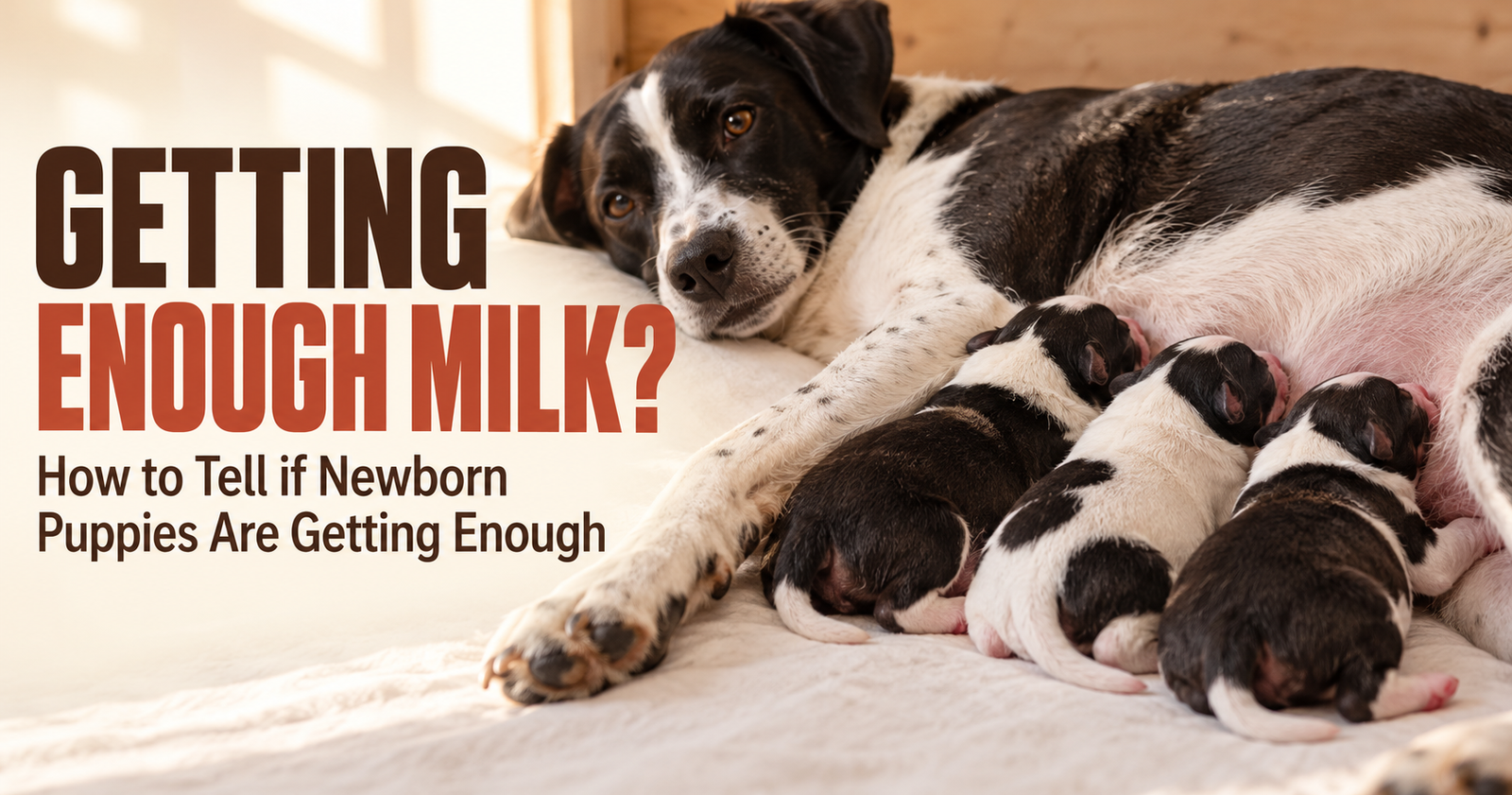
Look at the Puppies, Too
Are they nursing effectively?
Do they settle afterward?
Are their individual weights progressing?
My guide to signs puppies are getting enough milk explains how to put those observations together.
More Food Won’t Fix Every Nursing Problem
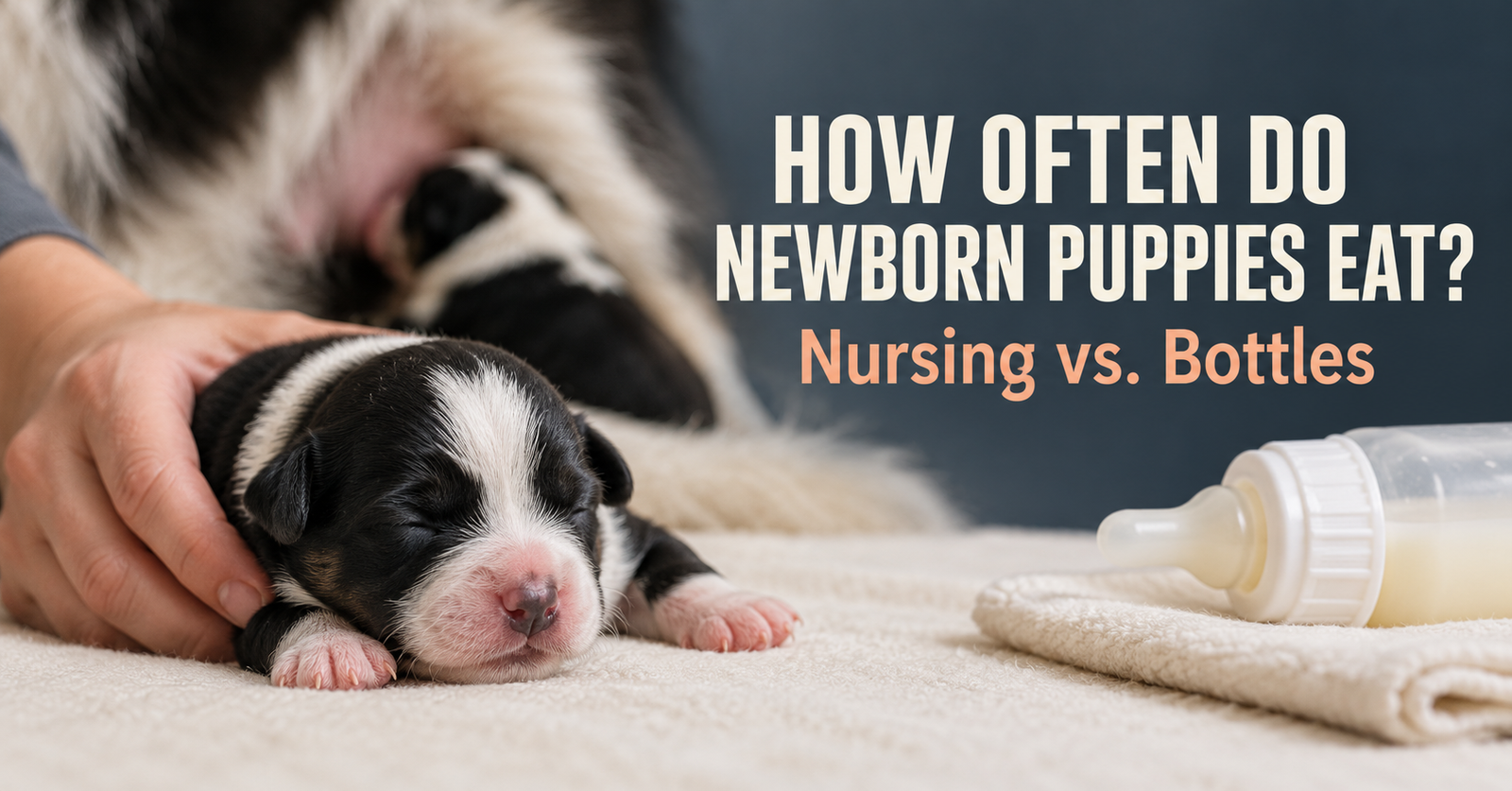
If puppies aren’t getting enough milk, the cause may involve intake, milk production, nursing access, illness, or an individual puppy’s ability to feed. Review help when puppies are not feeding for ways to assess nursing, supplementation, and bottle-feeding needs.
Don’t keep trying different foods while a puppy becomes weaker.
Get the mother and puppies assessed when feeding isn’t working.
Should You Give a Nursing Dog Calcium?
Don’t start a calcium supplement without veterinary guidance.
Calcium matters during lactation, but the decision to supplement depends on the dog and her medical situation.
A complete diet and a veterinary plan are different from adding calcium “just in case.”
Pregnancy and Lactation Aren’t the Same Situation
Merck warns that unnecessary calcium supplementation during pregnancy can predispose a dog to eclampsia during lactation.
Some nursing dogs may need prescribed supplementation, particularly with a relevant medical history. That is a decision for the veterinarian managing her care.
Know the Emergency Signs
Eclampsia is a dangerous drop in blood calcium.
Tremors, stiffness, an unsteady walk, disorientation, or seizures in a nursing mother require immediate veterinary attention.
Don’t try to treat those signs by offering dairy products or waiting for an oral supplement to work.

Watch Her Body Condition, Not Just the Empty Bowl
A mother can eat eagerly and still struggle to meet her needs.
Look at her condition over time.
Some weight drops immediately after delivery because she is no longer carrying the puppies and associated fluids. That is different from continued loss of muscle and body condition while nursing.
Notice Changes Before They Become Extreme
Pay attention if her ribs, spine, or hip bones become increasingly prominent.
Ask your vet to show you how to assess body condition, especially if her coat makes changes difficult to see.
Don’t Assume Weight Loss Is Simply Part of Nursing
Raising a litter takes energy, but substantial or continuing loss deserves attention.
She may need a more energy-dense food, more intake, or an examination for another problem.
A good appetite doesn’t rule out inadequate nutrition or illness.
What if She Doesn’t Want to Eat?
A mother may have a reduced appetite immediately after whelping.
Still, don’t automatically dismiss refusal to eat as normal.
AKC advises contacting a veterinarian if the mother isn’t eating within 24 hours after delivering her last puppy. Call sooner if she appears ill, weak, painful, or otherwise abnormal.
Make Eating Easy
Offer her food in a quiet place close to the litter.
A mother reluctant to leave her puppies may be more willing to eat nearby.
Keep the area calm rather than repeatedly introducing new foods and people.
Call About Other Changes
Vomiting, significant diarrhea, painful mammary glands, foul-smelling discharge, marked weakness, or an abrupt change in behavior needs veterinary advice.
Collapse, seizures, or breathing difficulty requires emergency care.
Don’t wait through repeated missed meals when other warning signs are present.
Keep Mom’s Care Notes With the Litter Details
Feeding changes become harder to follow when several people help.
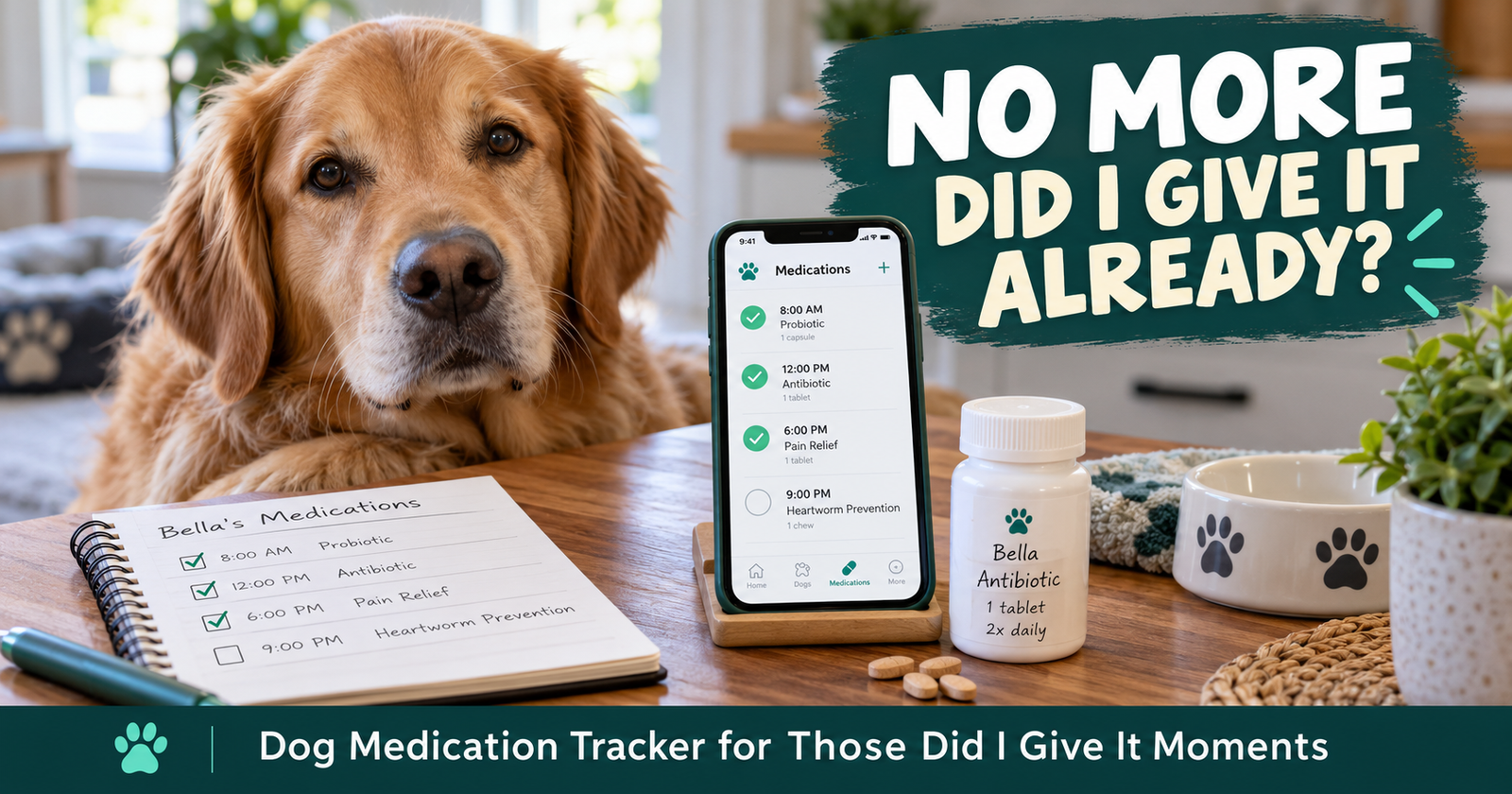
Write down the food, approximate daily intake, and any meaningful changes in appetite or condition.
Keep your veterinarian’s instructions easy to find.
Give Yourself Less to Remember
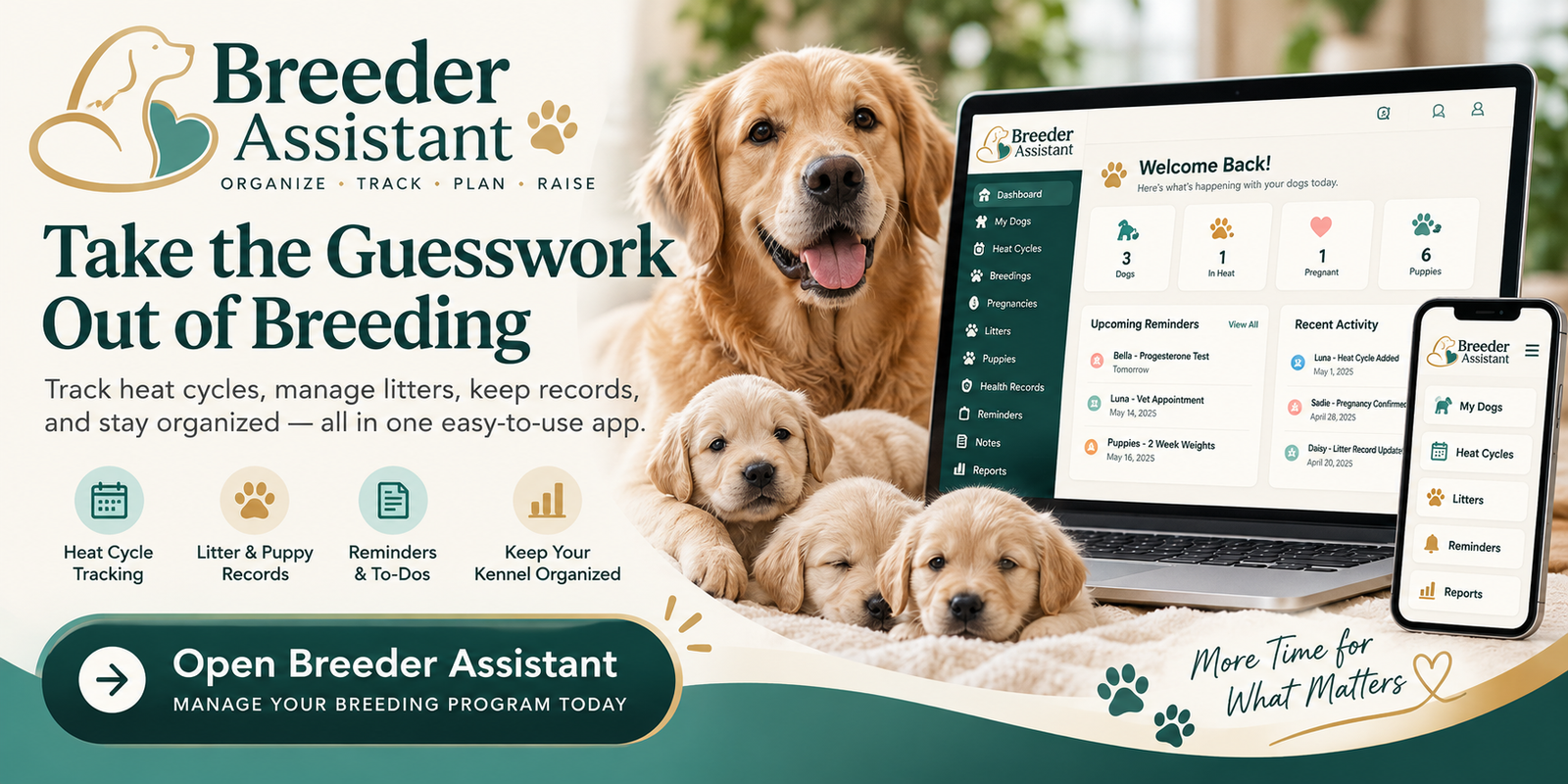
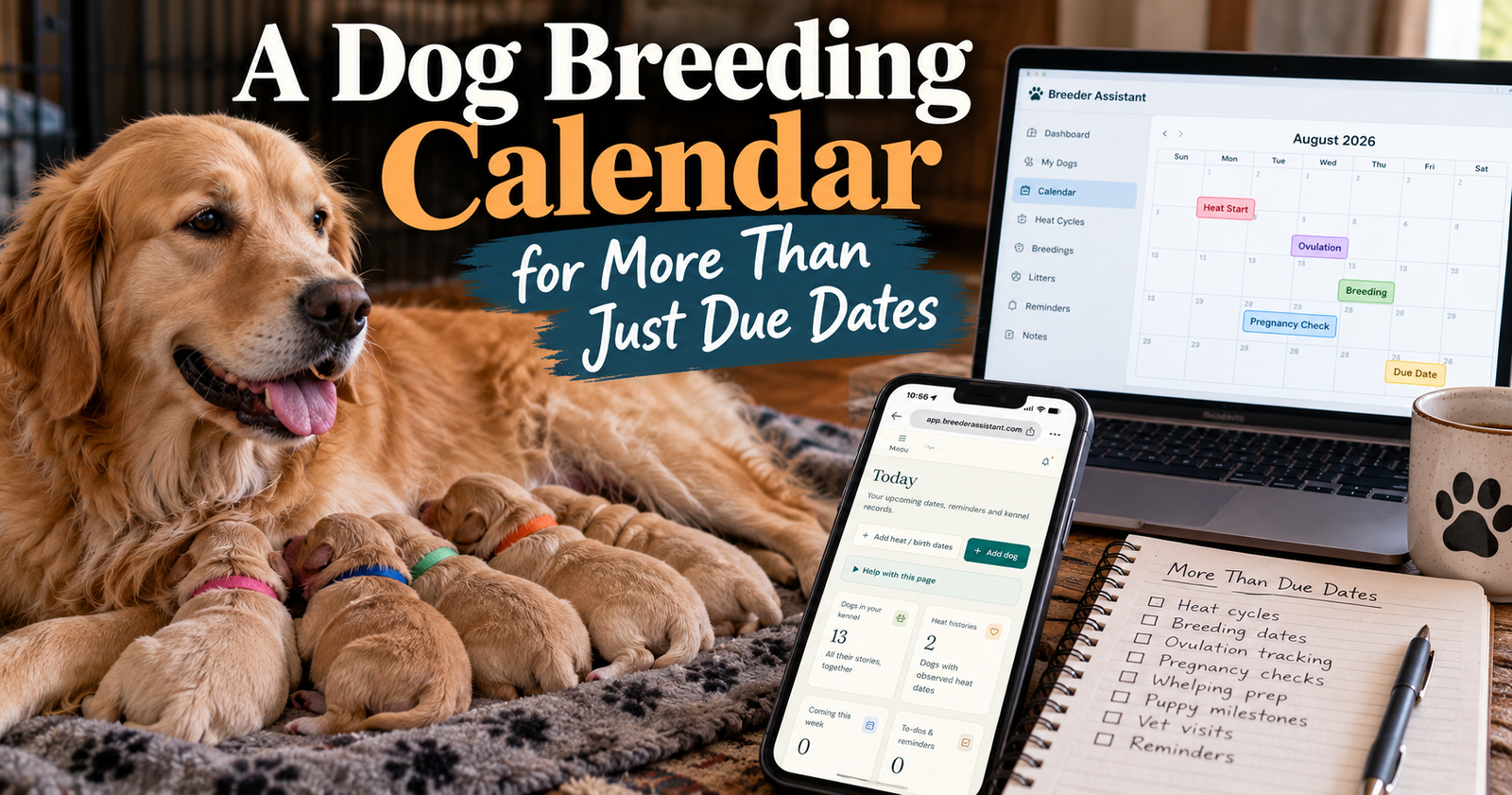
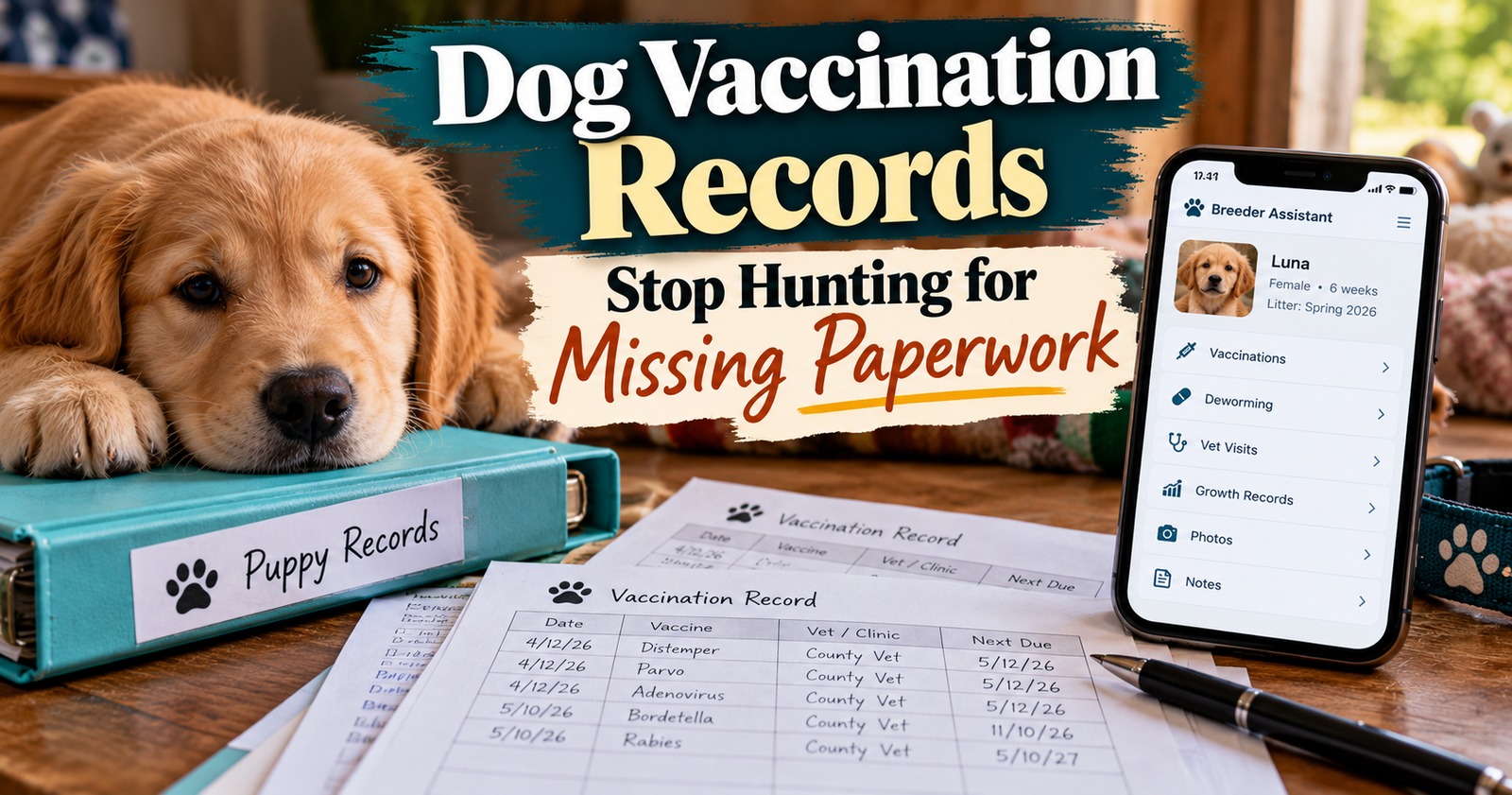
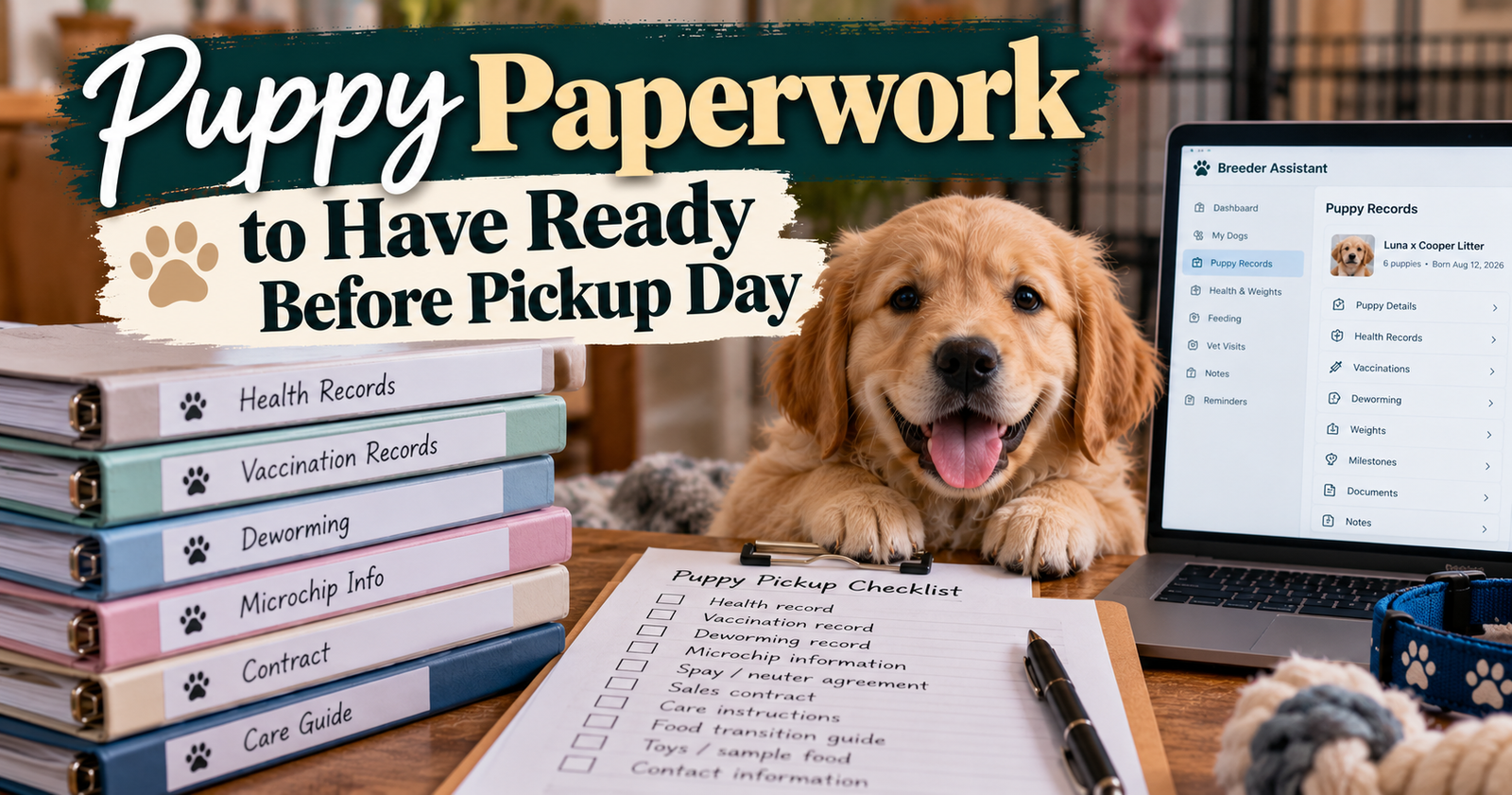
Breeder Assistant helps keep dog and litter details organized, with notes and related appointments and reminders.
Use the mother’s record for her care instructions and follow-up dates instead of leaving those details scattered through messages and scraps of paper. The FAQ outlines how to maintain organized dog care records, including health details and reminders.
The benefit is simple: when something changes, you can find the history and explain it clearly.
Keep Puppy Growth Records Alongside Mom’s Care
A mother’s feeding plan and her puppies’ progress belong in the same conversation.
If several puppies stop progressing, that is useful information for her veterinarian.
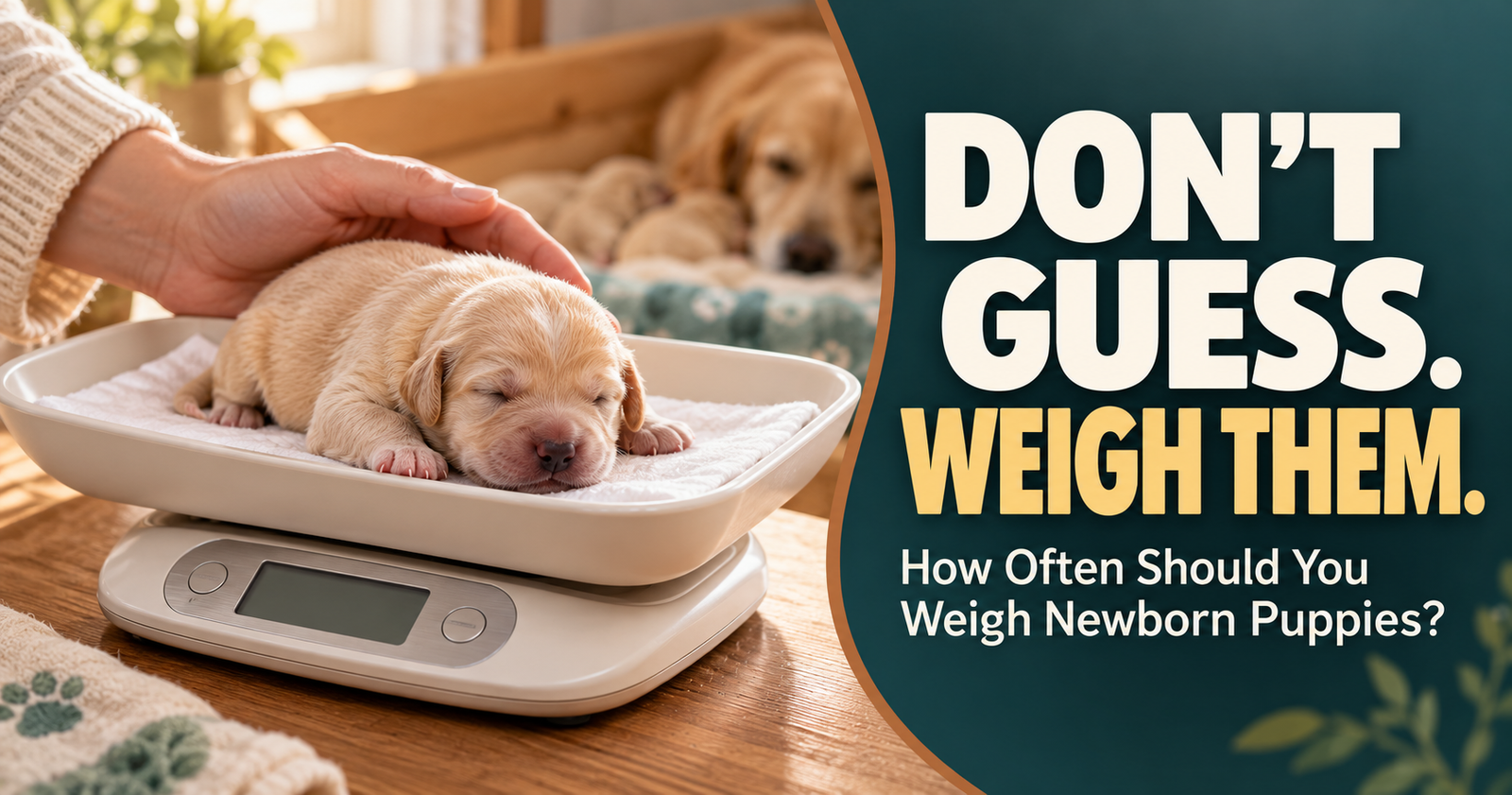
My newborn puppy weighing article explains how to build a useful individual record.
Adjust Food Gradually as Weaning Progresses
The mother’s needs change as puppies begin eating more food and relying less on milk.
Don’t keep feeding peak-lactation amounts indefinitely.
But don’t suddenly cut her back to her old portion while she is still heavily nursing, either.
Follow Actual Demand
Watch how much the puppies nurse, what they eat, and how mom’s condition changes.
VCA recommends adjusting intake as weaning progresses and transitioning back toward maintenance feeding after the puppies are weaned.
Keep Water Available
Food adjustments during weaning should not mean withholding water.
Ask your veterinarian for a gradual plan if she is producing heavily, has painful glands, or has had nursing complications.
Questions About Feeding a Nursing Dog
Can she stay on the same food she ate during pregnancy?
Often, yes, if it is complete, balanced, appropriate for lactation, and meeting her needs. The amount may need adjustment as milk demand increases. Have your veterinarian check the actual formula.
Is dry food enough, or does she need canned food?
An appropriate dry diet can provide complete nutrition. Canned food isn’t automatically necessary. Choose the format she eats well and that meets her nutritional needs, while keeping fresh water available.
Is it normal for her to seem hungry all the time?
A much larger appetite can be expected during nursing. Check her total intake, the food’s calorie density, and her body condition rather than judging from appetite alone. Persistent hunger with weight loss warrants a feeding review and veterinary advice.
Will feeding her more make more milk?
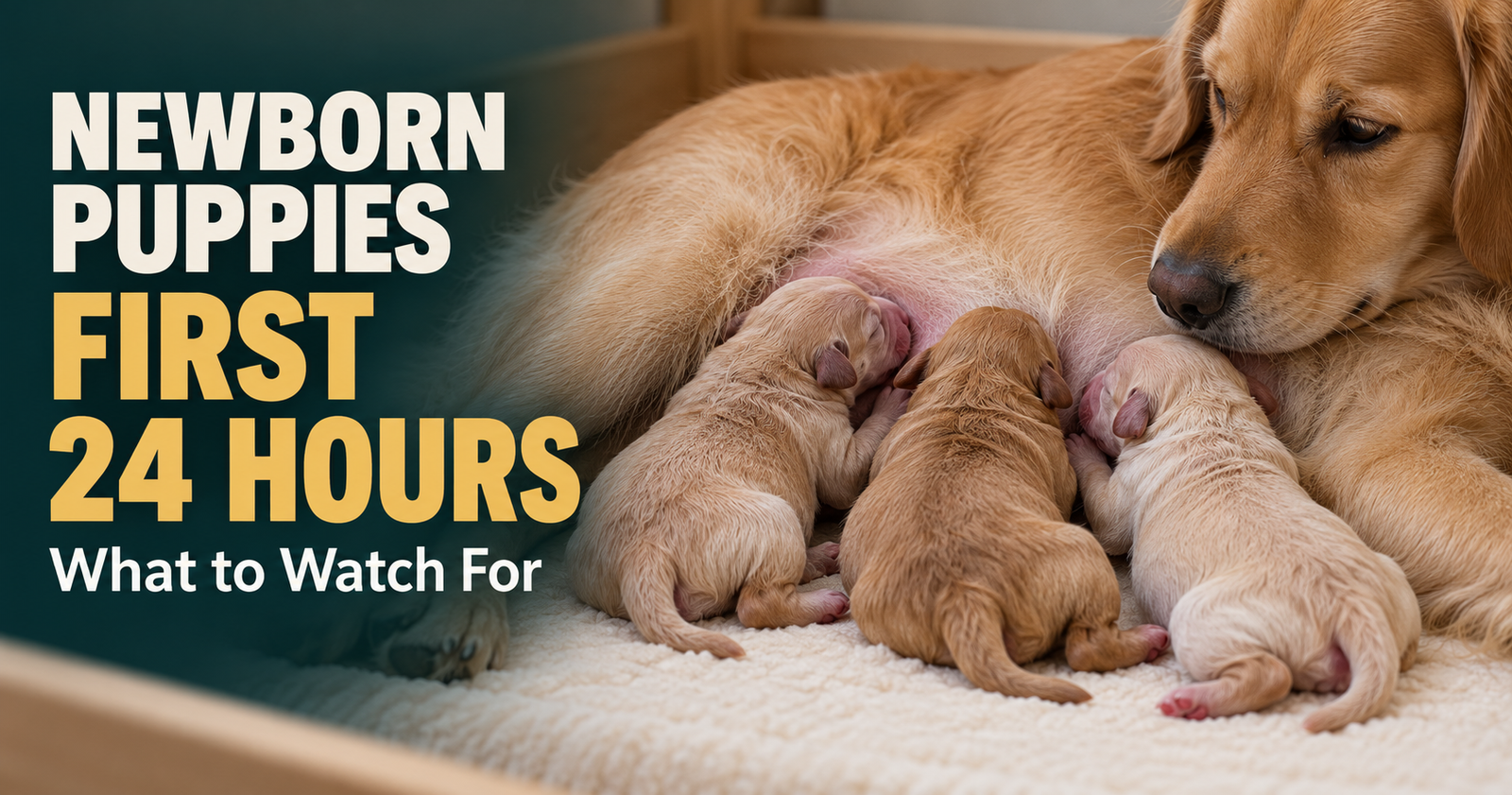
Meeting her nutritional needs supports milk production, but extra food doesn’t fix every cause of inadequate milk supply. If puppies are struggling, assess the mother and litter rather than relying on a larger meal alone. When puppies are struggling during those first hours, newborn puppy nursing checks can help you identify when closer observation or veterinary attention is needed.
Should I switch her food if one puppy isn’t gaining?
Not automatically. One puppy struggling while the rest grow may point to an individual feeding or health problem. Contact your veterinarian and share that puppy’s weight and nursing history before assuming the entire diet needs changing.
Written by Breeder Assistant, sharing practical guidance from a licensed dog breeder with many years of experience and 14 dogs total in a small breeding program.