


Puppies getting enough milk will usually nurse effectively, settle quietly afterward, and gain weight as they grow. No single sign proves everything is fine, but those things together give you a much better picture than simply seeing puppies lying beside their mother.
From my experience, hungry or cold puppies often cry. Warm puppies that have eaten and settle down quietly are usually showing you something good.
I’m a licensed breeder with 14 dogs total and many years of experience. I put a lot of importance on watching each puppy rather than assuming the whole litter is doing equally well.
One puppy can struggle even when its brothers and sisters seem perfectly content.
The Three Signs I’d Put Together
When someone asks whether their puppies are getting enough milk, I’d start with three questions.
Are They Actually Nursing?
Look for a puppy attached to a nipple and sucking rhythmically.
Being underneath mom isn’t the same as getting milk.
Do They Settle Afterward?
A warm puppy that feeds and then sleeps quietly is generally reassuring.
Constant searching, crying, or an inability to settle deserves a closer look.
Are Their Weights Moving in the Right Direction?
Regular weight records help confirm that feeding is supporting growth.
VCA identifies a contented litter and consistent weight gain as useful signs of adequate milk intake.
I wouldn’t use just one of these signs by itself. They’re more useful together.
Quiet Puppies Are Usually a Good Sign
This is something I want first-time breeders to understand without becoming worried about every little sound.
Newborn puppies normally spend much of their time nursing and sleeping.
When they’re warm, have fed, and settle comfortably, you usually don’t need to keep disturbing them to make sure they’re okay.
An Occasional Squeak Is Different From Constant Crying
A puppy may squeak when mom moves, when another puppy bumps it, or while it searches for a nipple.
That doesn’t automatically mean there’s a feeding problem.
Persistent crying is different. Check whether the puppy is hungry, cold, trapped, or uncomfortable.
A Weak Puppy Can Also Be Quiet
Quietness is reassuring when it fits the rest of the picture.
A puppy sleeping after a good feed is different from one that is cold, limp, or unusually difficult to wake.
Don’t wait for crying before helping a puppy that is already weak.
The Royal Kennel Club recommends prompt veterinary advice for weakness, poor feeding, poor growth, or persistent unsettled crying.

Watch a Feeding Before Assuming Mom Has No Milk
If you’re unsure, spend a little time watching quietly.
You don’t need to pull everyone away from mom or keep repositioning a settled litter. When a puppy does need attention, keep brief newborn puppy checks focused on a clear care need rather than disturbing the settled litter.

Pick out the puppy you’re concerned about and watch what actually happens.
Look for a Secure Latch
The puppy should attach and make repeated sucking movements.
Notice whether it keeps slipping off, searching again, or giving up.
A puppy can look busy without feeding effectively.
Notice Who Gets Pushed Away
Some puppies find a good position quickly. Others lose their place repeatedly.
If mom is comfortable with your help, gently position the puppy at an available nipple and watch whether it nurses successfully.
Don’t force its mouth open or push its face against her.
Don’t Set a Stopwatch for Every Puppy
There isn’t one nursing-session length that proves every puppy has had enough.
A long session can still be ineffective.
Watch the feeding, the puppy’s behavior afterward, and its weight trend instead of deciding everything from the number of minutes attached.
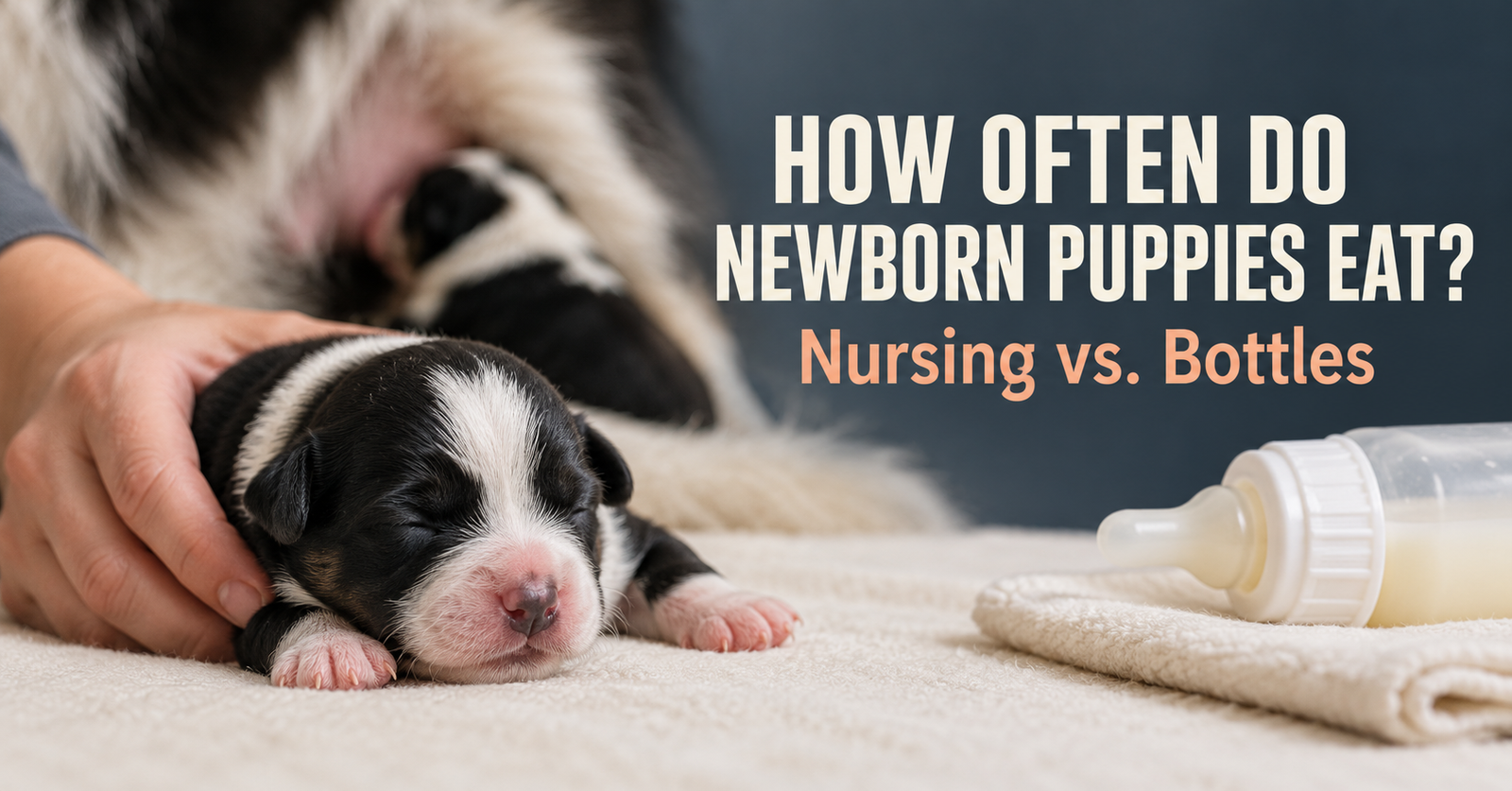
For feeding frequency and overnight care, my guide to how often newborn puppies eat explains what to expect with mom and with bottles.
What Can a Puppy’s Belly Tell You?
A comfortably rounded belly after nursing can be encouraging.
But I wouldn’t treat belly shape as a milk measurement.
Puppies differ in size, and a swollen abdomen doesn’t necessarily mean a puppy has eaten well.
Full Shouldn’t Mean Tight and Uncomfortable
A hard, unusually swollen belly, especially with crying, vomiting, diarrhea, or weakness, needs veterinary advice.
Don’t keep adding milk because the puppy is crying.
Overfeeding and other problems can also cause discomfort.
Compare With the Puppy’s Usual Appearance
Look at that individual puppy before and after feeding.
Has it settled? Is it comfortable? Is it nursing effectively and growing?
Those observations tell you more than trying to make every puppy’s belly look identical.

Weight Records Give You Something You Can Check
You can’t see exactly how much milk a puppy takes from its mother.
That’s where regular weights help.
A record lets you notice when one puppy stops progressing even if the litter still looks content.
Use the Same Identification Every Time
Give each puppy a clear number or description.
Use it consistently on the weight log and feeding notes.
Mixing up two similar puppies can hide the very problem you’re trying to catch.
Watch the Trend

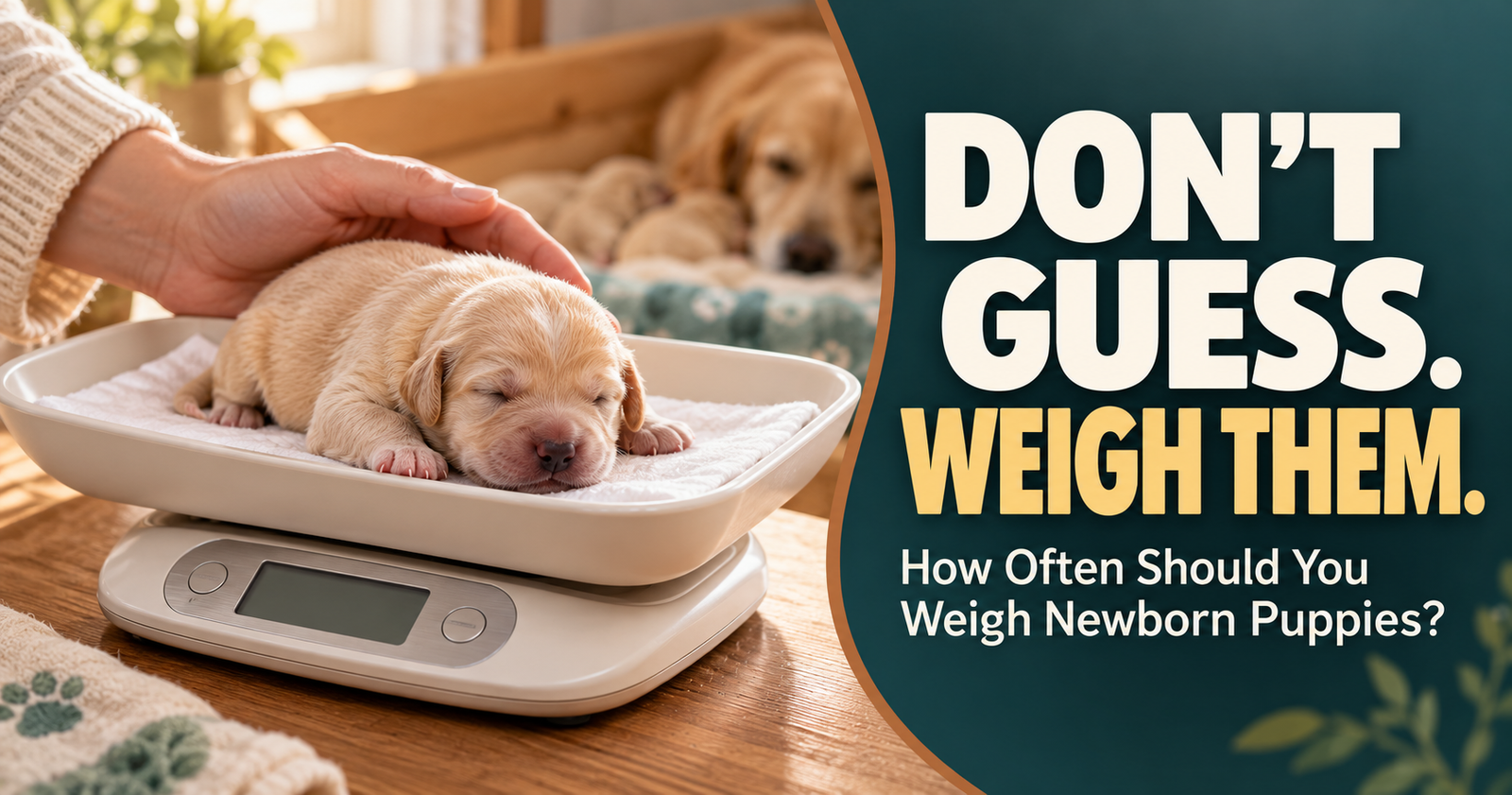
Use a suitable scale and record weights at consistent times. For breeders who need a dedicated tool for this routine, Greater Goods scale for puppy weights can be considered alongside consistent weighing practices.
Don’t make a hungry puppy wait unnecessarily for a perfect measurement. Simply note anything that helps explain the reading.
My newborn puppy weighing guide covers the routine, equipment, and how to compare measurements.
Don’t Wait Through Repeated Poor Readings
If a puppy loses weight or fails to progress, contact your veterinarian promptly.
If it is also weak or refusing milk, don’t wait until the next scheduled weigh-in.
VCA advises veterinary examination as soon as possible for puppies losing weight or failing to gain.
One Puppy Struggling Doesn’t Always Mean Mom Lacks Milk
This distinction matters.
If the rest of the litter is feeding and growing, the struggling puppy may have difficulty accessing a nipple, staying attached, or feeding effectively.
It may also have a health problem.
Help With Access, Then Observe
A warm, active puppy may benefit from a quieter chance to nurse while stronger littermates are settled.
Watch what happens after repositioning it.
Does it attach and suck, or does it keep struggling?
Repeated Trouble Needs an Examination
Weak sucking, milk coming from the nose, or repeated inability to nurse needs veterinary attention.
Possible causes include problems with the puppy itself, such as an abnormality affecting feeding. A bottle isn’t automatically the right answer.
Don’t Dismiss It as “Just the Runt”
Small doesn’t automatically mean unhealthy.
But being small also doesn’t explain away weakness or poor feeding.
Look at the puppy’s own progress rather than expecting it to match the largest littermate.
What if the Whole Litter Seems Hungry?
If several puppies keep crying, searching, and failing to settle, look beyond one puppy.
Check the warmth of their environment and whether mom is lying comfortably for nursing.
Then consider whether she needs an examination.
Make Sure Mom Can Settle
Noise, visitors, other dogs, and repeated handling can leave a mother unsettled.
Give her a quiet space and observe whether she will comfortably lie with the litter.
Merck notes that stressful surroundings can interfere with milk letdown and maternal behavior.
Check Her Comfort and Condition
Painful nursing can make a mother reluctant to let puppies feed.
Look for mammary glands that appear unusually red, swollen, discolored, or painful. Abnormal milk, a mother acting ill, or a sudden decline in the puppies’ growth warrants prompt veterinary attention.
Mastitis can affect the mother and her puppies, and poor puppy growth may be an early clue.
Don’t Start Random Milk-Boosting Treatments
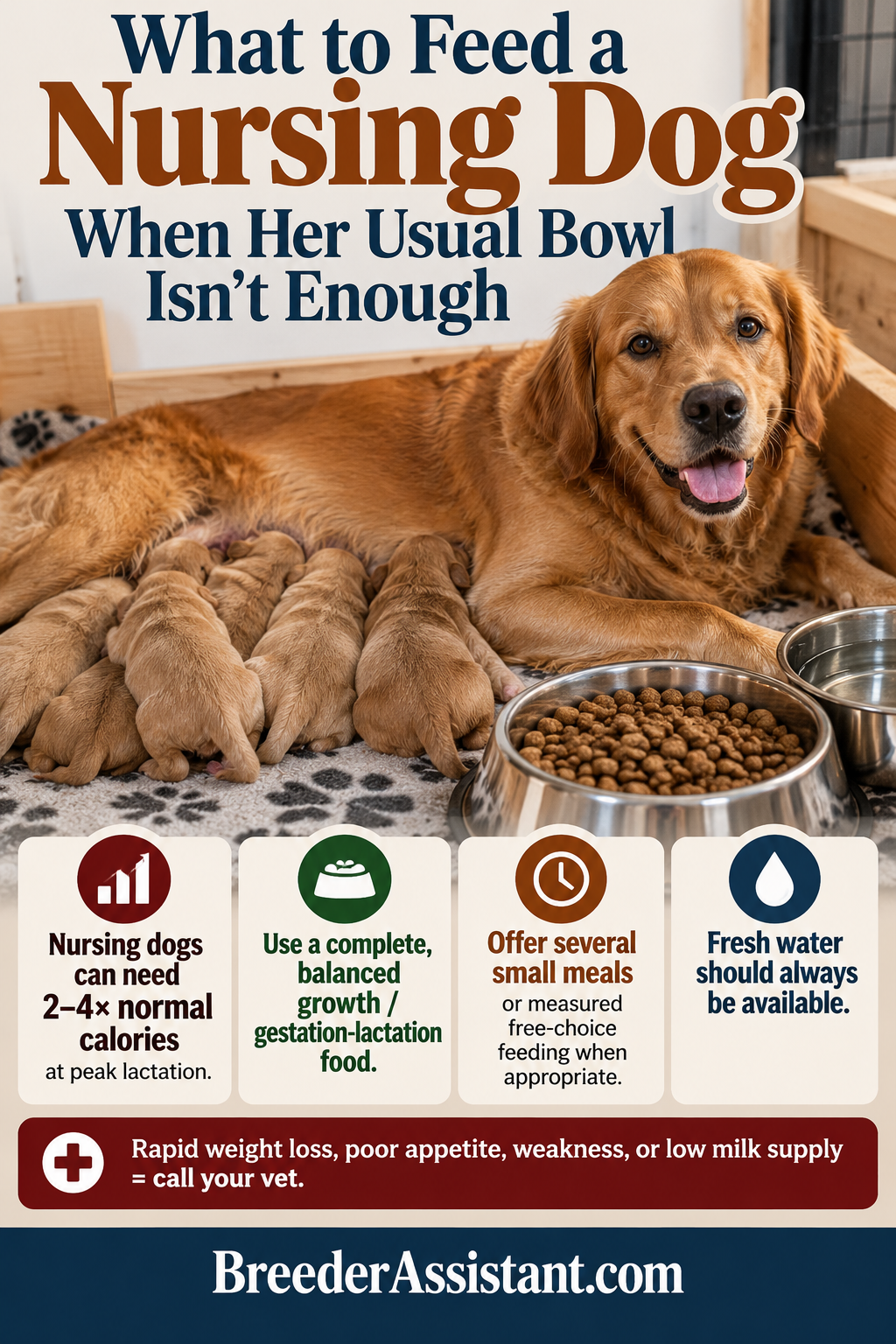
Fresh water and an appropriate complete diet matter.
But don’t assume a supplement, calcium product, or home remedy will fix a nursing problem.
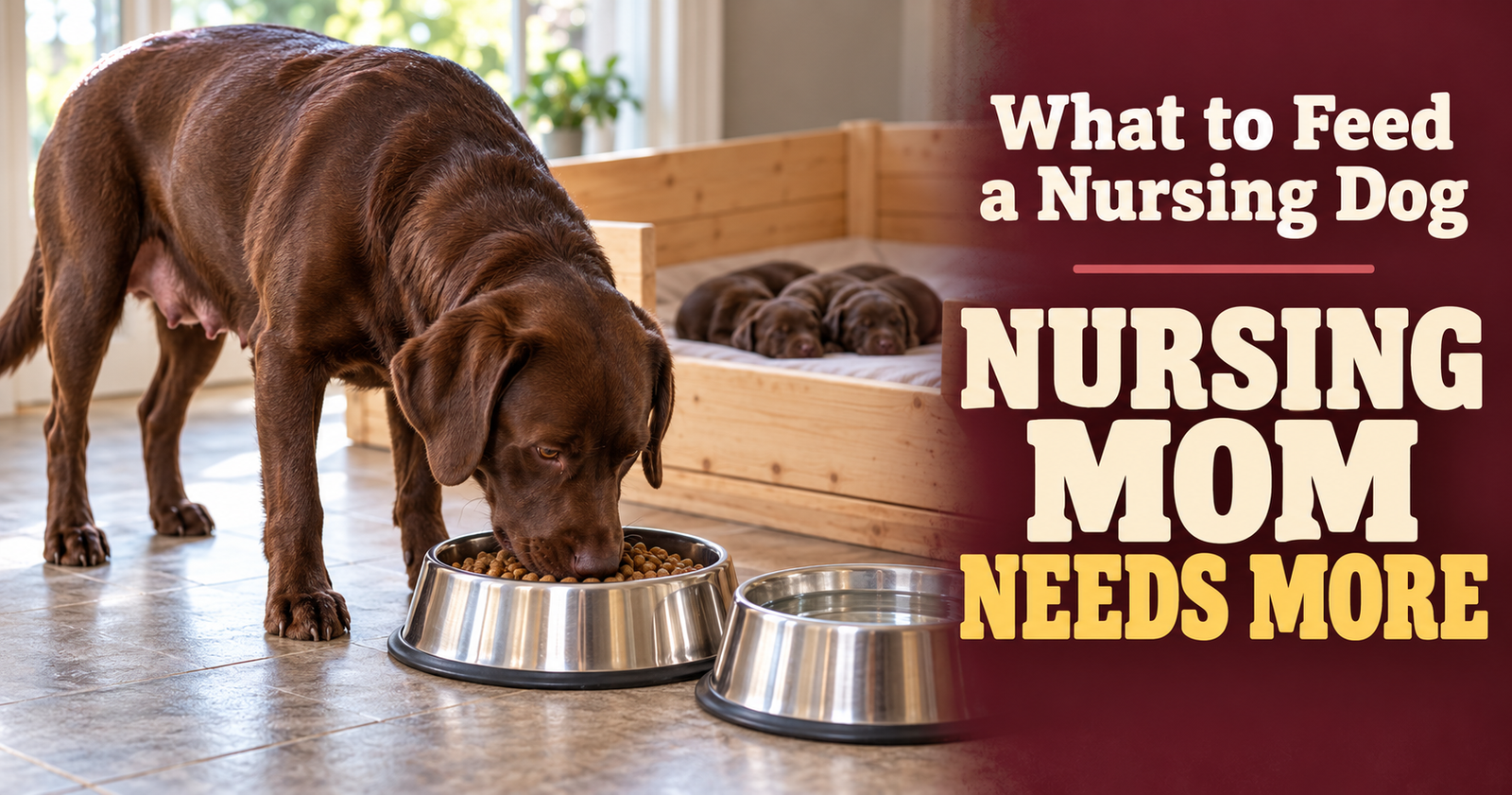
A mother with inadequate milk production needs an assessment for the cause and a feeding plan for her puppies. The mother’s own diet and water intake are part of that picture, as explained in this guide to nutrition for a nursing mother.
Check Warmth Before Adding More Milk
From my experience, warmth needs attention throughout newborn care.
A puppy that gets cold can become weak and stop nursing effectively.
That can look like a feeding problem because it is affecting feeding, but another bottle alone won’t solve it.
Check the Actual Puppy Area
Look for damp bedding, drafts, and a puppy separated from the others.
Measure conditions near puppy level rather than relying on how the room feels to you.
My guide to keeping newborn puppies comfortably warm explains safe heat and the importance of avoiding overheating.

Don’t Force-Feed a Cold, Weak Puppy
Call your veterinarian immediately for guidance.
Hypothermia affects digestion and increases feeding risks. A chilled puppy needs careful warming and assessment before feeding resumes appropriately.

When Does a Puppy Need Supplemental Milk?
Some puppies do need supplementation.
The decision should account for the puppy’s weight, condition, nursing ability, and how much milk it may already be getting.
Supplement to Meet a Need
A puppy receiving some milk from mom won’t necessarily need the same bottle amount as a completely orphaned puppy.
Ask your veterinarian for a plan that fits that puppy.
Avoid adding full bottles to every nursing session without considering total intake.
Use Puppy Milk Replacer
When supplemental feeding is recommended, use a product formulated for puppies.
Follow its preparation instructions and your veterinarian’s guidance on amounts and frequency.
Cow’s milk and human infant formula aren’t equivalent replacements.
Get Help With Technique
Bottle feeding needs an appropriate nipple, controlled flow, and a supported belly-down position.
Never squeeze milk into a struggling puppy’s mouth.
If milk comes from the nose or breathing changes, stop and seek veterinary help. Tube feeding requires veterinary instruction.
Keep Notes That Help You Spot Changes
You don’t need a long report every time the litter nurses.
A few useful details are enough.
Record the Puppy
Use its number or identifying description.
Record What Happened
“Needed help latching” is useful.
“So-and-so checked the puppies” tells you much less about the concern.
Record the Time
Include weights, feeding concerns, and any supplemental amount actually consumed.
That makes it easier to explain a change to your vet or another person sharing care.

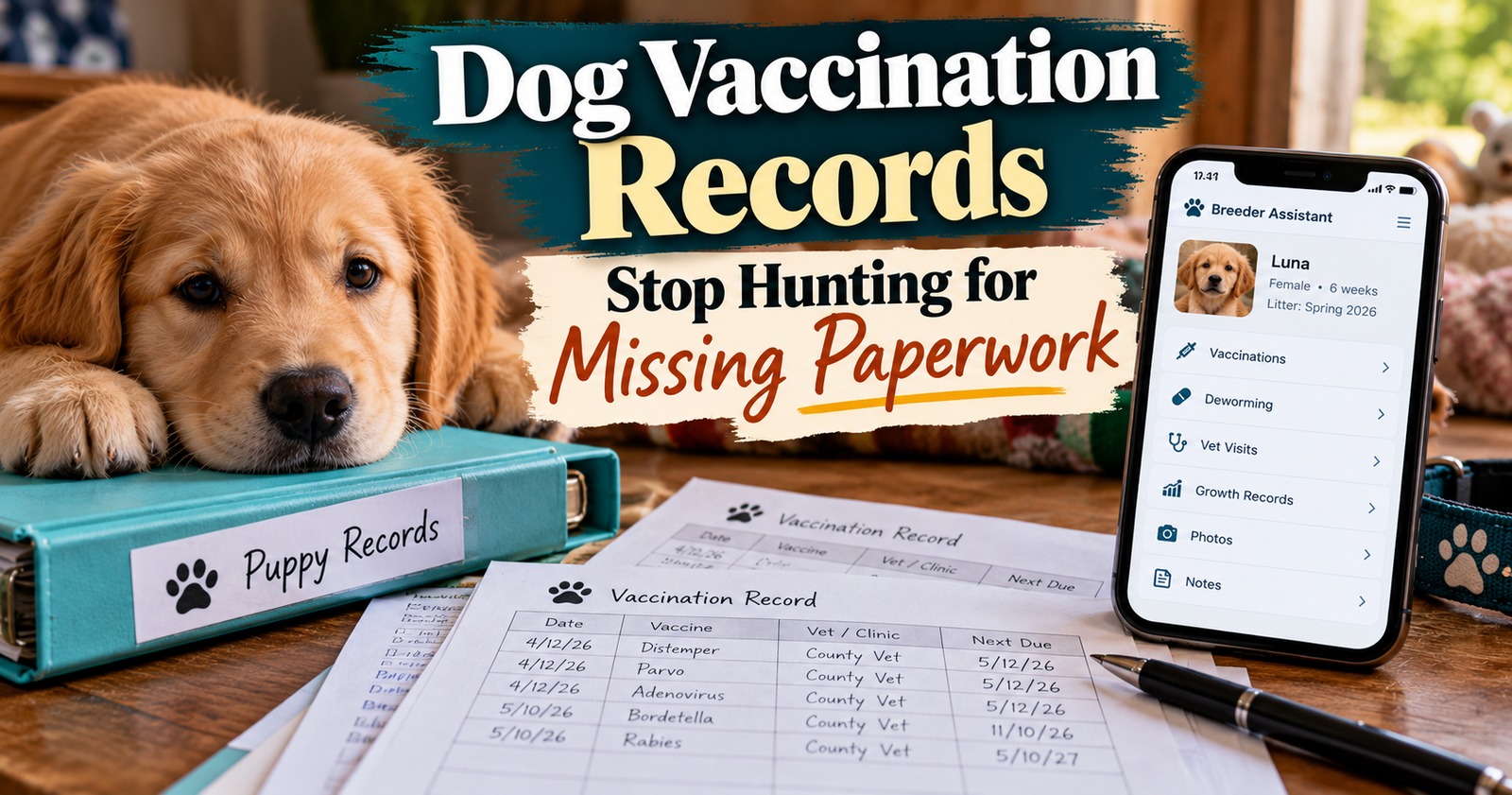
For the wider organization, Breeder Assistant keeps puppy details connected to their litter, with identifying information, notes, and related appointments and reminders. Use the same puppy identity in your separate weight and feeding logs so the records stay easy to follow.
Signs That Shouldn’t Wait
A cold, very weak puppy or one repeatedly unable to nurse needs immediate veterinary guidance.
Trouble breathing, collapse, unresponsiveness, or blue or gray gums or tongue requires emergency care.
Don’t spend hours trying different nipples or repeatedly moving a deteriorating puppy between mom and a bottle.
Tell the clinic the puppy’s age, last successful feed, weight history, and what has changed.
Questions About Puppies Getting Enough Milk
Does crying always mean a puppy is hungry?
No. Hunger and cold are common reasons puppies cry, but discomfort, trapping, overheating, and illness can also cause it. Check the puppy and its surroundings before deciding it needs more milk.
If the puppies are quiet, can I assume they’re full?
Quiet, warm puppies that have nursed and settled are usually reassuring. Confirm that each puppy feeds and progresses appropriately. A puppy that is unusually weak may also be quiet.
Can I judge milk supply by squeezing a nipple?
Getting a drop of milk doesn’t tell you how much the whole litter receives. Difficulty expressing milk by hand doesn’t, by itself, establish that mom has none. The puppies’ nursing, condition, and growth are more useful, with veterinary assessment when concerns arise.
Is the first milk important even if the puppies will get formula?
Yes. Colostrum provides maternal antibodies as well as nourishment. Ordinary milk replacer does not provide equivalent antibody protection. If a newborn cannot nurse promptly after birth, contact your veterinarian for guidance. The timing and practical checks around this early nursing period are covered in my first-day newborn puppy care.

Should I give the smallest puppy a bottle just in case?
Not automatically. Look at its nursing and individual weight trend. A smaller puppy growing appropriately may not need supplementation, while a puppy struggling to feed needs an appropriate plan rather than guesswork.
Written by Breeder Assistant, sharing practical guidance from a licensed dog breeder with many years of experience and 14 dogs total in a small breeding program.